How to Choose the Right Floor Plan for Your Family’s Needs
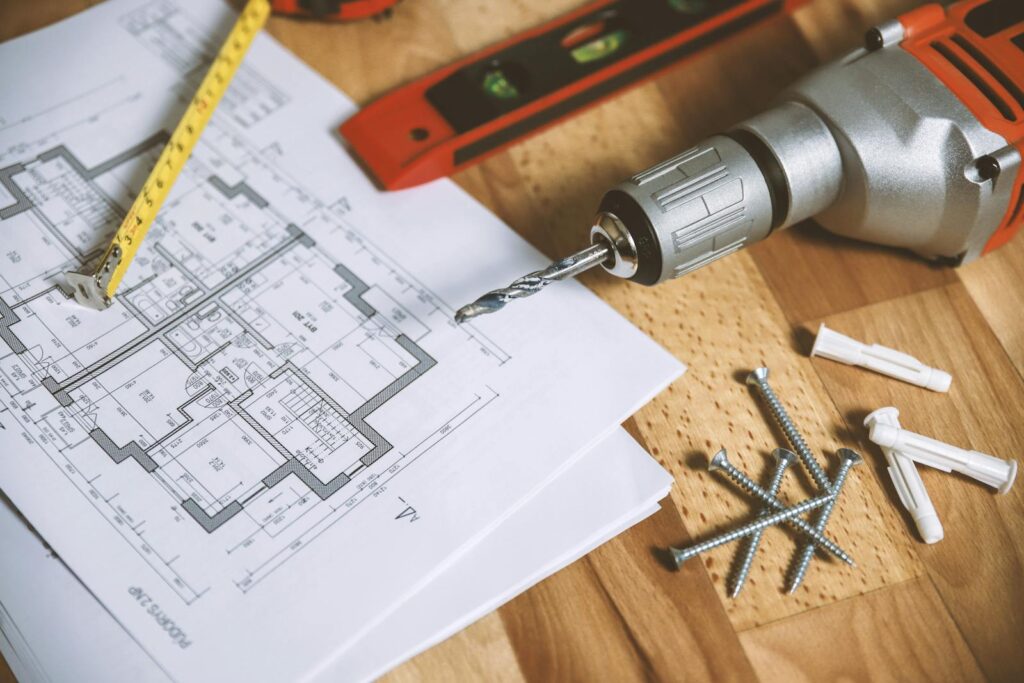
One of the most important decisions in building your own house is the choice of a floor plan. Choosing a floor plan isn’t just picking where the bedrooms go—it’s deciding how your family will move, rest, work, and gather for years. The right plan makes everyday routines effortless; the wrong one forces detours, friction, and expensive regrets. Instead of chasing square footage or trendy layouts, start with how you actually live, then translate that into adjacencies, circulation, and zoning that support your life. This guide walks you through a practical, expert-level process—from lifestyle mapping and site constraints to flow, acoustics, storage, and future-proofing—so you can select (or customize) a plan that fits not just any family, but your family.
Begin With a Lifestyle Audit (Not a Pinterest Board)
Before comparing plans, inventory your daily patterns. Who wakes first, and where do they go? Where do backpacks land, where do you fold laundry, where does the dog sleep, and how often do you host overnight guests? List your must-haves (e.g., a quiet office with a door, a mudroom off the garage, a main-level suite) and deal-breakers (e.g., stairs between kitchen and bedrooms, no sight lines to the backyard). This isn’t decoration; it’s a blueprint for function. When you later weigh two plans with similar room counts, the one aligned to your routines will feel substantially bigger and calmer.
Translate those routines into an adjacency matrix: which spaces should touch (kitchen ↔ pantry ↔ garage for groceries), which need a buffer (bedrooms ↔ laundry), and which should be visually connected but acoustically separate (kitchen ↔ playroom with a pocket door). Flag special storage tied to activities—sports gear, musical instruments, crafting bins—so you’re designing for real life, not hiding clutter behind a bigger mortgage.
Fit the Plan to the Site (Light, Noise, and Setbacks)
Great plans fail on the wrong lot. Study your site’s orientation, sun path, prevailing winds, and views. In most U.S. climates, living spaces love south/east light for warm mornings and mellow afternoons, while garages, baths, and closets can occupy harsher or noisier exposures. Place bedrooms away from busy streets; keep outdoor living downwind of smoke and traffic; leverage a slope for a walk-out lower level or tuck utilities into the quiet side of the house. Check setbacks, easements, height limits, and lot coverage—they can quietly eliminate otherwise-perfect plans.
If you’re choosing the lot and plan together, look for a layout that makes the most of the site’s strengths: an L-shaped or U-shaped plan to carve out a private courtyard, a narrow-lot plan to capture side-yard light, or a split-level on a slope to control grading costs. Let sunlight, views, and municipal rules shape the short list before you fall in love with a footprint that won’t fit.
Decide How Many Floors (And Why)
The one-story vs two-story decision is more than taste. Single-story homes offer safer aging, easier maintenance, and simple HVAC runs, but they consume more foundation and roof per square foot. Two-story homes stack bedrooms and keep a smaller footprint, which can lower sitework and HVAC costs, but daily life includes stairs and acoustic transmission between levels. If you crave a main-level primary suite, a 1.5-story with a few upper bedrooms can be a sweet spot. Think about zoning: kids or guests upstairs; quiet and work spaces buffered away from the hub; noisy activities (laundry, media) not under sleeping rooms.
When budgets are tight, don’t “solve” everything with a third level or sprawling bonus spaces that will be underused. The most livable plans often combine a compact footprint, clean stacking of “wet walls” (kitchens/baths/laundry aligned), and a few flex spaces that morph as life changes.
Right-Size Your Square Footage (Form Follows Function)
More square feet rarely fix a bad layout. Start by allocating space to three buckets: Public (kitchen, dining, living), Private (bedrooms, baths), and Service (entry, mudroom, laundry, mechanical, storage). Aim for a balance that serves your routines rather than bloating hallways. As a loose planning heuristic, many families find public spaces consume the largest slice, private spaces next, and service spaces a focused but meaningful portion. Then test your “wish list” against realistic room sizes and clearances: can you actually walk around the dining table (≈ 36–44 in around chairs), open the fridge without blocking a walkway (42 in recommended), or place a king bed with 24–30 in both sides to make it?
Resist “empty calories”—grand foyers or meandering galleries that don’t add functionality. A plan that reduces corridor length and stacks rooms efficiently will live larger than one with the same square footage spread across twisty circulation.
Nail the Circulation (Your Daily Commute at Home)
Think of circulation as the bloodstream of the house. The best plans minimize cross-traffic and collisions. From the garage entry, the path should naturally flow past a drop zone for keys/backpacks, a powder room, and into the kitchen without cutting through a formal space. Bedrooms shouldn’t require walking through living areas. If you picture a morning—kids to breakfast, one parent to an office, someone starting laundry—do routes overlap or glide? Too many plans force you to walk across the living room to fetch a coat or cross the kitchen work triangle to reach a pantry.
Watch sight lines. Open-concept spaces are great for watchful eyes on kids, but tuck in visual calm—a nib wall, a built-in hutch, or a cased opening—to hide dishes or a messy counter from the front door. Align doors and windows to create daylight corridors that feel intentional, not accidental.
Kitchen First: The True Hub
You’ll spend more waking hours in the kitchen than any other room, so design downstream from it. Prioritize a clear work triangle (sink–range–fridge), functional prep zones, landing space next to cooking surfaces, and a pantry sized to your shopping style (bulk? weekly?). Don’t let an island become a barrier—ensure 42–48 in aisles where multiple people can pass. If you host, consider a scullery or back kitchen to hide mess and small appliances; if you don’t, use that square footage for pantry depth that actually changes daily life.
Connect kitchen to dining with ease: a pass-through or short walkway, not a U-turn. Place outdoor dining just beyond, ideally with a covered transition. The garage-to-kitchen walk with groceries should be short, unobstructed, and through hard flooring, with a mudroom pocket nearby.
Living, Dining, and the Myth of the Great Room
Open-concept great rooms are versatile—but acoustically and visually demanding. Define zones within the openness: a ceiling drop, a beam line, rug placement, or built-ins that subtly separate conversation, media, and dining. Avoid “bowling alleys” where furniture floats with no anchoring walls; if the plan has long, uninterrupted spans, ask how you’ll handle sound and furnishings. Conversely, if you prefer a separate den or library, ensure that room isn’t stranded: locate it where someone can work or read without feeling exiled.
When ceilings soar, add acoustic absorption (textiles, bookshelves, panels) or use partial walls to tame echo. Big volumes impress on day one; comfort wins every other day.
Bedrooms and Baths: Privacy, Proximity, and Future Use
Set the primary suite where light, noise, and privacy support sleep—often rear-corner with limited street exposure. Decide if you prefer a split-bedroom plan (primary separated from secondary bedrooms) for privacy, or clustered rooms for young kids. Stack bathrooms to share plumbing runs. For kids, a Jack-and-Jill can save money, but include separate vanities and a private water closet to prevent morning traffic jams. A small loft outside bedrooms can absorb noise and homework without dragging clutter into the main level.
Design the bathroom hierarchy: one powder near public areas for guests, kid/secondary baths close to bedrooms, and the primary bath sized for maneuvering rather than show. A curbless shower, grab bar blocking, and 36 in doors future-proof with little immediate cost.
Storage and “Back of House” Spaces (Your Sanity Lives Here)
The secret to a plan that stays tidy is generous, purpose-built storage. A true mudroom needs closed cubbies for visual calm, hooks at kid height, bench seating, and shoe/gear storage. A laundry with counter space (or vertical tall cabinet for brooms), a sink, and room for hampers beats oversized machines crammed into a hall closet. Size your pantry for small appliances you actually use and bulk goods you actually buy. Add linen storage near bedrooms, and a coat closet near the entry—even in warm climates, guests bring bags and gear.
Consider a detached or oversized garage bay or shed if you have bikes, kayaks, seasonal décor, or tools. It’s cheaper to store big/dirty items in semi-conditioned or unconditioned spaces than to carve heated square footage later.
Flex Rooms: Adaptability Without Chaos
A flex room is only useful if it has proximity and privacy. A labeled “flex” off the foyer with glass doors might be a great office today and nursery tomorrow—but only if it has quiet and nearby bath access. A loft can flex from play zone to teen hangout to exercise, but add a door or half-wall so noise doesn’t flood the house. Think dual-purpose furniture (murphy bed + desk) and prewired lighting/data so the room changes without electricians.
Avoid overcommitting with hyper-specific spaces you’ll outgrow (e.g., a built-in stage or permanent climbing wall in prime square footage). Create infrastructure—floor outlets, reinforced walls, extra circuits—so rooms can transform gracefully.
Home Office Reality (Acoustics, Daylight, and Doors)
If anyone will work from home, prioritize an office with a door, good daylight (east or north light reduces glare), and distance from the kitchen and play zones. Plan for acoustic separation (solid-core door, weatherstripping, rug) and network infrastructure (ethernet runs, power for UPS). If two people work remotely, consider two small offices instead of one large one; privacy trumps size when calls overlap. If office space must be a bedroom, ensure a closet and egress window so it counts on the appraiser’s list later.
Indoor–Outdoor Connection (And Why It Changes How You Live)
Link the life of your home to gracious outdoor rooms. A covered patio off the kitchen/dining extends entertaining and gives kids a place to spill out. Place windows to frame views of play areas; add sight lines from sink or island to yard if supervising is important. Consider sun control—roof overhangs, pergolas, or deciduous trees—to make outdoor areas usable across seasons. If climate allows, a three-season room or screened porch can act like a bonus living room at a fraction of conditioned cost.
Don’t forget service access outdoors: a hose bib near gardening zones, a small trash enclosure accessible from the kitchen yet hidden from view, and a practical route for pets to a mudroom sink.
Sound, Smell, and Light (Designing for Sensory Comfort)
Place laundry, powder room, and mechanical away from bedrooms and living areas—or buffer them with closets. In open plans, control cooking aromas with a vented range hood and a scullery or pantry door that actually closes. Reserve the brightest positions for spaces where morning light lifts mood (kitchen, breakfast nook), and keep media or sleep spaces darker. Add clerestory or transom windows where privacy meets a desire for daylight. Good lighting is layered: ambient (ceiling), task (under-cabinet, reading), and accent (sconces)—plan junction boxes and switch legs now, not after drywall.
Cost-Aware Design: Build Smart, Not Just Big
The cheapest square foot you’ll ever “add” is the one you don’t build. Complexity—corners, bump-outs, complex rooflines, long spans—costs more than compact, well-proportioned forms. Stack floors and wet walls to shorten mechanical runs. Keep a favorable perimeter-to-area ratio (fewer exterior walls per square foot) to reduce siding, insulation, and air-sealing costs. When trimming, preserve function: it’s better to shave a foot off a seldom-used corridor than to starve the pantry that keeps daily clutter in check.
If you must prioritize, spend on envelope (insulation, windows, air sealing) and mechanicals (right-sized HVAC). Those choices deliver comfort and lower operating costs for decades, unlike overspending on a volume ceiling you’ll later struggle to heat and cool.
Code, HOA, and Resale: The Practical Realities
Make peace with code and HOA early. Egress windows, stair geometry, guard heights, fire separation from garages, and bedroom egress rules can subtly reshape plans. HOAs may dictate roof pitch, materials, and garage placement; if you hate front-loaded garages but your neighborhood expects them, weigh the trade upfront rather than forcing a waiver. For resale, three-bed + two-bath minimums remain a safe baseline in most markets. A genuine laundry room, primary suite on the main (in many regions), and a workable entry (with storage) are features buyers expect, not luxuries.
Design for your life—but avoid idiosyncrasies that only you will love and everyone else will pay to undo (e.g., eliminating dining entirely when your market values it, or shrinking secondary bedrooms below functional furniture clearances).
Safety and Accessibility (Design You’ll Never Regret)
Baking in Universal Design costs little now and saves a lot later. Target no-step entries at one door, 36 in hallways/doors on the main level, blocking in bathroom walls for future grab bars, a curbless shower, and at least one main-level bedroom adjacent to a full bath. Stairs with proper lighting, handrails both sides, and visible leading edges reduce falls. If you have toddlers, think lines of sight to play areas, lockable storage for hazards, and the ability to gate stair openings without elaborate carpentry.
Mechanical, Electrical, and Plumbing (Invisible but Crucial)
Plans that look clean on paper can be nightmares for MEP if ducts and chases have nowhere to run. Ask where the mechanical room lives and how air moves through the house. Keep water heater and laundry near each other to shorten hot water runs; stack bathrooms to condense plumbing. Prewire for internet, speakers, and exterior cameras; run empty conduit for future needs (EV charger, solar). A small equipment closet can hide routers, hubs, and power strips so every device doesn’t land on your kitchen counter.
How to Read Plans Like a Pro (And Avoid Model-Home Mirages)
Plan books and model homes can mislead. Always check dimensions; wide-angle photography makes rooms feel bigger. Tape out room sizes in your current space or on a driveway to feel true scale. Place your actual furniture on the plan and verify clearances—sofa + side table + walkway space—before you commit. Confirm door swings, window heights, switch locations, and appliance clearances (dishwasher and oven doors open into aisles). If the kitchen island seats four on paper, measure: per stool, you’ll want about 24 in of linear space for casual seating.
Finally, imagine sound and smell in motion: Where will blender noise travel? Will a late-night shower share a wall with someone’s headboard? Good plans solve these little frictions quietly.
Customize a Stock Plan or Go Custom? (A Decision Framework)
Stock plans are cost-effective if your changes are light: mirror image, adjust windows, stretch a wall, add a mudroom. If you need structural surgery—moving stairs, re-siting kitchens, adding a third garage bay in a way that scrambles load paths—you’re in custom territory anyway. A smart compromise is to start with a close stock plan, then work with a designer to redline changes for your site and life. Always confirm with your builder that modifications are feasible and priced before you fall in love on paper.
If your site is unusual or you need multigenerational living with separate entry, kitchenette, or accessible specs, custom often pays for itself by eliminating compromises that would cost more in change orders later.
A Simple, Bulletproof Selection Process
1) Write two lists. “We always…” and “We never…” (We always enter from the garage with groceries; we never eat in a formal dining room.) Translate to adjacencies.
2) Map the day. Draw paths for school mornings, dinner prep, bedtime, work calls. Note collisions.
3) Set guardrails. Target square footage, number of beds/baths, and one must-have per adult and per kid. Protect storage and service spaces from cuts.
4) Shortlist by site fit. Eliminate any plan that fights your lot’s orientation, setbacks, or slope.
5) Test scale. Tape out rooms or use furniture cutouts; verify clearances and acoustics.
6) Sanity check MEP. Confirm stacked wet walls, accessible mechanical space, and short duct runs.
7) Future-proof. Identify one flex room and one universal-design feature you’ll be grateful for later.
8) Price complexity. Favor compact footprints, simple rooflines, and stacked volumes; spend saved dollars on envelope and kitchen function.
9) Get builder input early. Your GC can flag tricky spans, structural oddities, or costs hidden in pretty elevations.
10) Sleep on it. The plan you still love after a week wins; the one you need to “explain away” will frustrate you in real life.
Common Mistakes (And Easy Fixes)
Mistake: Choosing by bedroom count alone.
Fix: Evaluate adjacencies and flow; three better-placed bedrooms beat four awkward ones.
Mistake: Underestimating service spaces.
Fix: Protect mudroom, laundry, and pantry; they make the rest of the house work.
Mistake: Ignoring acoustics.
Fix: Separate bedrooms from laundry/mechanical; add doors where needed in open plans.
Mistake: Over-complicating the footprint.
Fix: Compact forms build cheaper and perform better; use built-ins and daylight for interest.
Mistake: Designing for a rare event.
Fix: If a formal dining room gets used twice a year, make it convertible—or invest in a larger everyday space.
Quick Room-by-Room Guidelines (Flexible, Not Rigid)
Entry: coat storage + bench; visual shield from direct view of kitchen mess.
Kitchen: 42–48 in aisles; landing zones beside range and fridge; pantry depth for real bins.
Dining: allow 36–44 in around chairs; consider built-in banquette for tight spaces.
Living: seating for household + 2–3 guests; multiple lamp outlets; TV not the only focal point.
Primary suite: quiet corner; bath with natural light; curbless shower prep; linen storage.
Kids’ rooms: closets that actually fit hangers + bins; shared bath with private WC.
Laundry: counter, sink, vertical storage; near bedrooms or mudroom depending on habits.
Office: door, east/north light, ethernet; away from kitchen noise.
Mudroom: closed storage, hooks, bench, durable floor, pet station if needed.
Outdoor: covered transition, hose bibs, power, sight lines to play areas.
The Bottom Line
The “right” floor plan isn’t the flashiest rendering or the biggest number on a real-estate sheet—it’s the one that turns your everyday into an easy, repeatable rhythm. Start with how you live, then let site, flow, storage, and future flexibility drive the layout. Favor compact, efficient forms over gratuitous square footage. Spend on envelope, mechanicals, and kitchen function before chasing showy volumes. Protect your back-of-house spaces, insist on acoustic separation, and design indoor–outdoor transitions you’ll actually use.
Do that, and the plan you choose will feel like it was made for you—because it was. Not by accident or fashion, but by a clear understanding of your family’s needs translated into rooms, routes, and light that quietly serve them every single day.