How to Design Your Dream Kitchen Without Blowing the Build Budget
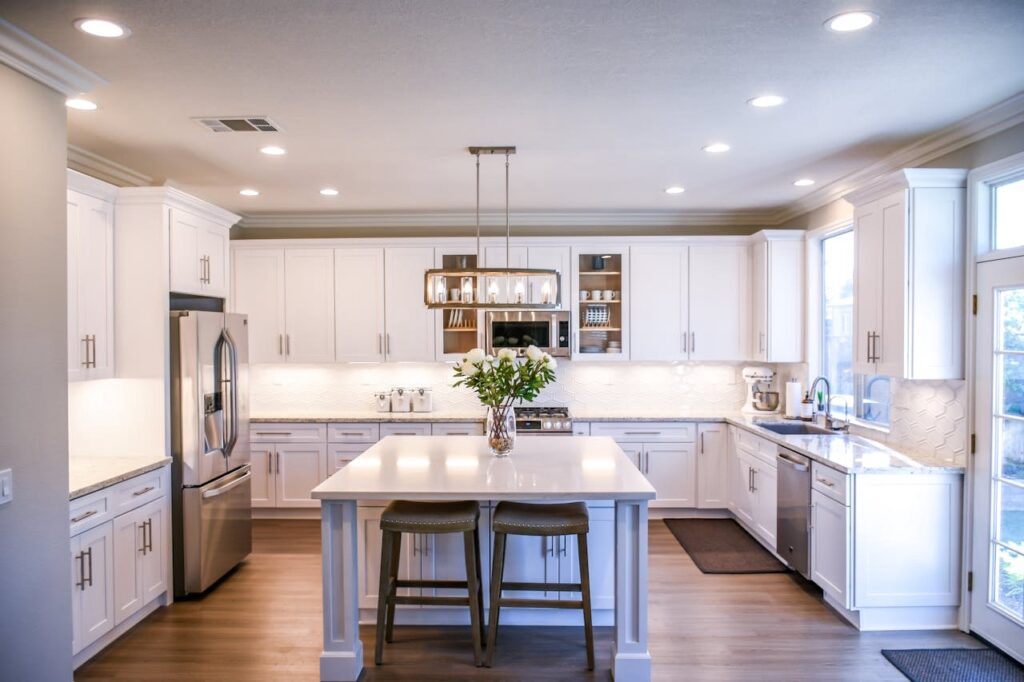
You’ve made the leap: you’re building your own home. It’s a bold and exciting journey, and now you’re working with an architect to shape a plan that reflects both your financial boundaries and your personal vision. At the center of that vision is the kitchen—the space where daily life unfolds.
A thoughtfully designed kitchen begins with purpose. Before any materials are chosen, the architect considers how the space will be used: who will be cooking, how often, and what kinds of activities will take place there. These insights inform decisions about layout, circulation, storage, appliances, lighting, and ventilation. Every element is selected to support ease and longevity.
When the design responds to real-life needs, beauty follows naturally. The result is a kitchen that feels intuitive and inviting—from the first quiet cup of coffee to the final dish of the evening. It’s a space that doesn’t just serve a function; it elevates the experience of living.
This guide distills proven field lessons—what builders measure, specify, and sequence—so you can design with confidence. You’ll learn how to set the brief and budget, choose a layout that fits your home, dial in ergonomic dimensions, plan storage that eliminates clutter, and pick materials and systems that stand up to real life. We’ll also cover ventilation that actually captures smoke, lighting that flatters food and faces, and a sensible construction sequence that avoids costly rework. Use these tips to turn inspiration into a kitchen that performs.
Start With a Builder’s Brief (Not a Mood Board)
Before layout sketches, take ten honest minutes to define how your kitchen should serve you. List the cooks in your home, dietary habits, and top activities—weekday speed, weekend baking, entertaining, kids’ snacks, coffee rituals. The more specific your brief, the tighter your decision filters become. If you roast and bake often, you’ll want ample landing zones near ovens and deep drawers for sheet pans. If you host, you’ll need a beverage station and circulation that keeps guests out of the hot zone.
Translate that brief into measurable requirements. Note appliance sizes (36″ range or 30″ cooktop + wall oven, 24″ vs 30″ dishwasher, panel-ready fridge), preferred sink configuration, seating count, and whether you want a walk-in or cabinet pantry. Those choices drive the room’s skeleton: wall lengths, island size, and aisle widths. Only then should you chase aesthetics. Builders know that a calm, functional plan makes any style look good—and keeps your budget focused where it will matter daily.
Budget Like a Pro (Where the Money Really Goes)
A realistic budget breaks the kitchen into major buckets: cabinetry (25–35%), appliances (15–25%), countertops (10–15%), plumbing & fixtures (5–10%), electrical & lighting (5–10%), tile & flooring (5–10%), and labor/contingency (15–25%). These ranges shift by market, but the pattern holds: cabinets and appliances dominate. Spend on things you touch and see every day: drawer hardware, hinges, soft-close slides, durable counters, and quiet ventilation. Save by standardizing cabinet sizes, minimizing custom oddities, and using a single material palette with thoughtful details.
Build a small contingency (10–15%) for surprises and upgrades you’ll want once cabinets arrive. Price long-lead items early—custom cabinets, appliances, specialty hoods—and place orders in time to avoid rush fees. Professional builders treat the calendar like a budget line: delays compound costs. A clean procurement plan is the cheapest way to “buy” a more expensive-looking kitchen without paying premiums later.
Choose a Layout That Matches Your Life
Work Triangle vs. Work Zones
The classic work triangle (sink–cooktop–fridge) still helps, but modern kitchens perform better when organized into zones: prep, cooking, cleaning, cold/dry storage, and serving/beverage. Builders cluster tools and storage to minimize cross-traffic. Keep knives, cutting boards, and the trash near the sink for efficient prep. Place pots, pans, and spices near the cooktop. Store everyday dishes and glasses near the dishwasher for fast unload. A small beverage zone (fridge drawer, sink access, counter, and mugs) lets guests help themselves without walking into the cook’s back.
Islands, Peninsulas, and Corridor Runs
If your space allows, an island can separate prep and guest flows, add seating, and create meaningful storage. Keep it purposeful: a prep sink and trash pull-out on the working side, seating and open legroom on the social side. In tighter homes, a peninsula can deliver similar benefits without adding pathways all around. For long rooms, a galley with generous aisles and continuous countertops can be a joy to cook in—especially when paired with a full-height pantry wall for visual rhythm and capacity.
Aisle Widths and Circulation
Plan 42″ work aisles for one primary cook and 48″ if two cooks will work shoulder-to-shoulder. Keep general walkways at 36″ minimum, larger near seating and doorways. Avoid dead-end corners that trap people in the cooking zone. Builders sketch “people flow” arrows on plans; if arrows collide at the oven or fridge, widen or move something before it becomes a daily pain point.
Get the Dimensions Right (Ergonomics You’ll Feel Daily)
Clearances That Just Work
Aim for 15″ of landing space on at least one side of a cooktop and 12–15″ on the pull side of a fridge. Keep dishwasher within an easy arm’s reach of the sink (ideally right next to it), with 21″ minimum standing space in front when open. If placing wall ovens, provide a landing zone within a step. These numbers are not style; they’re comfort and safety, refined by decades of field use.
Counters, Seating, and Overhangs
Standard counter height is about 36″. For seating, allow 24″ per stool center-to-center, with 12″ knee clearance at 36″-high counters (and 15″ at 42″ bars). Overhangs larger than these need corbels or concealed supports. Deep drawers below seating can steal knee room; builders either shift them away from seated positions or use shallower storage there.
Tall, Short, and Universal Design
Not everyone in your home is the same height. Builders tune ergonomics by mixing drawer heights (3″ cutlery, 8–10″ utensils, 12″ pots), placing microwave drawers at waist height, and keeping heavy everyday items between knee and shoulder. If aging-in-place matters, add pull-outs, D-shape pulls, lever faucets, and at least one no-step path with 34″–36″ clear openings.
Storage That Solves Clutter (Not Creates It)
Drawers Beat Doors
Professionals specify drawer bases over doors with shelves because drawers pull items out to you. Use deep drawers for pots and small appliances; medium for bowls, containers, and dish stacks; shallow for utensils. Add vertical tray dividers near ovens for sheets and cutting boards. A few well-placed pull-outs (trash/recycling/compost, spice, oil) eliminate the “black hole” effect in base cabinets.
Corners and Tall Storage
Corners can be functional if you choose the right hardware. LeMans trays, blind-corner pull-outs, or a classic lazy Susan beat a dark void. For tall storage, a walk-in pantry wins for bulk goods and visual calm; if space is tight, a cabinet pantry with roll-outs and lighting can match capacity in fewer square feet. Consider a butler’s pantry or back-kitchen if you entertain—a place for small appliances, trays, and mess that doesn’t spill into the show kitchen.
Small but Mighty Add-Ons
An appliance garage hides mixers and toasters on dedicated outlets. Toe-kick drawers stash baking sheets or linens. Knife blocks integrated into drawers protect blades and fingers. Charging drawers keep cords off counters. Builders leave scribe space at walls and ceiling to fit cabinets perfectly—small planning that yields crisp, custom-looking installs without custom pricing.
Appliances: Choose for Performance and Fit
Cooking: Gas, Electric, or Induction
Modern induction is fast, safe, and efficient, with precise control and a cooler kitchen. If you choose gas, size your ventilation to match BTUs and plan for make-up air where required. Decide early between a single range and a cooktop + wall oven combo; the latter gives flexible placement and ergonomic oven heights. A speed oven or steam oven can replace a microwave and add daily utility if you actually use those modes.
Refrigeration and Dishwashing
Panel-ready built-in units integrate seamlessly but demand exact rough openings and early orders. Quality freestanding fridges can look tailored with side panels and a valance. For dishwashers, quiet models under 45 dBA make open-plan living sane. If your household runs two loads daily, consider two dishwashers or one full-size plus a drawer model in the bar or prep zone.
Power, Venting, and Specs Binder
Every appliance wants its own dedicated circuit and exact clearances. Builders keep a specs binder (or shared drive) with cut sheets for every model—the cabinet shop, electrician, plumber, and countertop fabricator will all ask. Confirm vent collar sizes, electrical locations, and door swings on plan—fixing them after cabinets arrive is where budgets go to die.
Ventilation and Indoor Air Quality (The Unsexy MVP)
Hood Sizing and Capture
A beautiful kitchen that smells like last night’s fish is a miss. Choose a hood that covers or slightly overhangs your cooktop width, with baffle filters and a deep capture area. For wall installations, 600–900 CFM handles most serious home cooking; island hoods often need more due to cross-breezes and lack of a back wall. More CFM isn’t always better: capture efficiency and quiet ducting matter as much as raw numbers.
Make-Up Air and Ducting
Many jurisdictions require make-up air once you exceed a threshold (often around 400 CFM; check local code). Passive inlets can whistle and chill; a tempered, motorized make-up air system tied to the hood switch is civilized. Keep duct runs short and straight with smooth metal, correct diameter, and sealed joints. Remote (in-line or rooftop) blowers can cut sone levels dramatically.
Don’t Forget Grease and Safety
Baffle filters go in the dishwasher; mesh filters don’t. Plan a fire extinguisher within reach but away from the open flame zone, and use anti-tip brackets on ranges. Good ventilation isn’t a luxury; it protects cabinets, paint, lungs, and relationships.
Lighting That Flatters Food and Faces
Layered Lighting Plan
Great kitchens use ambient, task, and accent lighting. Ambient can be can-free low-profile downlights or clean ceiling fixtures. Under-cabinet LEDs handle task lighting; choose high-CRI (90+) at 2700–3000K to make food look delicious and skin tones warm. Accent lighting in glass uppers, toe-kick strips, or a statement pendant set completes the mood.
Layout and Glare Control
Place downlights to flank counters, not directly over cabinet faces where your head casts shadows. Keep pendants proportionate: typically 2–3 fixtures over an island, spaced evenly with 24–30″ between globe edges and 30–36″ above the surface. Dim everything in zones so late-night tea doesn’t feel like an operating room.
Under-Cabinet Details
Use channel LEDs with diffusers for even light; dotty strips cheapen the effect. Hardwire to a switch (not just plug-ins) and hide drivers in accessible but invisible spots. Warm the color temperature slightly for evening (smart controls help), and avoid blue-heavy light that fights your finishes.
Surfaces and Finishes: Beauty That Endures
Countertops
Quartz is the reliable workhorse—stain-resistant and consistent. Sintered/porcelain slabs deliver stunning marble looks with heat and UV resistance; they demand a skilled fabricator. Natural stone is timeless; choose durable granites or treat softer marbles honestly (accept patina) or use them in low-risk zones like bars and powder vanities. For edges, eased or small radius holds up best; a mitered waterfall on the island looks luxe when your budget allows.
Backsplash and Walls
Large-format porcelain or glazed ceramic in simple patterns keeps cleanup easy. If you love mosaics, use them as a feature panel where splatter is light. Epoxy or high-performance grouts resist staining. Bring slab up the wall for a seamless moment behind the range; just confirm strapping and blocking for heavy panels.
Flooring
Engineered wood warms open plans; pick matte finishes that hide scuffs. Quality LVP handles mudrooms and basements well; choose realistic textures and beveled edges. In hardworking zones, porcelain tile is bulletproof—just pair with anti-fatigue mats where you stand longest. Continuity across the main level often reads more expensive than stitching multiple materials.
Sinks, Faucets, and Water Planning
Main, Prep, and Specialty Sinks
A single-bowl main sink simplifies big-pan washing; pair it with a grid to protect the base. If space allows, a prep sink on the island keeps traffic off the main sink while cooking. Drain boards, built-in colanders, and corner sinks are niche solutions; use them only if your brief needs them. Depth around 9–10″ balances splash control with ergonomic reach.
Faucets, Filtration, and Hot Water
A high-arc pull-down faucet with dual spray covers most needs. If you drink lots of tea or sanitize bottles, consider a hot water dispenser—but ensure child-safe locks. Plan filtered water taps or a RO system with a place for cartridges and a bypass for your fridge. A recirculation loop or on-demand recirc pump kills the wait for hot water at the sink; builders rough this early to avoid regrets.
Drainage and Garbage Strategy
Locate the trash/recycling/compost pull-out at the main prep zone, not on the other side of the kitchen. Keep the dishwasher on the same side of the sink as the trash to avoid dripping trails. If using a disposer, size the air gap or high loop as required and confirm your local code stance.
Electrical Planning and Smart Provisions
Outlets, Circuits, and Future-Proofing
Countertop GFCI/AFCI protection is standard; outlet spacing and placement vary by code—plan plenty and coordinate with backsplash tile layouts so they don’t land in grout lines. Add pop-up outlets in islands where wall access doesn’t exist. Give major appliances dedicated circuits and consider a spare for a future steam oven or beverage fridge. Even if you’re not going “smart,” run a couple of low-voltage conduits for future tech.
Under-Cabinet and In-Drawer Power
Mount plugmold or under-cab outlets to keep backsplashes clean, but verify appliance cords reach comfortably. Charging drawers centralize devices and minimize cord mess on counters. For coffee stations and mixers, place outlets at appliance garage height and on their own circuits if loads are heavy.
Safety and Code Notes
Local electrical and mechanical codes change; this guide prioritizes best practices, but your electrician and inspector have the last word. Good builders invite them into the design conversation early—your project goes faster when everyone’s aligned.
The Island and Seating: Heart of the Action
Size, Shape, and Purpose
Not every kitchen needs a runway-length island. Size it to maintain aisles and to do a few things exceptionally well: prep, seating, or both. If you cook often, keep the island’s clean side for guests and the work side for sinks and tools. Consider a waterfall end where traffic grazes the corner; it protects edges and elevates the look.
Knee Space and Stools
Allocate 24″ per stool and the proper knee clearance (12–15″ depending on height). Don’t cram five stools where three belong—comfort trumps count. If the island is all drawers, step back 3–4″ behind the drawer box to preserve knees at seating. Builders often center pendants to the seating zone rather than the island’s geometric center to light faces, not surfaces.
Under-Island Storage
Deep drawers handle mixing bowls and small appliances. A flip-side niche for cookbooks or serving platters keeps the “guest” view tidy. If you must place a cooktop on the island, choose strong downdraft only as a last resort; a ceiling cassette or island hood with ample capture works better in real cooking.
Pantry and Secondary Spaces
Walk-In, Cabinet, or Butler’s Pantry
A walk-in pantry is the cheapest square footage in a kitchen—open shelves, good light, and a countertop for overflow. A cabinet pantry with roll-outs can duplicate capacity where walls won’t allow a closet. A butler’s pantry between kitchen and dining hides staging mess, barware, and trays; if you entertain, it’s a sanity saver.
Beverage and Coffee Stations
Put a beverage center at the room edge: undercounter fridge, ice, cups, and a water line for an espresso machine. Builders run a dedicated circuit for high-draw coffee gear and place tile or stone behind it to manage steam and splashes. This keeps guests happy and out of your way.
Style and Finish Choices That Age Well
Cabinets: Construction and Finish
Frameless cabinets (European) maximize interior space and sleek lines; face-frame with inset doors evoke classic craft. Both can be excellent—focus on box materials, edge banding, and hardware. Painted cabinets show wear on high-touch edges; quality conversion varnish finishes hold up best. If you want wood, rift-cut oak with a light stain is enduring and forgiving.
Hardware, Glass, and Open Shelves
Choose solid metal pulls that feel good in the hand; they’re your daily handshake with the kitchen. A few glass uppers or a single run of open shelves for display can break up mass—but don’t overdo it unless you love dusting. Builders align hardware across drawers and doors for a tailored look; uneven hardware cheapens even expensive cabinets.
Cohesive Palette
Limit your palette to a couple of cabinet tones, one counter “hero,” and a quiet supporting surface. Fewer materials, installed flawlessly, read more luxurious than a catalog of trends. Your lighting and daylight will carry the rest.
Sustainability and Health
Materials and Air
Choose low-VOC paints and finishes, formaldehyde-free cabinet boxes when possible, and adhesives that won’t off-gas for months. Select counters with recycled content or responsibly sourced stone. An effective hood, tight air sealing, and a right-sized ERV/HRV will keep indoor air fresh even during marathon cooking.
Energy and Water
Induction cooking, Energy Star appliances, and high-CRI LED lighting slash operating costs. A heat pump water heater with a short run to the kitchen or a recirc system reduces wasted water and waiting time. These are quiet wins you’ll feel every day.
Timeline and Construction Sequencing
The Order That Prevents Do-Overs
A clean sequence avoids headaches: finalize design → order long-leads (cabinets, appliances, hood) → rough MEP (mechanical, electrical, plumbing) to appliance specs → drywall and prime → cabinet install (level, plumb, anchored) → countertop template → counters → tile backsplash → flooring (as plan dictates) → fixture & appliance set → caulk, paint, punch. Swapping this order causes rework: templating before cabinets are set equals misfits; tiling before appliances arrive equals cut tiles.
Submittals and Walkthroughs
Professionals run precover and pre-template walkthroughs. Before drywall, verify outlet heights, vent paths, and blocking. Before templating, check cabinet reveals, appliance fit, and sink centerlines. Builders keep a punch list and attack it weekly—small issues solved fast prevent cascades.
Common Mistakes (And How Builders Avoid Them)
Too Many Focal Points
A loud backsplash, busy counters, and oversized pendants fight each other. Builders pick one hero per sightline and let supporting finishes be quiet. Your kitchen will feel calmer and more expensive.
Under-Spec’d Ventilation
A pretty hood that doesn’t capture is a wall ornament. Size for your cooking style, use proper ducting, and plan make-up air where required. The smell test never lies.
Tight Aisles and Bad Seating
Cramming islands and stools into too little space makes daily life clumsy. Respect the 42–48″ work-aisle rules and the 24″ per stool guide. Comfort lasts longer than an extra seat.
Late Appliance Changes
Changing to a 36″ range after cabinets are built is a budget grenade. Lock appliances early, circulate cut sheets to every trade, and resist last-minute swaps unless you recheck every dimension they touch.
Builder’s Quick-Start Checklist
- Finalize brief (cooks, habits, entertaining, must-haves)
- Pick layout (zones), confirm aisles, and place landing zones
- Lock appliances and assemble a specs binder
- Choose cabinet line, door style, hardware, and interior accessories
- Plan ventilation (CFM, duct path, make-up air)
- Design lighting layers, CRI/CCT, and dimming zones
- Select counters, backsplash, and flooring with durability in mind
- Map electrical and plumbing precisely (outlets, circuits, shutoffs)
- Order long-leads and confirm delivery dates
- Sequence installs: cabinets → template → counters → tile → fixtures → appliances
- Walk precover and pre-template with trades; punch weekly
The Bottom Line
A dream kitchen isn’t a mood—it’s a machine for living well. Start with a crystal-clear brief and honest budget. Choose a layout that respects how you move, with zones that keep prep, cooking, cleaning, and guests out of each other’s way. Honor the dimensions that make daily tasks easy. Specify storage that brings tools to your hands, appliances that fit and perform, ventilation that truly captures, and lighting that flatters. Tie it together with surfaces that can take a hit, plumbing that flows, and electrical that anticipates tomorrow.
Builders don’t chase perfection; they build systems that tolerate real life. If you design like a pro—sequencing decisions, verifying details, and resisting last-minute chaos—you’ll get a kitchen that looks polished because it works. Every drawer that closes softly, every well-lit counter, every perfectly placed outlet will feel like a small daily gift. That’s the real dream: a kitchen that quietly makes everything you do in it easier, better, and—when friends gather—more fun.