From Dirt to Design: How to Plan Landscaping for Your New Construction Home
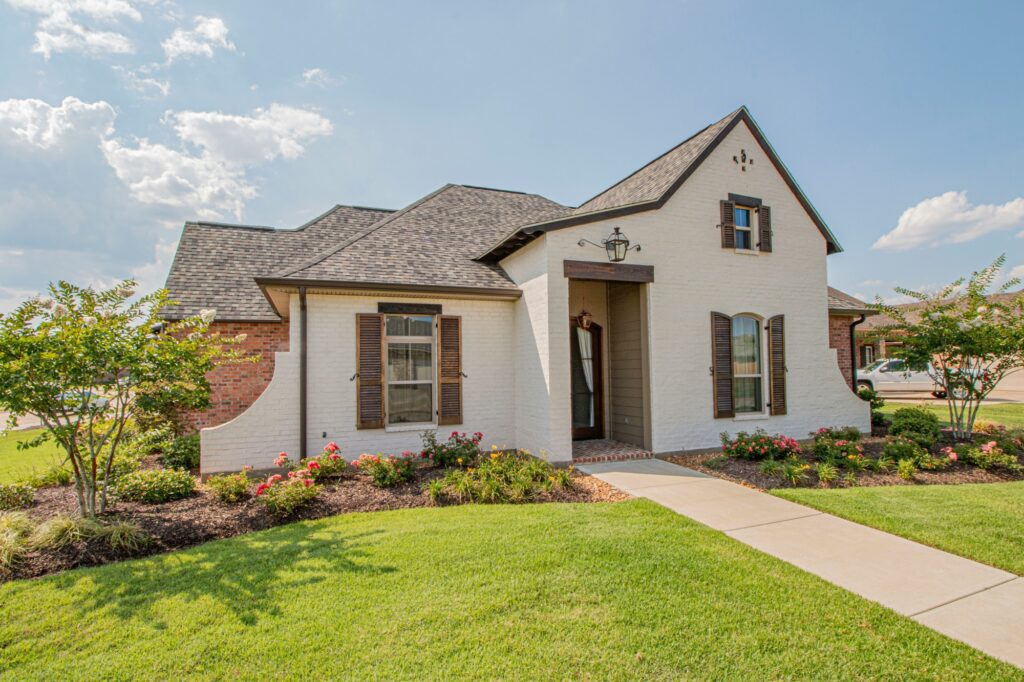
A new build becomes truly compelling when the landscape and architecture speak the same language. Thoughtful landscaping design frames sightlines, guides movement from curb to door, tempers sun and wind, and gives the home a sense of place from day one. Done well, the yard doesn’t feel tacked on after construction; it reads as part of the original vision, with grades that move water where it belongs, plant masses that soften edges, and hardscape that invites people to gather and linger.
As an owner-builder, you have rare control over sequence and specification. That means you can shape drainage before patios go in, run sleeves for lighting and irrigation before surfaces lock, and choose a restrained materials palette that looks cohesive and ages well. The result isn’t just prettier; it’s more durable, easier to maintain, and less expensive to operate. Use the tips below to read your site, phase the work like a builder, and compose an outdoor environment that elevates your architecture in every season.
Start With Site Reading: Soil, Sun, Wind, and Water
Every successful landscape starts with a quick “site read.” Note where rain naturally moves, where puddles linger, how the sun arcs across the lot, and where prevailing winds push. These observations aren’t trivia—they decide plant placement, patio comfort, and maintenance. If you have heavy clay, plan for amendments and raised beds; if you’re on sand, lock in irrigation and mulch strategies that conserve water. Walk the site at different times of day to see real microclimates: the north side that never dries, the western wall that bakes, the breezy corner perfect for a hammock.
Soil is both medium and battery. Test a few zones for texture and pH and protect topsoil during construction. Pile it separately from subsoil so you’re not trying to grow a garden in compacted fill. When you re-spread, keep it deep where roots will work (planting beds) and lighter where you’ll compact again (paths and patios). Healthy soil reduces inputs, which means a lower monthly bill and fewer “why won’t this plant live” mysteries.
Let the Architecture Lead: Style, Lines, and Proportion
Landscaping that “fits” a house usually borrows its cues from the architecture. If your home is modern with crisp edges, echo those lines in rectilinear beds, long bands of grasses, and simple hardscape geometries. If it’s a cottage or farmhouse, soften with curved edges, layered perennials, and board-formed or stone accents that feel grounded. The trick isn’t mimicry; it’s rhythm. Align bed edges with window mullions or porch beams, center specimen trees on important sightlines, and keep your hierarchy clear: house first, then site walls and paths, then plant masses, then accents.
Scale is the quiet luxury. A two-foot path in front of a nine-foot entry looks like a mistake. Size the walkway so two people can walk shoulder-to-shoulder comfortably, widen at turns, and flare near the threshold so arrivals feel welcome, not squeezed. Use plant masses in sweeping bands, not single soldiers lined up along the foundation. Repetition reads as intentional design, and it costs the same as randomness.
Grading and Drainage: Shape the Ground Before You Add Pretty
If you take one principle from this guide, make it this: water management comes before everything else. Set finish grades to push water away from the foundation with a consistent slope, use swales and French drains to move runoff to safe daylight points, and design dry creek beds or rain gardens where water can linger without damage. You’ll protect your structure, your neighbors, and your plantings—while getting a landscape that looks like it belongs to its climate.
Hard edges and soft soils are a bad combo. Where patios meet beds, use stable edging (steel, paver restraints, or poured curbs) so soil doesn’t creep and pavers don’t splay. Under gravel or pavers, compact base in lifts and set a slight crown or cross-slope for shedding. In snowy regions, consider permeable pavers to reduce heave and puddling. A landscape that drains well is low-maintenance and always looks freshly kept, even after storms.
Phase the Work Like a Builder: Hardscape, Utilities, Then Planting
Landscapes fail from poor sequencing more than poor plant choice. Install hardscape first—driveways, walks, patios, retaining walls, steps—because machines and wheelbarrows will beat up anything delicate. Next, trench and run irrigation, lighting, and sleeves under paths before you compact and pave. Only after infrastructure is tested should you spread topsoil, grade beds, and start planting.
Phasing protects your budget. If you’re tight on funds, install the structure (paths, walls, main beds) and mulch the rest until you can add plants next season. A tidy, simplified yard with edge definition looks more expensive than a half-planted jumble. Put your dollars where guests and your daily routes will see them, then fill in over time.
Design the Arrival: Driveway, Walks, and Front Entry
Curb appeal begins with clarity. Guests should see where to park, where to walk, and where to enter without second-guessing. Contrast the driveway material with the main walk so paths are legible—concrete drive with a stone or paver walk reads refined; a decomposed granite (DG) walk flanked by a low hedge feels gracious on a budget. If your driveway dominates, break its scale with scored joints, a border course, or a gentle curve that reveals the house rather than dumping you right in front.
At the front door, create a small forecourt—a pad wider than the door with space to step aside while knocking. Flank with pots or low plantings for vertical punctuation, and ensure you have non-glare, warm lighting at eye level (not just a blazing overhead can). Align house numbers, mailbox, and door hardware finishes so the ensemble looks deliberate. The entry is your landscape’s thesis statement; keep it crisp and generous.
Outdoor Rooms: Program First, Then Materials
Think of the yard as a series of rooms connected by paths. Define what each space is for—morning coffee, grilling, stretching, play, quiet reading—then design surfaces, shade, and furnishings around the activity. A dining terrace needs level pavers, overhead string lights or a simple pergola, and a wind break; a lounging nook craves dappled shade and soft planting to damp sound; a kid zone needs durable turf or play mulch and sightlines from the kitchen.
Keep materials limited. Two or three hardscape finishes are plenty: perhaps a cast-in-place concrete for the big moves, a warmer stone or paver for seating areas, and a simple gravel for secondary paths. Repeating materials makes the whole composition read as high-end even when the pieces are modest. It also simplifies maintenance and saves on waste.
Planting Strategy: Layers, Repetition, and Seasonal Interest
Plants are composition, not confetti. Use layers—canopy trees, small trees, tall shrubs, perennials, groundcovers—to build depth and create habitat. Lead with evergreens for winter structure, then add deciduous trees and shrubs for seasonal change. In front yards, place specimen plants sparingly; let the massing do the work. In backyards, be more experimental and personal.
Repeat plant palettes across the property to tie spaces together: the same grass along the path and near the patio, the same low shrub massing in the front and side yards. For long-term ease, favor native or climate-adapted species; they’re more resilient, need less water, and feed local pollinators. To keep beds from looking busy, limit yourself to groups of odd numbers and broad sweeps—five, seven, or nine of a kind—rather than ones and twos.
Color and Texture: Calm First, Pops Second
Sophisticated landscapes are often texture-driven. Let foliage do the heavy lifting—fine grasses against broadleaf shrubs, glossy leaves against matte, vertical spires against mounding forms. Use flower color as an accent rather than a riot; too many hues can look messy against a clean new build. White blooms, soft blues, and silvers read “cool” and architectural; hot colors can be powerful in small doses where you want energy.
Even “all-green” can be luxurious with the right rhythm: a clipped boxwood hedge, drift of feather reed grass, upright hornbeam, and a single sculptural olive or pine. The restraint makes your architecture shine and your maintenance easy—no deadheading marathons or clashing seasons.
Privacy, Wind, and Sound: Microclimate as a Design Tool
New neighborhoods can feel exposed. Instead of racing to build a tall fence, first map sightlines from neighbors’ windows and the street. Use evergreen screens at key angles, then finish with layered shrubs and small trees to obscure views without creating a blank wall. Staggered plantings break wind better than a solid barrier and look more natural.
Sound follows surfaces. If you’re near traffic, add water features with a gentle sheet or bubbler to provide white noise, and choose mulch or planted groundcovers over hard gravel where you want to damp footsteps. Thick hedges and earthen berms absorb low frequencies; slatted fences with plant backing can disrupt mid-high frequencies. Comfort outdoors is about control—of view, breeze, and noise.
Shade and Structure: Pergolas, Awnings, and Trees
The best form of outdoor shade is a tree—cooler air, changing light, habitat. But trees take years to grow, so pair fast-shade (pergolas, awnings, tension sails) with long-shade (well-placed canopy species). Match the overhead structure to your house: simple timber or powder-coated steel for modern builds, painted wood with clean profiles for transitional homes. Train vines (wisteria, grape, evergreen jasmine depending on climate) for seasonal cover—just mind structure loads and choose species that won’t overwhelm.
Place shade where you’ll actually sit in summer afternoons, not just where you have space. A small louvered pergola near the kitchen door may get used daily; a gorgeous arbor in the far corner might become a photo prop and nothing more. As an owner-builder, you can run conduit to overhead structures during rough-in for future fans, heaters, or lights, saving costly retrofits.
Lighting the Landscape: Safety, Mood, and Night Views
Outdoor lighting should guide, not blind. Aim for low, warm illumination at 2700–3000K, focused on path edges, step treads, and door hardware. Use small wash lights to graze feature walls or specimen trees, and keep fixtures hidden where possible (under capstones, in plant beds). Avoid pointing spots straight into eyes or neighbor windows; glare destroys the very mood you paid to create.
Think of night as another landscape. What do you see from the sofa after dark? A softly lit tree beyond the glass makes your interior feel deeper. Wire zones separately (paths, trees, dining terrace), add a dimmer for the social zone, and link to a simple astronomical timer. You’ll get a safe, cinematic yard without an electric bill spike.
Water-Wise Design: Irrigation, Mulch, and the Right Plants
A new build’s irrigation is easiest before plants go in. Install a simple zoned drip system for beds and high-efficiency rotary heads for lawns (if you keep any). Group plants by hydrozones—high, medium, low water—so you’re not drowning a lavender to keep a hydrangea happy. Add a smart controller with weather skip and flow monitoring; it pays for itself.
Mulch is unsung luxury. Two to three inches of shredded bark or fine gravel suppresses weeds, stabilizes soil temperatures, and makes beds look finished. Top up seasonally and keep it off trunks and stems. Combined with native or drought-tolerant plants, you’ll get a resilient landscape that survives heat waves and travel without panicked hand-watering.
Lawn, Less or None: Where Turf Still Makes Sense
Lawns are great for play and visual calm—but they’re thirsty and loud to maintain. Use lawn sparingly and purposefully: a rectangle big enough for cartwheels, a putting strip, or a dog run. Shape turf with straight lines (easier to mow, cleaner look) and border with a mower strip so edging is quick. If you don’t need lawn, substitute no-mow fescues, groundcovers, or DG courts for a classic, dry landscape design vibe.
If your region is shifting away from cool-season grasses, explore warm-season varieties that thrive on less water. Where lawn is purely cosmetic, consider synthetic for tiny, shady postage stamps and save irrigation for trees and shrubs. Your eye reads “green carpet,” and your water bill reads relief.
Edible Elements: Beauty You Can Eat
Kitchen gardens don’t have to look like an allotment. A pair of raised beds in steel or wood, a run of espaliered fruit along a fence, or a line of herbs in a sunny strip by the patio adds delight and function. Mix edibles into ornamental beds—blueberries, kale, rosemary, and thyme are beautiful plants that also season dinner.
Put edibles where water and sun are dependable and access is easy (ten steps from the kitchen, not fifty). Use crushed gravel or pavers between beds to keep mud down, and add a hose bib or quick-connect nearby. A small composting zone tucked behind a screen completes the cycle without intruding on the view.
Fences, Screens, and Edging: Clean Lines Win
Boundaries matter. Choose a fence style that aligns with the home—horizontal boards for modern lines, simple vertical pickets for classic forms, black wire mesh behind wood where transparency helps. At side yards, use semi-transparent screens to filter views instead of dead-ending every path. Where you need a fast privacy boost, plant a staggered row of clumping bamboo or upright evergreens with root barriers suited to your climate.
Edging is the cheapest “custom” look you can buy. Define beds with steel or concrete and keep curves gentle enough to mow. Repeat the same edge detail across the property so the yard feels designed, not pieced together. Unified edges make even DIY plantings read professional.
Wildlife and Pollinators: Habitat Without the Mess
A new build can be sterile if every plant is sterile too. Add a few pollinator powerhouses—salvia, echinacea, milkweed, penstemon—clustered where you’ll enjoy the show. Layer bird-safe water (shallow bubbler or dripper), and choose at least one berrying or nectar shrub for winter food. Avoid invasive species and keep nectar plants away from dining terraces if bees make guests anxious.
You can have habitat without chaos by massing plants and maintaining crisp edges. A drift of three native grasses and five coneflowers behind a steel edge looks intentional and helps the ecosystem. The bonus is motion: grasses sway, birds forage, and your yard feels alive.
Construction-Smart Planting: Protect, Stage, and Stake
Plants are living products; treat them like finish materials. Keep them shaded and watered on delivery, install the biggest items (trees) first, and stake only where truly needed to allow trunks to strengthen. Break up glazed planting holes in clay soils and rough up the sidewalls so roots can escape. Water deeply after planting and mulch immediately to lock moisture and prevent soil crusting.
Protect new beds from foot traffic with rope lines or temporary fencing until roots take. Coordinate with trades so no one trenches through your drip lines or dumps mortar in your beds. A quick pre-walk with subcontractors and a can of paint to mark zones can save a season’s budget.
Budget and Phasing: Spend Where It Shows, Save Where It Grows
Not everything needs to be done this year. Spend on hardscape, grade, and trees—they set the bones and take time to mature. Save by buying smaller perennials and shrubs; they catch up fast if the soil is right. Consider seeded meadows or wildflower strips for back corners where instant finish isn’t required.
Ask for alternates in bids: basic broom-finish concrete with formed joints vs. exposed aggregate; steel vs. composite edging; standard vs. smart irrigation controller. Decide where a premium earns daily value (front walk, dining terrace) and where a base option frees cash for trees or lighting. Luxury outdoors comes from coherence, not price tags.
Maintenance Plan: Design for the Life You Actually Live
Be honest about maintenance. If you’re not a gardener, design with fewer species, more evergreen structure, and drip irrigation with mulch to keep weeds down. Set seasonal tasks on a calendar: spring mulch and edge refresh, summer irrigation check, fall cutback for grasses and perennials, winter pruning for structure. A two-hour monthly habit beats a panic day in June.
Maintenance informs plant choice. Choose shrubs that don’t need constant shearing to stay in bounds, grasses you like even when they’re dormant, and groundcovers that knit together to beat weeds. A landscape that thrives with low drama is a landscape you’ll love for decades.
Common New-Build Landscaping Mistakes (and How to Avoid Them)
The number-one mistake is planting too close to the foundation and walks. Give shrubs the room they’ll need at five years, not five months, and leave a maintenance strip along the house for access and airflow. The second is sprinklers on autopilot with no seasonal tuning; fix it with a smart controller and a ten-minute monthly check.
Third, too many materials. Four kinds of pavers, three gravels, and two mulches make a yard look like a sample board. Pick a lane and repeat it. Fourth, ignoring drainage—no one remembers the pretty patio if water floods the garage. Grade first, beauty later. Finally, failing to phase. It’s okay to mulch a future bed and plant next year; it’s not okay to plant and then rip it out for the path you forgot.
Quick Owner-Builder Checklist
- Confirm finish grades and drainage plan before hardscape
- Lock hardscape materials and edge details; run sleeves under paths
- Design arrival sequence (drive, walk, forecourt) for clarity and width
- Program outdoor rooms; size for furniture and circulation
- Group plants by hydrozones and choose native/adapted species
- Install drip irrigation, smart controls, and zone for future expansion
- Keep plant palette tight; repeat masses for cohesion
- Add low, warm lighting on zones; avoid glare
- Place fast-shade structures now, long-shade trees for the future
- Phase: hardscape → utilities → soil & mulch → trees → shrubs → perennials
FAQs
How soon after construction should I landscape?
As soon as grading is final and heavy equipment is off-site. Bring in topsoil, finalize hardscape, install utilities, and then plant. If you must move in mid-winter or peak summer, phase with mulch and plant in the next ideal season.
What’s the best low-maintenance planting strategy?
Fewer species, more evergreen structure, drip irrigation, deep mulch, and native or climate-adapted plants grouped by water needs. Design beds with clean edges so even simple plantings read polished.
Do I need a landscape designer?
If the site is complex (grades, drainage, retaining, permits), a pro can save you money. For simpler lots, use this guide, sketch a plan to scale, and get nursery or contractor input on plant counts and placement. Either way, make drainage and phasing non-negotiable.
How big should the front walk be?
Aim for 48–60 inches minimum to feel generous, wider at turns and near the door. If you’re tight on budget, flare the last eight feet near the entrance for a “wow” moment where it matters.
What’s the fastest way to add “expensive” feel outdoors?
Crisp edges, a clean entry with layered planting and warm lighting, a restrained materials palette, and one or two specimen trees placed on axis with key views. It’s coherence, more than cost, that reads as luxury.
In the end…
A landscape that truly complements your new build isn’t a shopping list of plants; it’s a sequence and a structure. Read the site, drain it well, and phase the work like a builder. Let the house lead your lines and proportions, limit materials, and use layered plant masses for depth and calm. Add shade where you’ll sit, light what you need to see, and wire smartly while trenches are open. Spend on bones and trees, save on filler that can grow in. Do this, and your home won’t just sit on a lot—it will belong to a place, welcoming in every season, ready for daily life and the long view.