How to Future-Proof Your Home for Resale Value (Owner-Builder Edition)
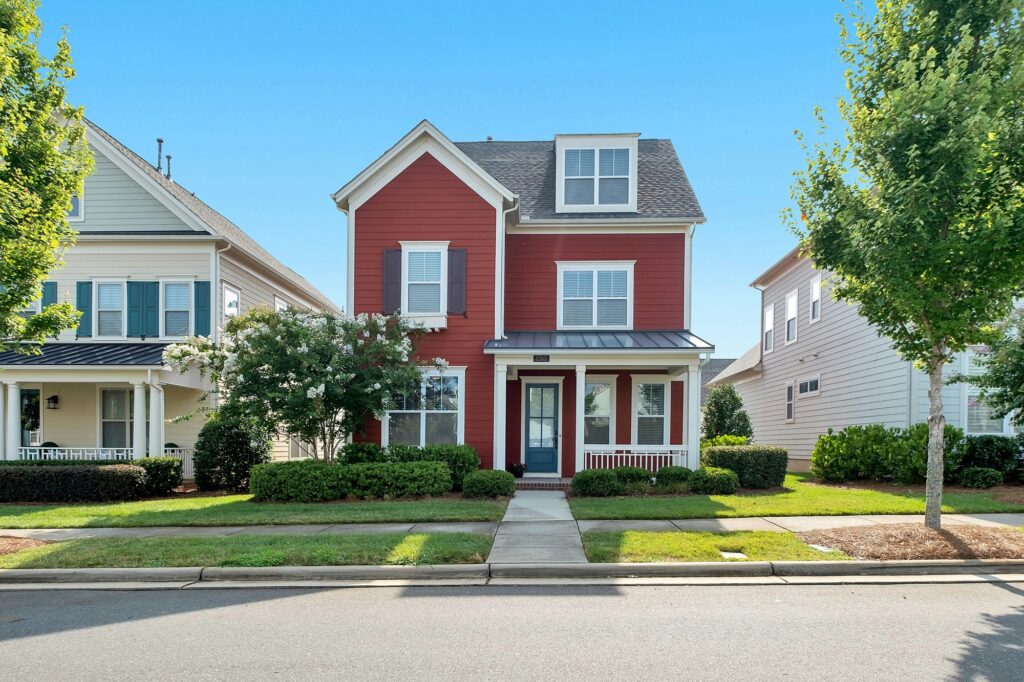
Design decisions you make during a self-build will echo through listing photos, home inspections, and buyer walk-throughs years from now. Future-proofing for resale value means shaping a house that is easy to live in, economical to run, simple to upgrade, and credible to appraisers and inspectors. As an owner-builder, you have leverage most buyers never get: you control the shell, the systems, and the rough-ins that are expensive to change later. Use that leverage to lock in durability, flexibility, and market-aligned features that age gracefully.
This guide gives you a practical, construction-aware playbook—from site plan to punch list—so your home performs beautifully today and sells fast tomorrow. Each section explains why buyers care, what to specify, and how to document your choices so value shows up on paper as well as in person.
Start With Your Market’s Baseline (Match What Sells, Then Improve the Bones)
Every neighborhood has quiet “musts” that drive offers: bed/bath count, garage capacity, laundry placement, a walk-in pantry, sometimes a main-level bedroom or a home office. Pull recent comps at your target square footage and note recurring features and finishes buyers expect.
Two action steps make this practical:
- Right-size the program. If 4 bed/3 bath is the norm for your price band, don’t reallocate space to niche rooms that reduce bedroom count. Buyers shop with filters.
- List the differentiators you’ll embed in the structure. Examples: EV-ready power, solar-ready conduit, a superior envelope, balanced ventilation, and universal-design clearances. These are difficult to add later and quietly increase buyer confidence.
Design Flexible Spaces (More Lives Fit in a Flexible Plan)
Houses that adapt to different life stages keep value longer. Plan for rooms that can change roles without demolition.
- Framing and spans. Keep a regular structural grid so interior walls move easily. Coordinate with your engineer to minimize point loads that lock in partitions.
- Convertible rooms. Give the office double doors or a wider cased opening so it reads as a legal bedroom if needed (with egress). A loft can stage as a second office, playroom, or fitness zone.
- Stacked plumbing. Align wet walls between floors to simplify future bath or kitchenette additions.
- One bed + full bath on main. This single decision expands your buyer pool to multi-gen families and aging-in-place buyers.
Nail Bed/Bath Logic and Circulation (Daily Use Trumps Novelty)
Buyers notice how mornings flow. Keep bedrooms buffered from noisy zones, align bathroom counts with bedroom counts, and prioritize laundry near bedrooms. Provide 42–48″ primary circulation paths where possible and avoid awkward pinch points at island ends, stair turns, and mudroom entries.
Two small details pay off at showings:
- Door choreography. Verify that door swings don’t collide and that you can open doors fully without hitting furniture.
- Sightlines. From the entry, show a deliberate view (a window, a fireplace, a tree), not a utility closet or a bathroom.
Build a High-Performance Envelope (Comfort and Low Bills That Buyers Feel)
Air sealing, insulation, and window performance are the quiet foundations of resale value. Buyers may not quote U-factors, but they experience even temperatures, calm rooms, and lower utility bills.
- Air barrier continuity. Specify a continuous air barrier at sheathing or interior gypsum (or both) and verify with a blower-door test.
- Insulation strategy. Choose assemblies appropriate to climate—e.g., exterior continuous insulation to reduce thermal bridges; dense-pack or spray foam selectively; robust attic/roof R-values.
- Windows and flashing. Use climate-appropriate U-factor and SHGC, and insist on pan flashing, head flashing, and rainscreen details. Quality windows plus correct flashing outlive trends by decades.
Document it. Keep test results, insulation invoices, and window schedules. Put them in a “Home Manual” buyers can trust.
Plan Electrical Capacity for the Next Decade (Service, Space, and Stubs)
Electrification is moving fast. Give the house headroom so tomorrow’s loads don’t require panel surgery.
- Main service and panels. Aim for 200A+ service (or higher if local norms support it), spare breaker spaces, and a garage subpanel for future circuits.
- EV-ready. Run a dedicated 240V (40–60A) circuit to a convenient garage location and label it EV-ready. Even a capped receptacle adds listing firepower.
- Future-proofing conduit. Install 1–1.5″ conduits from panel to attic and to the exterior meter area. Empty conduit is cheap insurance.
Make the Roof and Panel Solar-Ready (Options Buyers Understand)
Even if you’re not installing PV today, design for it:
- Dedicated PV conduit from roof to panel, clearly labeled.
- Clear roof zones free of vents with structure that supports typical array loads.
- Battery-ready critical loads subpanel or a generator interlock. Buyers love choices.
Again, include a one-page solar-ready note in your manual with photos of the conduit stubs and panel labeling.
Treat Connectivity Like a Utility (Wired Backbone + Clean Low Voltage)
Streaming, remote work, and smart devices depend on a stable network.
- Cat6A home runs to the office, living room, bedrooms, and ceiling locations for PoE access points.
- A ventilated low-voltage panel with power, plus smurf-tube from TV walls and office to that panel for future pulls.
- Doorbell/camera PoE stubs at the entry and eaves.
Provide a simple network map. Reliability sells.
Specify Quiet, Clean HVAC and Real Ventilation (Comfort is the First Impression)
Buyers respond to quiet operation and fresh air.
- Right-sized equipment. Demand a Manual J load calculation and variable-speed systems (heat pumps or high-efficiency furnaces) matched to your envelope.
- Balanced ventilation. Include an ERV/HRV for continuous fresh air and humidity control.
- Filtration and fans. Design for MERV-13 filtration and low-sone bath fans on timers.
Place air handlers and ductwork inside conditioned space when feasible. Show buyers the filter sizes and service access; it signals care.
Build Kitchens and Baths on Timeless Bones (Trends as Layers, Not Structure)
Remodels are expensive; layout and infrastructure should last.
- Kitchen. Plan 42–48″ aisles, clear work zones, robust make-up air where code requires, and dedicated circuits. Choose durable quartz or porcelain for main counters, and keep a single focal zone for design expression.
- Baths. Use proven waterproofing systems, slope pans correctly, and vent well. A curbless shower with blocking for future grab bars delivers universal appeal.
Select cabinet lines with replaceable doors and standard sizes. Upgrading hardware or pendants is easy; moving a range isn’t.
Invest in Storage and Utility Spaces (Invisible Features That Close Deals)
Pantries, linen closets, mudrooms, and a laundry with counter/hanging space improve daily life and appraisals.
- Mudroom logic. Hooks and cubbies near the entry from garage keep chaos contained.
- Garage readiness. Blocking for racks, attic pull-down, hose bib, and bright, efficient lighting.
- Floor drains or pans in laundry rooms where allowed.
These areas rarely trend on social feeds, yet buyers remember how organized they felt in your house.
Integrate Universal-Design Moves (Ease Without the Label)
Subtle Universal Design broadens your buyer pool without broadcasting “accessible.”
- At least one zero-step entry.
- Lever handles, 34–36″ clear doorways in main zones, and easy turn radii.
- Blocking for future grab bars in primary bath and a curbless shower.
Strollers, luggage, injuries, and aging all benefit—value with no downside.
Elevate Outdoor Living and Curb Appeal (Durable First Impressions)
Outdoor spaces extend perceived square footage.
- Covered patio/pergola wired for a fan and warm 2700–3000K lighting.
- Grading and drainage that push water away from the home, with defined edging and low-maintenance plant masses.
- A clear arrival sequence: generous walk, readable house numbers, a front door scaled to the facade.
Buyers begin judging before the lockbox clicks. Make that first 30 seconds unmistakably positive.
Choose Smart Tech for Interoperability (Useful Now, Replaceable Later)
Smart homes age fastest at the hub. Favor standards and hard-wired power:
- Devices and switches that support Matter/Thread or established open protocols (Zigbee/Z-Wave), with neutrals at boxes and deep device boxes for smart dimmers.
- PoE for cameras and doorbells where practical, avoiding battery hassles.
- Keep critical systems (locks, lighting) usable without the app.
Leave a reset/how-to sheet in your manual so new owners aren’t intimidated.
Defend Against Moisture and Pests (Problems Avoided Don’t Show Up on Disclosures)
Water is the silent value killer. Prioritize:
- Kick-out flashing, drip edges, pan flashing, and WRB continuity.
- Proper exterior grade clearances and positive slope away from the foundation.
- Capillary breaks beneath slabs, vapor barriers where required, and a radon rough-in with test results if relevant.
Select claddings and trims with proven weathering—fiber-cement, masonry, standing seam metal, or robust shingles with quality underlayments.
Design for Acoustic Comfort (Quiet Reads as Quality)
Peace is persuasive.
- Mineral wool in bedroom and bath partitions; solid-core doors for private rooms.
- Resilient channel or sound mats in media/bedroom overlaps.
- Duct routing that avoids transfer grilles between quiet and noisy zones.
Along busy streets, consider laminated glass on the noisy facade. Buyers linger longer when the house feels calm.
Document Everything (Turn Invisible Quality Into Trust)
A well-organized Home Manual transforms suspicion into confidence. Include:
- Plans, permits, inspections, and warranties.
- MEP schedules (models/serials), filter sizes, service dates.
- Envelope specs (insulation R-values, window data, blower-door results).
- Photos of concealed work before drywall (flashing, insulation, drain routing).
- Panel schedules, low-voltage map, network diagram.
At listing, provide a one-page features summary that an agent can hand to every visitor.
Align with Appraisal and Insurance (Paper Value Matters Too)
Some choices move the appraisal needle directly (finished square footage, additional bath, garage stalls). Others enhance marketability and operating cost but may not boost the grid cells (solar-ready stubs, ERV).
- Don’t trade a bedroom for a novelty space if comps reward bedroom count.
- Permit and document any area you want counted as finished.
- Note risk-reducing materials—Class A roofing in wildfire regions, impact-rated glazing in hail zones—which can help insurance premiums and buyer comfort.
Budget and Phasing Strategy (Spend Where It Sticks, Stub What Changes)
Protect dollars in places that are painful to redo:
- Spend now: structure, envelope, windows/doors, mechanicals, panel capacity, duct routes, circulation widths.
- Stub now: EV receptacle, PV conduit, battery-ready subpanel, hose/gas/electric at patio, future wet bar drain, extra low-voltage conduits, blocking behind finishes.
- Save now, upgrade later: decorative lighting, hardware, paint colors, minor appliance swaps—easy changes for the next owner.
When budgets tighten, keep the bones strong and simplify finishes. Inspections and utility bills favor substance over shine.
Adjust for Regional Risks (Value Is Local)
Resale value depends on how a home meets local hazards.
- Hurricane/high-wind: compact hip roofs, reinforced edge metal, uplift-rated roofing, continuous load path.
- Wildfire/WUI: ember-resistant vents, non-combustible claddings, simplified rooflines with fewer debris traps, defensible space in landscape.
- Snow/ice: airtight lids, vented cold roofs or exterior insulated unvented roofs, generous ice-and-water at eaves.
- Hot-humid: balanced ventilation, humidity control, corrosion-resistant exteriors.
- Arid/water-limited: low-water landscapes, shaded outdoor rooms, durable hardscape.
Speak the local language and your listing will resonate.
Common Future-Proofing Mistakes (And Easy Fixes)
- Chasing gimmicks over fundamentals. Prioritize envelope, MEP, and bed/bath logic before feature walls and niche rooms.
- Under-sizing electrical and low voltage. Add panel space and pull extra Cat6A while walls are open.
- Ignoring drainage and moisture. Grade early, practice flashing mock-ups, photo-document.
- Locking in loud style on fixed surfaces. Keep bold moves to replaceable layers—lighting, hardware, paint, mirrors.
- Skipping documentation. Invisible quality needs receipts and photos to convert to price.
Quick Owner-Builder Checklist
- Confirm market bed/bath expectations and core features
- Plan flex rooms, stacked plumbing, and a main-level bed + full bath
- Specify airtight envelope, insulation strategy, and window performance
- Provide 200A+ service, EV-ready circuit, and empty conduits
- Make the house solar-ready with labeled conduit and roof zones
- Wire Cat6A home runs and PoE stubs; map low-voltage
- Choose variable-speed HVAC, ERV/HRV, and MERV-13 filtration
- Build kitchens/baths on timeless layouts and robust ventilation
- Maximize storage, practical mudroom, and smart laundry
- Integrate universal design: zero-step entry, lever handles, curbless shower
- Compose outdoor rooms, clear arrivals, and water-smart landscaping
- Select interoperable smart tech; keep core functions usable offline
- Detail flashing/drainage; protect against pests and radon as needed
- Add acoustic upgrades in bedrooms/media; solid-core doors
- Compile a thorough Home Manual with photos and test results
FAQs
What single upgrade offers the best resale ROI?
A superior envelope paired with right-sized HVAC. Buyers feel comfort and quiet instantly, utility costs drop, and inspections go smoothly.
Is 200A service enough?
For most new builds, 200A with spare spaces plus a garage subpanel and EV-ready circuit covers near-term needs. If you plan multiple EVs, electrified heat, and a workshop, consider larger service where utilities allow.
Do smart home systems add value?
Interoperable, hard-wired basics (locks, lighting, cameras) add convenience and confidence. Avoid closed ecosystems that age quickly or require subscriptions to function.
Are solar panels worth it at build time?
If incentives are strong and your roof/orientation is favorable, yes. If not, being solar-ready with conduit and panel space preserves the option for the next owner.
How much documentation is enough?
Include permits, warranties, test results (blower-door, radon), product lists, panel schedules, and photos of concealed work. The thicker the manual, the thinner the buyer’s doubts.
Final Words
Future-proofing for resale value is a series of disciplined choices: a flexible plan that fits more lives, a quiet and efficient shell, generous power and data headroom, durable kitchens and baths, low-drama moisture details, and outdoor spaces that expand daily living. Add interoperable tech, subtle universal design, and thorough documentation, and you’ll own a home that feels better now and sells faster later.
Build the parts that are hard to change with excellence, stub the parts that are likely to evolve, and express style through replaceable layers. That approach turns your self-build into a long-lasting asset—one that photographs beautifully, inspects cleanly, and commands attention the moment buyers step through the door.

