Step-by-Step Guide to Building Your Own House from the Ground Up
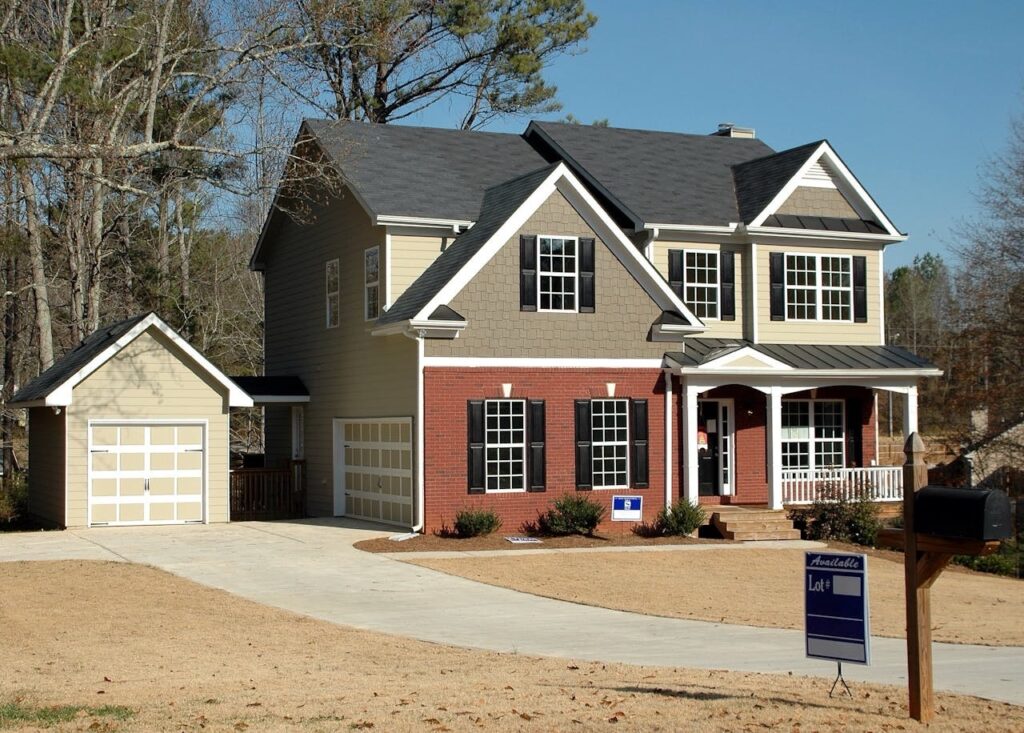
Building a house from the ground up can be one of the most rewarding projects a homeowner undertakes—when it’s done well. The path to success is full of pitfalls, ups and downs, and hundreds of decisions that compound. Early moves set the tone for cost, schedule, and comfort, while late guesses often snowball into rework.
Think of the project as two tracks running in parallel. On paper, you’re shaping program, massing, systems, drawings, specs, permits, and financing. On site, you’re choreographing access, foundations, framing, rough-ins, and finishes. Most delays trace back to a gap between those tracks: selections made after procurement deadlines, details missing from the set when framing starts, inspections scheduled after trades have already mobilized. Keeping paperwork a step ahead of construction closes that gap and keeps everyone moving in the same direction.
Smart spending lives in the shell and systems. A tight envelope with verified air sealing, climate-appropriate windows, and right-sized HVAC lowers bills, calms rooms, and raises appraisal confidence. Clear draw schedules, honest allowances, and disciplined change-order rules keep cash flowing to the field instead of friction. When ideas become orders, submittals and shop drawings confirm dimensions, finishes, and performance before trucks roll—no “hurry up and wait” for windows, doors, or hinges that should already be on site.
Whether you hire a general contractor, choose design–build, or manage pros as an owner-builder, the steps ahead work the same way: decide early, document clearly, and sequence with intent. Build a simple paper trail—permits, inspection sign-offs, blower-door results, panel schedules, product cut sheets, and photos of concealed work before drywall—and future you will thank you at warranty time or resale. Start from that stance and you’ll trade guesswork for a steady march from survey stakes to Certificate Of Occupancy.
This guide gives you a clean sequence for those choices—what to decide, what to document, who to involve, and when to lock each item—so the site crew always has clear instructions and the budget stays pointed at work that matters.
Step 1: Define Goals, Budget, and Non-Negotiables
Before you pick floor plans, write a simple project brief. List who will live in the home, how you’ll use spaces morning to night, and the three to five non-negotiables that must survive value engineering (for example: a main-level suite, true mudroom, airtight envelope, natural light in the kitchen). Rank the rest as “nice to have.” This clarity protects your plan when bids arrive higher than hoped and keeps you from paying for features that don’t serve your life.
Translate that brief into numbers. Identify a realistic all-in budget (land + sitework + construction + design/permits/fees + driveways + landscaping + furnishings), not just a per-square-foot guess. Reserve a contingency—typically 10–15% of construction—for surprises and escalation. Decide your quality tier for shell and systems up front (windows, roof, HVAC, insulation), because these are costly to upgrade later and determine comfort and operating costs for decades.
Step 2: Line Up Financing and Cash Flow
If you’re not paying cash, meet lenders early to compare Construction-to-permanent Loans, draw schedules, interest-only periods, and required down payments. Ask about owner-builder eligibility (some lenders require a licensed GC), how appraisals are handled for new builds, and what documentation (plans, specs, budget) is needed for approval. Understand how your bank releases draws, what inspections they require, and the timeline for reimbursements so the project never starves for cash.
Build a cash-flow calendar keyed to milestones—deposit for plans, permit fees, long-lead deposits (windows, cabinets), foundation pour, framing, rough-ins, and finishes. Create realistic allowances for selections not yet made (cabinets, counters, tile, lighting, plumbing) and keep them honest; allowances set too low create “overage” shock later. Decide how you’ll handle change orders and who has authority to approve them so scope creep doesn’t nibble your contingency away.
Step 3: Choose and Vet the Lot
A beautiful plan on the wrong site can bleed your budget. Do due diligence before you close: confirm zoning, setbacks, height limits, HOA/ARB rules, and any overlays (hillside, flood, wildfire, coastal). Order a boundary and topographic survey so the team can design to reality, not assumptions. Walk the lot at different times to see sun, wind, drainage patterns, and neighbor window locations. Verify access for heavy equipment and material staging.
Assess soil with a geotechnical report if your region or topography warrants it. Poor soils, expansive clays, or high water tables change foundation strategy and cost. Confirm utilities—water pressure and tap fees, sewer vs. septic (and perc test), gas availability, and electrical capacity. Hidden line items like rock excavation, long utility runs, driveway lengths, and tree removal often rival finish upgrades in cost; better to budget for them now than discover them at excavation.
Step 4: Assemble the Right Team
Pick your delivery path—design–bid–build (architect first, then bid to builders), design–build (one team owns both), or construction manager/GC early involvement. Each has trade-offs in cost control, speed, and single-point accountability. Interview candidates with your brief and budget on the table. Ask architects for sample drawing sets at the level of detail you expect (millwork elevations, flashing details, lighting plans). Ask builders for recent schedule examples, submittal logs, and closeout packages.
Round out the team with the pros you’ll need: structural engineer, civil engineer (grading and drainage), geotech, surveyor, and possibly energy consultant if you’re pursuing a high-performance envelope or a performance-path energy code. Clarify scopes so there are no gaps between designer and GC on who owns specifications, finish schedules, and permit responses. Good teams save you money by preventing misunderstandings and field improvisation.
Step 5: Program and Schematic Design
Translate your brief into a program (rooms, target sizes, adjacencies) and let your architect explore schematic design options. Prioritize orientation for light and comfort, simple massing for cost control, and logical circulation that eliminates wasted area. Decide early how you’ll handle the garage (front-load, side-load, detached), storage (pantry, linen, mudroom), and key experiential moves (view window, covered outdoor room) so structure and roof forms support them.
At the end of schematic, ask for a preliminary cost check with your builder. You’re not pricing every switch yet; you’re testing massing, square footage, and system assumptions against reality. Adjust the plan now—before the details multiply—so you don’t value-engineer the soul out of the house later. Keep drawings legible and decisions documented; schematic choices ripple forward into framing, MEP routes, and finishes.
Step 6: Design Development and Cost Alignment
In design development (DD), the big ideas gain detail. Lock window schedules and performance targets (U-factor, SHGC), define the WRB and rainscreen strategy, choose roofing assemblies, and sketch critical flashing conditions so waterproofing isn’t left to chance. Decide HVAC type (heat pump vs. furnace, ducting strategy, zones), plumbing approach (manifold vs. trunk-and-branch), and electrical capacity (200A+ with future EV, PV, and battery paths).
Run a second, deeper pricing check. This is the moment to practice value engineering without downgrading experience: simplify roof geometry, standardize window sizes, specify semi-custom cabinets with upgraded doors/hardware, and concentrate premium finishes in focal zones. Confirm allowances match your taste level. DD is also when you outline finish schedules—flooring, tile, paint, fixtures—so bids are apples to apples.
Step 7: Permits, Approvals, and Insurance
Submit for planning (if required) and Building Permits, answer plan check comments promptly, and coordinate any HOA/ARB reviews. Verify special inspections (structural, energy) the jurisdiction will require. Line up builder’s risk insurance, general liability, and workers’ comp coverage according to your delivery method. If you’re the owner-builder, confirm what policies you must carry and where your GC’s policies cover you.
Set a permit calendar that meshes with your procurement and mobilization dates. Share it with the team so long-lead orders (windows, trusses, doors, HVAC equipment, cabinets) can be placed as soon as approvals hit. Permits and insurance are overhead, but they are also your shield—keep paperwork clean and current.
Step 8: Preconstruction, Bidding, and Procurement
Before shovels move, run a short preconstruction phase. Finalize scopes of work and bid packages for trades, collect and review submittals and shop drawings (windows, doors, cabinets, stairs, roofing, HVAC layouts), and build a critical path schedule that identifies long-lead items. Lock a draw schedule that aligns with lender expectations and trade payment timelines. Decide your RFI (request for information) channel to keep questions flowing and documented.
Place orders for anything that will hold schedule if delayed—windows/doors, trusses, specialty roofing, bath glass, garage doors, appliances with long lead times, and cabinets. Confirm delivery staging and site storage plans so materials are protected. Good procurement is quiet: the crew always has the next thing in hand, and nothing stops for want of a gasket or hinge.
Step 9: Site Prep, Access, and Layout
Install erosion control (silt fence, inlet protection), set construction fencing and signage, and arrange temporary power and water. Clear selectively to preserve valuable trees and sightline buffers, then rough-grade to create safe access and staging. Stake the house with batter boards and verify corners and setbacks against the survey—this is where mistakes get very expensive if missed.
Coordinate utility mark-outs, portable sanitation, and a clean material laydown area. Establish site rules for deliveries, debris control, and safety. A tidy site is faster and safer, and inspectors notice. Before excavation, hold a ten-minute “tailgate” review of the day’s work, Soil Conditions, and weather—small habits avoid big problems.
Step 10: Foundations and Slabs
Excavate to plan, protect the subgrade from rain damage, and place footings with proper reinforcement and keyways. Install under-slab vapor barriers, radon rough-ins where relevant, and under-slab plumbing/electrical with pressure tests before the pour. For basements or crawl spaces, apply waterproofing to foundation walls and set drainage (perimeter drains to daylight or sump) before backfill; sloppy details here become wet basements later.
Place concrete to spec, vibrate and finish correctly, and cure it—don’t just let it dry. Early strength matters less than long-term durability; proper curing reduces cracking and increases performance. Check anchor bolt locations, stem wall heights, and square/level; foundations are the measuring stick for everything that follows. Photograph reinforcement and sleeves before cover so you have a record.
Step 11: Framing and Sheathing
Frame to plans using straight, dry lumber, install engineered beams and trusses per manufacturer instructions, and verify dimensions for kitchens, baths, and stair openings. Layout matters: straight walls, true corners, and plumb studs make every downstream trade faster and cleaner. Install sheathing with correct fastener schedules and window/door rough openings square and to size.
This is also the time to anticipate MEP routes. Block for heavy items (cabinets, shower glass, barn doors, wall-hung toilets), mark chase walls for ducts, and avoid drilling through future tile-niche locations. Once sheathing is on, immediately install the weather-resistive barrier (WRB) to protect the structure and set the stage for a tight shell.
Step 12: Windows, Exterior Doors, and Roofing (Getting Dry-In)
Install windows and exterior doors using pan flashing, side/head flashings, and tapes compatible with your WRB—follow a tested shingle-style sequence so water always laps out. Check reveals and operate every unit before moving on. Integrate sill pans and back dams so incidental water can’t migrate inside. Seal penetrations (vents, hose bibs, meter bases) as they occur; leaks love afterthoughts.
Roof quickly and correctly: drip edge, underlayment (consider peel-and-stick in eaves/valleys), then shingles or standing seam to manufacturer specs with proper edge metal. Flash every intersection—kick-outs at siding returns, step flashing at walls, counter-flashing where needed. Dry-in day is a milestone: the house can now weather rain without damage, and interior work can proceed without tarps and prayers.
Step 13: Rough Mechanical, Electrical, and Plumbing
With the shell protected, run HVAC ducts with attention to straight runs, gentle turns, and return air sizing; noisy, undersized returns are a quality killer. Keep ducts inside conditioned space where feasible. Rough in plumbing with smart fixture grouping, proper venting, and accessible cleanouts; pressure test before inspections. Rough in electrical with panel capacity to spare, arc-fault/GFCI where required, and a low-voltage plan (Cat6A home runs, PoE for access points and cameras, conduit to TV walls and office).
Hold a coordinated rough-in walk with designer and builder to confirm box locations, switching, sconce heights, vanity light spacing, appliance circuiting, and hood make-up air paths. Capture last-minute adjustments now; once insulation goes in, moving boxes becomes real work and real money.
Step 14: Insulation, Air Sealing, and Performance Tests
Seal before you insulate. Complete the continuous air barrier at sheathing or interior gypsum with tapes, gaskets, and sealants; foam the small holes, not the big concepts. Choose insulation for your climate and assembly—dense-pack cellulose, fiberglass batts done right, hybrid approaches with exterior continuous insulation, or spray foam where appropriate. Pay special attention at rim joists, attic hatches, and around rough openings.
Schedule a blower-door test after air sealing/insulation and before drywall, and a duct leakage test if required. Fix leaks while you still can see them. Document results; they’re part of your quality story and often reduce HVAC size and runtime. Performance is comfort, quiet, and lower bills—buyers and appraisers increasingly notice.
Step 15: Drywall, Taping, and Prime
Hang drywall with proper fastener spacing, glue where specified, and stagger seams. In high-light or long-wall areas, consider a Level 5 finish to avoid telegraphing joints. Tape and mud with clean corners and consistent reveals; small wobbles in drywall become big shadows in raking light. Prime walls and ceilings to expose flaws before color coats; primer is also your test of how flat and tight the envelope reads.
Before closing ceilings, confirm can light placement (or better, avoid cans for wafers or architectural slots), bath fan terminations, speaker prewires, and shade pockets. It’s cheaper to move a box now than to live with a Swiss-cheese ceiling forever.
Step 16: Cabinets, Tile, and Surfaces
Approve cabinet shop drawings against field dimensions and install cases plumb, level, and anchored to blocking. Leave proper fillers to center doors and align stiles; this is where kitchens go from “installed” to “tailored.” For tile, verify waterproofing systems (sheet or liquid) and flood test shower pans; set movement joints at changes of plane; and align grout lines through corners for a refined read. Order countertops only after cabinets are fully set and appliances confirmed; template carefully, and detail edges and overhangs.
Protect new finishes immediately. Cardboard and rosin aren’t glamorous, but they’re cheaper than replacing a slab. Keep trades from using freshly tiled showers or tops as workbenches. Good housekeeping is quality control in disguise.
Step 17: Flooring, Interior Doors, Trim, and Paint
Acclimate wood flooring to site conditions, then install with attention to transitions and thresholds. Sequence floors with care—tile first in wet rooms, wood later where dust control is hard. Hang interior doors (solid-core in bedrooms/baths for sound), set casings and base with tight scribes, and install hardware consistently. A single reveal standard across the house reads as quiet precision.
Paint is where walls become light reflectors. Choose high-LRV ceilings and balanced sheens (matte/eggshell for walls, satin/semi on trim/doors). Keep color temperatures of light sources consistent (2700–3000K) so finishes you selected under neutral lighting don’t shift green or blue at night. A careful paint job hides sins; a sloppy one exposes them.
Step 18: Plumbing Trim, Lighting, and Electrical Devices
Set plumbing trim with aligned escutcheons and level bars; test every valve for drips and temperatures. Install lighting in layers—ambient, task, and accent—on dimmers. Place switches and dimmers logically, not in random multi-gangs that confuse guests. Fit screwless plates and label panels clearly; small cues signal quality. Commission smart controls sparingly and prefer interoperable standards; everything must still work if the app dies.
At this stage, walk the house at night to see if glare needs taming, if any fixtures throw harsh shadows, and whether under-cabinet lighting covers the full counter. Small fixture swaps now are cheaper than living with squint for ten years.
Step 19: Exterior Cladding, Decks, Hardscape, and Landscape
Install cladding over your WRB and rainscreen as designed—siding needs drainage planes and back-ventilation to last. Flash every penetration and terminate trims with drip edges that shed water. Build porches and decks with solid connections and flashing at ledger boards; water is the enemy, detailing is the defense.
Complete driveways, walks, and patios with proper base compaction and slopes that move water away from the home. Define landscape beds with consistent edging, run drip irrigation to plant zones, and select a restrained plant palette with evergreen structure. Good landscape sequencing prevents rework: hardscape first, sleeves under paths, then soil and plants. Exterior matters to appraisers and buyers—the curb sets expectations before anyone touches the lockset.
Step 20: Commissioning, Inspections, and Certificate of Occupancy
Before final inspection, commission systems. Balance HVAC, verify thermostat locations, confirm ERV/HRV flows, flush and set water heaters, and test GFCI/AFCI circuits. Verify smoke/CO detectors are interconnected, address any stair and guard details, and confirm egress windows meet clear opening requirements. Walk with your builder for a pre-punch to catch obvious misses.
Pass final inspections, close permits, and obtain the Certificate of Occupancy (CO). Keep copies in your home manual and give digital versions to your insurer and lender. You’re almost home—but not quite; the punch list and paperwork matter more than the last pendant.
Step 21: Punch List, Closeout, and Warranty
Generate a punch list by room with photos. Group items by trade to reduce site churn, set due dates, and track completions. With your builder, assemble the closeout package: warranties, appliance manuals, paint schedules, window/roofing documentation, invoices, lien releases, and as-built drawings. A great closeout proves invisible quality and streamlines service later.
Hold a warranty walk at 10–11 months to catch seasonal settlement, door tweaks, and caulk touch-ups before coverage lapses. Keep a running log of issues so small annoyances become scheduled fixes, not Saturday projects. Closeout is reputation in paperwork form; treat it as part of the build.
Step 22: Move-In and First-Year Maintenance
Plan move-in after punch items that would be messy or dusty are complete. Protect floors during the move, and resist loading shelves before fasteners and blocking are verified. In the first year, expect seasonal movement—tiny drywall cracks at corners, a door that needs a hinge tweak. Schedule filter changes, GFCI tests, irrigation tune-ups, and gutter cleaning on a simple calendar so systems keep humming.
Create a simple home manual for yourself: shutoffs, panel maps, filter sizes, paint sheens and colors, fixture model numbers, and vendor contacts. The more you document now, the easier service and resale will be later. Houses age best with gentle, regular care; your first year sets the tone.
Common Pitfalls to Avoid
The fastest way to torpedo a schedule is to delay selections and submittal approvals; procurement stalls when specs are fuzzy. Another common trap is over-customizing fixed elements (wild tile everywhere, hyper-specific built-ins) while underfunding the envelope and HVAC; comfort and quiet outlast décor every time. Scope creep loves meetings without a filter; keep your brief in view and ask, “Does this serve the way we live?” before adding cost.
Beware too many cooks without a coordination plan. If you’re driving design, insist on single-source drawings for field use and a weekly decision log so trades aren’t working from screenshots. And don’t chase “bargains” that don’t belong in your climate; cheap windows or cladding installed over a starved weather barrier will cost more than you saved.
Owner-Builder Paper Trail (What to Save)
Document everything you can’t see later. Photograph flashing stacks, under-slab work, framing before insulation, and MEP rough-ins before drywall. Save test results (blower door, duct leakage), panel schedules, and a network map for low-voltage. Keep copies of permits, inspections, warranties, and shop drawings in a cloud folder shared with your spouse or partner. This archive is gold for future service, renovations, appraisals, and buyers.
Write a one-page summary of performance features—airtightness target, insulation levels, window performance, HVAC type, ventilation strategy, and solar/EV readiness. When you sell, that sheet separates you from the comp down the street.
FAQs
How long does a ground-up build take?
Timelines vary by region and complexity, but many single-family homes run 10–16 months from permit to CO, plus design and permitting upfront. Weather, jurisdiction speed, and long-lead items drive variance. A clean preconstruction phase shortens the total.
What’s the best place to spend if the budget tightens?
Protect the shell (air sealing, insulation, windows), roofing, and HVAC/ventilation. Save by simplifying roof forms, standardizing window sizes, concentrating premium finishes in focal areas, and postponing non-essential built-ins.
Can I be my own general contractor?
It depends on your jurisdiction, lender, and capacity. Owner-builders can save on fees but assume risk, coordination, insurance, and warranty responsibilities. Many find a hybrid works: hire a GC for structural/shell and act as your own CM for finishes where you’re comfortable.
When should I order windows and cabinets?
As soon as drawings are permit-clean and dimensions are verified. Windows and exterior doors are classic long-lead items that gate dry-in; cabinets gate counters, tile, and appliances. Place orders early with realistic ship dates and confirm field measurements before final release.
Do blower-door and duct tests actually matter?
Yes. Tight houses are quieter, cleaner, and cheaper to heat/cool. Testing catches leaks when they’re still easy to fix and often allows smaller HVAC equipment. Keep the results; they’re compelling to future buyers.
The Bottom Line
Ground-up building rewards sequencing, not heroics. Start with a clear brief and honest budget, assemble a team that communicates, and move through each phase with drawings, scopes, and approvals that keep the field focused on execution. Spend on the envelope and systems that deliver comfort, simplify the roof and massing, and place windows where they earn their keep. Approve submittals on time, order long-leads early, and document what you can’t see when the paint dries.
Do the quiet work—planning, coordination, and inspection—and the visible work will sing. You’ll step into a home that feels settled on day one, stays that way through seasons, and holds its value because quality is quite literally built into the walls.