How Long Does It Really Take to Build a House?
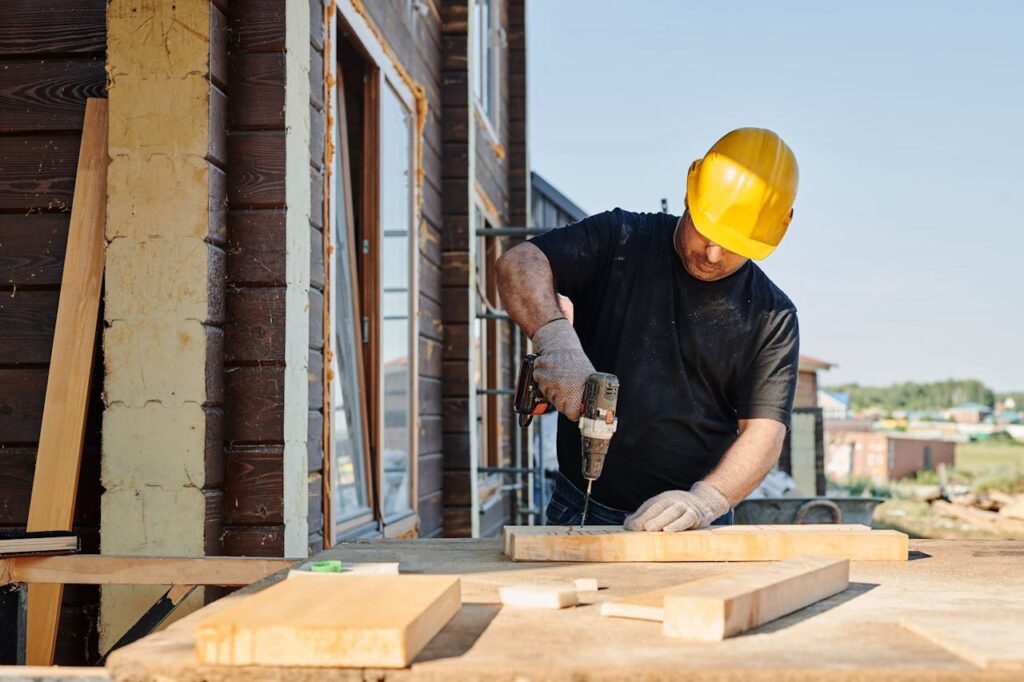
Ask a builder for a timeline and you’ll probably hear a careful range, not a date. That’s because a home comes together on two clocks at once: the months you spend planning, financing, and permitting, and the months of boots-on-the-ground construction. Add weather, inspections, long-lead materials, and last-minute design changes, and the calendar stretches or compresses in ways that surprise first-time builders. The good news is that most of the variance is explainable—and much of it is controllable—if you understand where time really goes.
For a typical new single-family home, expect 3–9 months of pre-construction and 6–12 months of construction for a standard stick-built project. Semi-custom and custom homes trend longer, while factory-built methods like modular or panelized can shorten the schedule significantly once the site is ready. The real answer isn’t a single number; it’s a sequence. When you see the sequence, you can spot bottlenecks early, lock decisions before they snowball, and push your project along the critical path with fewer surprises.
Below is a realistic, builder-grade breakdown of how long it takes to build a house—from first idea to move-in—what slows things down, and what you can do to speed things up without cutting corners.
The Two Clocks You’re Running: Pre-Construction vs. Construction
Before a shovel touches dirt, you’re spending time on financing, land, design, selections, permitting, and bids. Many owners mentally start the clock only when excavation begins. In reality, the earlier phase sets the pace and prevents most downstream delays. Think of it as packing for a long trip: the more deliberate you are before leaving, the fewer detours you’ll hit on the road.
Once construction starts, you move through a predictable series of phases—site work, foundation, framing, rough-ins, insulation and drywall, exterior, interior finishes, punch list, Certificate Of Occupancy. The phases are fairly universal; what changes is the duration of each and the float (flex time) between them, determined by design complexity, labor supply, inspections, weather windows, and how decisively you make choices.
Pre-Construction Timeline (3–9 Months, Typical)
Financing and Budget Lock (2–8 weeks)
Securing a Construction-to-permanent Loan or a mortgage with a separate construction phase requires bank approvals, appraisals, and documentation of plans and specs. Lenders often want your general contractor lined up and a detailed cost worksheet. Expect a back-and-forth while the appraiser checks comps and the bank validates contingency and draw schedules. Getting this right shortens the entire project because it dictates cash flow for deposits on long-lead items.
Land, Surveys, and Soils (1–4 weeks, longer if complex)
Even if you already own the lot, you’ll likely need a boundary and topographic survey, utility locates, and sometimes a geotechnical (soils) report. On sloped or waterfront parcels, add more time for setbacks, floodplain checks, retaining wall engineering, and tree protection plans. These documents flow directly into the architect’s site plan and the structural engineer’s foundation design.
Design and Selections (4–16+ weeks)
Architectural design is iterative. A modest production-style plan revision can take a month; a bespoke custom home with multiple elevations, window packages, and built-in cabinetry can take a season or more. The fastest way to slip your schedule is vague selections. When cabinets, appliances, windows, roofing, tile, and fixtures are “TBD,” the builder can’t order on time. A strong selections schedule—brand, model, finish, and confirmed lead time—pulls weeks off the back end.
Permitting and Approvals (2–12+ weeks)
Permitting speed is local. Some jurisdictions issue residential permits in days; others require plan review meetings, energy modeling, and multiple resubmissions. If you’re in a neighborhood with an HOA or Architectural Review Board, budget extra time for their approvals, which usually need finished elevations, materials palettes, and landscape concepts. Don’t forget septic permits, curb cuts, or wetlands approvals if applicable.
Bidding and Contracting (2–6 weeks)
For a production builder, this is brief—they’re pricing from a known catalog. For custom projects, expect detailed bids, clarifications, and value engineering discussions. The contract phase locks allowances, change-order processes, draw schedules, and start dates. Signing with incomplete plans is how owners end up with price and time creep; make the contract reflect the level of detail you actually have.
Construction Timeline (6–12+ Months, Typical Stick-Built)
Every job is unique, but a realistic cadence for a 2,400–3,000-sq-ft home looks like this. Durations overlap when trades can work concurrently; they stretch when weather or inspections add friction.
Site Prep and Foundation (3–6 weeks)
Mobilization, erosion control, excavation, footings, forms, and foundation walls set the physical baseline of the home. Add time for rock excavation, dewatering, or complex stem walls. After the pour, foundations must cure before framing loads them; many builders begin backfilling, utilities rough-in, and under-slab plumbing during this period to compress the schedule.
Framing and Dry-In (4–8 weeks)
Carpenters stand walls, set floor systems, raise trusses or rafters, and sheath the shell. Windows, exterior doors, and roofing underlayment bring the house to “dry-in,” protecting interior work from the elements. Complex roofs, vaulted spaces, and steel components extend this phase. Good framers run quick; overloaded framing crews extend timelines dramatically, especially in hot markets.
Rough-Ins: MEP + Inspections (3–6 weeks)
Electricians, plumbers, and HVAC techs route mechanicals through the framed shell. Low-voltage, security, and AV rough-ins follow. You’ll have framing and MEP inspections here; in some jurisdictions, each trade has separate approvals. A clean pass keeps the job moving; failed inspections can add a week in rework and rescheduling.
Exterior Envelope and Siding (2–5 weeks, overlaps)
While rough-ins happen inside, exterior crews install housewrap/WRB, flashings, siding, masonry, and final roofing. Weather dictates pace; cold snaps and rain slow masonry and some siding systems. If you pick custom cladding with long lead times, make sure it’s onsite before dry-in.
Insulation, Drywall, and Texture (2–4 weeks)
Insulation depends on your energy code path—batts, blown-in, spray foam, or continuous exterior insulation. After inspection, drywall hangs fast but finishing takes patience. Taping, mudding, and sanding add days for drying and sanding between coats, which can’t be rushed without sacrificing quality.
Interior Finishes: Cabinets, Trim, Tile, Paint (4–10 weeks)
This is the long, detailed center of the schedule. Cabinets and built-ins go in first, followed by interior doors, base and case, stair parts, and ceiling details. Tile setters work baths and kitchens; floors acclimate and install; painters prime and finish. Delays here usually tie back to late selections or re-designs. A single missing vanity can stall countertop templating, which pushes plumbing trim, which delays final inspections.
Mechanical Trim-Out, Fixtures, and Appliances (1–3 weeks)
Trades return to set fixtures—sinks, faucets, toilets, lighting, switches, registers, and thermostats—and start up equipment. Appliances arrive and get installed after floors are protected. Expect a round of minor fixes as systems fire up and reveal adjustments needed.
Punch List, Final Clean, and Certificate of Occupancy (1–3 weeks)
Your builder compiles a punch list: paint touch-ups, hardware tweaks, door adjustments, missing cover plates, caulk gaps. You’ll have final building, electrical, plumbing, and mechanical inspections, plus blower-door tests if required. After the certificate of occupancy (CO) is issued, move-in is on the table. Landscaping and exterior concrete may follow, depending on season.
Real-World Scenarios: What Timelines Actually Look Like
Production Builder Home (1,800–2,400 sq ft)
Pre-construction: 4–8 weeks (lot selection, loan, options meeting)
Construction: 4–6 months
Why it’s faster: Standardized plans, bulk purchasing, dedicated crews, and known inspection sequences. You trade some design freedom for a reliable calendar.
Semi-Custom Suburban Home (2,600–3,200 sq ft)
Pre-construction: 3–5 months (design tweaks, selections, HOA)
Construction: 7–10 months
Wildcards: Custom cabinets or windows with 12–16 week lead times; complex elevations; winter conditions.
Fully Custom Home (3,500–5,000+ sq ft)
Pre-construction: 6–9+ months (architectural design, engineering, permits)
Construction: 12–18 months
Wildcards: One-off details, unique materials, site complexities, and owner-driven changes.
Modular or Panelized Home (1,600–2,400 sq ft)
Pre-construction: 2–4 months (design within system, permits, foundation)
Construction: 3–6 months from foundation start to CO
Why it’s faster: Factory builds modules or panels while the site is prepared; dry-in occurs quickly; less weather risk.
Challenging Site: Hillside, Waterfront, Remote Access
Pre-construction: 4–8 months (surveys, geotech, engineering, approvals)
Construction: 10–16 months
Wildcards: Access for deliveries and cranes, retaining structures, environmental constraints.
What Actually Slows a House Down
Late Decisions and Scope Creep
Every change has a ripple. Move a window after framing and you’ve just touched framing, sheathing, siding, insulation, drywall, paint, trim, and maybe electrical. Multiply that by a handful of tweaks and you’ve added weeks. Lock selections early and resist midstream re-designs.
Long-Lead Materials and Supply Chain Gaps
Windows, specialty doors, custom cabinets, certain roofing, imported tile, and high-efficiency HVAC equipment can carry 8–20 week lead times. If your builder can’t order until financing closes or permits issue, those items hit the critical path. Ordering early—sometimes even before permit issuance, where allowed—keeps the calendar intact.
Inspection Backlogs and Re-Inspections
Municipal staffing ebbs and flows. During busy seasons, inspectors book out days in advance. A failed inspection creates a double delay: rework plus the next available slot. Clean job sites, labeled panels, and ready access help pass the first time.
Labor Market Tightness
A market with few framers or overbooked tile crews forces gaps between phases. Great builders buffer this with scheduling discipline and steady volume that keeps favorite subs loyal, but ultra-tight labor markets still insert idle days.
Weather Windows
Rain doesn’t just stop work; it saturates soil, delaying excavation or slab prep for days. Extreme cold slows masonry and exterior finishes. Extremely hot, windy, or humid days can stall roofing and paint. Planning to dry-in before the worst of the season is an underrated schedule win.
How to Shorten the Timeline Without Regretting It
Front-Load Decisions and Drawings
Resolve floor plans, window packages, door swings, kitchen elevations, appliance specs, and electrical plans before you break ground. A fully dimensioned plan set plus a room-by-room selections sheet is the best schedule insurance you can buy.
Order Long-Lead Items Immediately
Ask your builder for a procurement schedule with order dates for windows, exterior doors, roofing, cabinets, and mechanical equipment. If your lender allows, release deposits early to beat the clock. For items prone to damage (tile, glass), confirm ship windows that align with install dates to avoid storage headaches.
Protect the Critical Path
Some tasks have float—minor delays that don’t move the finish line. Others sit on the critical path—any slip pushes your move-in. Your builder should identify the critical path weekly. Typical critical path items: foundation schedule, window delivery, rough-in completion, inspections, cabinets, countertops, and final power/gas connections.
Keep a Weekly Rhythm
Hold short, agenda-driven owner-builder meetings. Review last week’s completions, this week’s targets, selections needed, and any blockers. Clear decisions within 48 hours. Document changes with signed change orders that state the time impact, not just cost.
Be Realistic About “Fast”
You can compress tasks; you can’t compress curing, drying, or quality. Concrete needs time; drywall mud needs to dry; floor finishes need to harden. Pushing these steps invites defects and Warranty Issues later. Aim to remove idle time, not eliminate essential time.
Inspections, Utilities, and Weather: The Invisible Hand on Your Calendar
Inspections
Most jurisdictions require inspections for footings, foundation, framing, rough electrical/plumbing/HVAC, insulation, and final. Some add energy, fire, and erosion-control checkpoints. Schedule inspections early and prepare for them: clear access, good lighting, printed plans on site, and the right person to answer questions. Passing the first time keeps momentum.
Utility Connections
Final power and gas aren’t guaranteed the day you call. Utility companies operate on their own schedules, and meter installations can add days to weeks. Submit applications early, coordinate trenching and conduit requirements, and verify easements before you pour driveways or patios that might block access.
Weather
Work with seasonal realities. In snow climates, start foundations early enough to dry-in before deep winter. In rainy regions, plan for roofing and siding during historically drier months. Heat and humidity affect paint cure times and floor acclimation. Seasonal planning can remove weeks of dead time.
Sample Timeline Breakdown (2,800-Sq-Ft Semi-Custom, Stick-Built)
Phase Typical Duration Pre-construction (financing, design, permits) 16 weeks Site work and foundation 4 weeks Framing and dry-in 6 weeks Rough-ins + inspections 5 weeks Exterior cladding + roof (overlap) 3 weeks Insulation + drywall 3 weeks Cabinets, trim, tile, flooring, paint 8 weeks Mechanical trim-out + appliances 2 weeks Punch list + finals + CO 2 weeks Total (groundbreak to CO)33–36 weeks (≈ 8–9 months)
This assumes decisions and materials are ready on time, inspections pass on first attempt, and no major weather disruptions. Replace semi-custom with fully custom and you’ll add months to the finishes phase; switch to modular and you’ll shave weeks off framing/dry-in and rough-ins.
Budget vs. Schedule: Why Faster Isn’t Always Cheaper
A shorter build reduces carrying costs (construction loan interest, rent during the build, storage, and repeated mobilization). But paying for overtime, rush shipping, or overstaffed crews can erase those gains. Smart schedule compression focuses on parallel work and early ordering, not on forcing trades to overlap where they’ll trip each other (for example, painting while trim carpenters are still cutting creates rework).
Another hidden budget/schedule tradeoff is customization level. The last 10% of uniqueness can add 30% to the time because every trade has to slow down, measure twice, and rethink usual workflows. Decide whether that bespoke stair, ceiling coffer, or imported stone is worth the added months; sometimes it absolutely is, but it should be a conscious schedule decision.
Owner’s Checklist to Keep the Project Moving
- Finalize plans and selections before breaking ground; issue a consolidated spec book to your builder.
- Approve cabinet shop drawings and window schedules promptly.
- Confirm lead times and ship dates in writing; track them weekly.
- Keep contingency funds available so deposits aren’t delayed.
- Attend weekly site meetings; resolve RFIs within 48 hours.
- Avoid changes after framing unless safety or code requires them.
- Photograph behind walls before insulation for future reference.
- Schedule landscaping and driveway work to follow CO if needed, not in front of it.
- Line up movers, blinds/shades, and internet installs to avoid post-CO dead time.
Frequently Asked Questions
What’s the average time from permit to move-in?
For a standard stick-built single-family home, a realistic range is 6–12 months from permit issuance to certificate of occupancy. Add 3–9 months ahead of that for design, financing, and approvals. Semi-custom homes tend toward the middle; fully custom projects with complex details trend longer.
Can a modular home really be done faster?
Yes. Because modules are built indoors while your foundation is poured, a modular home can often go from set day to CO in 8–14 weeks, with total construction time commonly 3–6 months after site work begins. Pre-construction (design within the system, permits, financing) still takes time, but the on-site phase is much shorter.
Which phases are most likely to cause delays?
Windows, cabinets/countertops, and inspections block progress most often. If windows arrive late, rough-ins can’t finish or pass inspection. If cabinets are late, counters can’t be templated, which delays plumbing trim and finals. Failed inspections compound into multi-week slips due to re-scheduling.
How much time do weather delays really add?
In four-season climates, budgeting 2–4 weeks of weather contingency is reasonable. Starting at the right time of year and prioritizing dry-in before the worst season cuts that exposure. In rainy or hurricane-prone regions, coordination around storm seasons is critical.
Does a bigger house always take longer?
Generally, yes, but complexity matters more than square footage. A smaller house with intricate rooflines, high-end finishes, and custom millwork can outlast a larger but simpler plan. The number of kitchens and baths is a better predictor of finish duration than raw size.
Can paying more speed things up?
Sometimes. Paying for quicker procurement, additional crews at the right moments, or better project management helps. But you can’t buy faster concrete curing or drywall drying without risk. Spend to remove bottlenecks (ordering early, dedicated set crews, reliable subs), not to fight physics.
What’s the single best way to keep my schedule?
Make complete decisions early and stand by them. Nothing beats a fully specified plan and a builder empowered to order on day one. Pair that with consistent weekly communication and you’ll beat the average.
Bottom Line: Build the Timeline You Want
A home doesn’t miss its deadline because of one giant mistake; it slips an afternoon at a time—an inspection that wasn’t ready, a window that wasn’t ordered, a tile chosen after the installer arrived. The timeline you want is built upstream: complete drawings, locked selections, early procurement, and a builder who treats the schedule as a living document. Whether you’re aiming for a streamlined 6–8 month build on a simple plan or a thoughtful 12–18 month custom project, the calendar will honor the clarity of your decisions.
If you’re at the stage of penciling dates, start with two columns—pre-construction and construction—and plug in the durations above based on your method, site, and market. Pressure-test the critical path (foundation, windows, rough-ins, cabinets, counters, finals), then work backward to set order dates and decision deadlines. Do that, and the question “How long does it take to build a house?” turns from guesswork into a plan you can actually live with—literally.