How to Review Floor Plans Like a Developer (Even If You’re Building Just One Home)
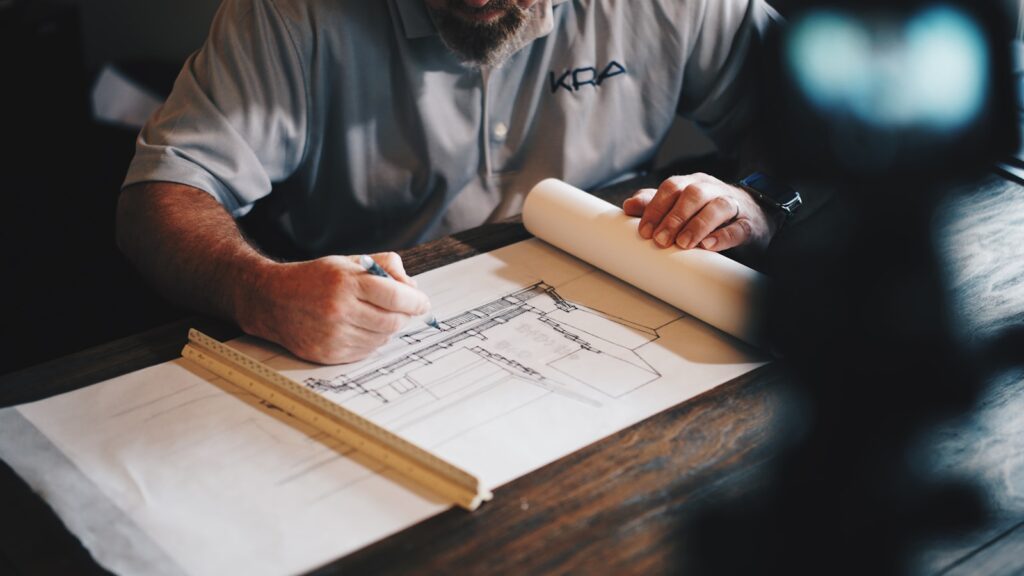
If you’ve ever stared at a floor plan and thought, “It looks nice, but will it live well and build cleanly?”—welcome to the way developers read drawings. Developers aren’t just looking for pretty layouts. They’re scanning for build cost, resale value, constructability, and daily livability—at the same time. The good news: you can learn that lens and use it even if you’re building a single custom home. I’m going to walk you through exactly how to review floor plans like a developer, the same way I’ve done on spec builds, infill homes, and client projects for years. You’ll learn what to circle, what to question, and where the big cost and comfort levers are hiding.
The Developer’s Lens: What You’re Optimizing For
When developers review plans, they filter every decision through four priorities:
- Livability: Workflows, privacy, light, storage, noise, and daily use. Does the home support real life?
- Build cost and risk: Corners, spans, roof complexity, MEP logistics, material choices, and site conditions. What will be hard or expensive to build?
- Resale value: How does the layout match buyer expectations in your market? Which features sell photos and appraisals?
- Time: How the design affects permitting, inspections, change orders, and build sequence.
Balancing those four is the art. If you see a layout that looks slick but seems to require four different roof planes, plumbing scattered across three zones, and a staircase that kills your furniture move-in path—you’ve just caught a developer red flag.
Quick-Start: A 90-Minute Developer-Style Plan Review
You can do a meaningful first pass in 90 minutes. Here’s how I run that session with clients:
- Minutes 0–10: Big-picture fit
- Print plans at 1/4″ scale. Tape them to the wall.
- Check orientation, driveway, garage entry, and main entry. Label north.
- Mark sun path: morning east, afternoon west. Note primary views and privacy risks.
- Minutes 10–25: Circulation and function
- Trace daily routes: from car to kitchen, bed to bath, pantry to cooktop, laundry to closets.
- Use a highlighter to mark hallways and door swing conflicts.
- Quick furniture test: sketch a sofa, table, bed sizes. Include clearances.
- Minutes 25–45: Cost and constructability sweep
- Count exterior corners and roof valleys; circle every jog and bump-out.
- Mark “wet areas” (kitchens, baths, laundry) and check vertical stacking.
- Note spans over 16 feet, any beams, and where bearing lines land.
- Minutes 45–60: Room-by-room checks
- Kitchens: aisle widths, appliance clearances, vent path.
- Baths: toilet clearances, shower sizes, plumbing wall thickness.
- Bedrooms: closet depth, bed wall, egress windows.
- Laundry/mudroom: door swings, bench/hook wall, vent run.
- Minutes 60–75: Systems and code red flags
- Egress in bedrooms and basements; stair rise/run; smoke/CO layout.
- HVAC equipment space and duct paths; dryer vent length; bath exhaust routes.
- Minutes 75–90: Value and resale overlay
- Compare to local comps: storage, bedroom count, office, outdoor living.
- Note 5–8 potential revisions with the best cost/comfort impact.
- Prioritize: mark A (must fix), B (nice to fix), C (leave unless free).
Do this before you get attached to the pretty elevational renderings. Most costs are set by the bones: the box, roof, and systems.
Site and Orientation: The Free Comfort Upgrade
A developer never starts with the kitchen island. They start with the site. Get this right and you win on light, comfort, and energy without spending a dollar more.
- Setbacks and build envelope
- Pull the zoning setbacks and height limits. Draw a bold buildable area rectangle. Force the plan to live inside it early so you don’t chase variances later.
- Verify easements—utility, drainage, tree protection—so you don’t place your future garage in a no-build zone.
- Driveway and slope
- Keep driveway slope under ~12% to avoid scraping and winter headaches. A 10% grade feels steep; 6–8% is friendly.
- If the street is higher than the house, plan for swales or trench drains. Water always wins.
- Sun and views
- Kitchens and living rooms enjoy east/south light. West-facing glass overheats and fades finishes.
- Bedrooms do well on the east or north. Place the kid/guest bedrooms where afternoon heat is softer.
- On narrow lots, push big windows to front and back; use high windows on sides for privacy.
- Weather and wind
- Covered porches: face them where wind won’t turn dinner into a napkin chase. Depth matters: 8 feet minimum; 10–12 feet feels luxurious.
- Utilities and service path
- Where’s the electrical service, water, sewer cleanout? Keep main equipment together when possible (garage wall, mechanical closet) to minimize long runs and future maintenance confusion.
Developer rule of thumb: orientation and site drainage are the cheapest performance upgrades you’ll ever “buy.”
Structural Sanity Check: Frame It In Your Head
Your plan is only as good as the lines it turns into: beams, bearing walls, and spans. Every extra corner or long span costs money twice—once to build and again to fix when it cracks or moves.
- Use a 2-foot module
- Design to a 2-foot grid so studs, sheathing, drywall, and insulation fit without waste. Windows, rooms, and overall dimensions that land on 2-foot increments save cuts and time.
- Align loads vertically
- Stack walls from top to bottom. That primary suite sitting on open air over a glass-wall living room? Expect big beams, heavy posts, and expensive steel connections.
- Span awareness
- Dimensional lumber behaves well up to 16 feet for floors without bounce. Longer spans push you to LVLs, I-joists, or steel. Material alone can add $4–$12 per square foot of floor area when spans jump.
- Corner and jog count
- Each exterior “in-and-out” adds start/stop labor, shear considerations, flashing, and materials. On a typical 2,400 sq ft house, reducing exterior corners from 20 to 12 can save $6,000–$12,000 combined across framing, siding, and roofing, and a month of headaches avoiding water entry.
- Roof simplicity
- Valleys and hips are leak magnets. A simple gable or two clean planes outperforms a spiderweb roof. Each valley adds cut labor, flashing, and long-term risk. Roofers will quietly add dollars every time they see a plan view that looks like origami.
- Stair geometry
- 7-inch rise and 11-inch run with a 36-inch minimum clear width is a sweet spot many jurisdictions accept. Landings at least as deep as the stair width. Avoid headroom surprises by checking both floor-to-floor height and landing positions in section.
When I review a plan, I put tracing paper over it and draw a crude structural grid: bearing lines, joist directions, and obvious beam locations. If it looks like spaghetti, the plan needs simplification.
Mechanical, Plumbing, and Electrical: Stack It, Shorten It, Silence It
Beautiful finishes don’t fix loud bathrooms or 40-foot dryer vents. Developers corral the systems early.
- Plumbing stacks
- Stack kitchens, bathrooms, and laundry if you can. One wet wall serving a stack can cut rough plumbing labor by 15–25%.
- Toilets like 2×6 walls for a comfortable 3-inch stack and vent. If you place toilets on exterior walls, you complicate venting and risk freezing in cold climates.
- Keep water heaters as central as possible. Long hot-water runs add time to hot water and waste. Consider a recirculation loop for runs over ~40 feet.
- HVAC routing
- Supply to exterior walls, returns near interior. Don’t starve bedrooms of returns; either add dedicated returns or provide transfer grilles.
- Two-story homes often perform better with two systems (up/down) or at least zoning. If you insist on one system, plan for dampers and ducts sized for static pressure. Shoving all equipment in an attic is convenient but can raise energy costs 10–20% compared to a conditioned mechanical closet.
- Dryer and bath exhaust
- Keep dryer run under 35 feet equivalent length (use manufacturer tables; elbows count). A sidewall vent near laundry saves headaches and lint cleanup.
- Bath fans should vent outside, not into the attic. Short, smooth, slightly sloping runs prevent condensation.
- Electrical planning
- NEC’s “6/12” rule for receptacles: within 6 feet of a door opening and every 12 feet thereafter in habitable rooms.
- Prewire for EV, solar, generator transfer, and low-voltage runs (Ethernet to office, TV walls, access points in ceiling).
- Dedicated circuits for MW, DW, disposal, fridge, wine fridge, and garage door openers. Switches where your hands naturally fall when you walk in.
- Noise control
- Never place a powder room opening directly to a dining room or living room. Offset or add a vestibule.
- Avoid laundry over bedrooms unless you’re serious about spring isolation and resilient channels. You’ll still hear spin cycles.
Systems are the veins and arteries of the home. Group them and keep them short.
Circulation and Space Efficiency: The Net-to-Gross Reality Check
Developers track how much of your square footage is useful (rooms) versus “moving” (hallways and circulation).
- Target metrics
- Circulation under 12–15% of total area is a good aim for detached homes. If you’re pushing 20%, your plan is paying for space you don’t live in.
- Closet storage: aim for 8–12 linear feet per secondary bedroom, 16–24 in primary.
- Clearances
- Everyday comfort comes from clearances, not square footage. Kitchen aisles at 42 inches (48 if two cooks). Dining: allow 36–44 inches from table edge to wall/obstruction. Bathrooms: 30 inches clear at toilets centerline (15 inches each side of center), 21 inches in front. Door swings should not collide with fixtures.
- Door logic
- Verify all swing arcs. Consider pocket doors where permissible (laundry, pantry, Jack-and-Jill baths) to eliminate swing conflicts. Solid-core doors where privacy and sound matter.
- The “luggage test”
- Imagine carrying luggage from the front door to each bedroom. Are you pinballing through narrow halls or corners? That test never fails to reveal tight spots.
Track hallway lengths and door conflicts with a highlighter. Trimming 6–10 feet of hallway often frees budget for better finishes or windows.
Envelope, Windows, and Doors: Daylight, Efficiency, and Cost Discipline
Windows sell a home, but they also set your energy load and budget. Use them like a pro.
- Standard sizes win
- Pick a manufacturer and stick to their standard sizes. A few odd sizes can blow lead times and unit costs. For common vinyl/wood-clad windows, expect $450–$1,200 per unit standard; custom shapes and mulled assemblies can double that.
- Window-to-wall ratio
- Keep a balanced approach: around 15–25% of wall area as glazing in living areas feels bright without massive energy penalties. West-facing glass is the most punishing for heat gain.
- Sill heights and egress
- Bedroom egress: net clear opening of 5.7 sq ft (5.0 at grade floor), minimum height 24 inches, minimum width 20 inches, maximum sill height 44 inches above finish floor. Check your local amendments.
- Door sizes
- 3-0 x 6-8 (36×80 inches) for main entries and high-traffic interior doors. 2-8 works for minor closets. I prefer 3-0 doors on main levels for aging in place; the cost delta is small.
- Overhangs
- 16–24-inch eaves protect siding and windows, reduce splashback, and temper sun. It’s a cheap life-cycle win that many modern boxes foolishly skip.
- Envelope simplification
- Every plane change needs flashing attention. Align floors to reduce step-ins and outs. Fewer corners mean better airsealing.
Think in elevation early: line up windows on the outside but keep head heights consistent inside to simplify headers and trim.
Roof and Water Management: Design for the Day It Rains Sideways
Nothing kills a project faster than water issues. Developers are cynical about water for good reason.
- Roof forms
- Favor simple gables or a shed-roof strategy that drains predictably. Limit valleys, dead valleys, and crickets.
- Minimum slopes per roofing type matter. Don’t push low-slope roofs without committing to proper membranes and detailing.
- Gutters and downspouts
- Ensure downspouts drop to grade where water can escape, not onto lower roofs or behind columns. Plan for underground drains if you’re on a small lot.
- Decks and doors
- Keep door thresholds well above deck surfaces or design recessed pans. Zero-threshold looks great but requires careful detailing and a commitment to drainage.
- Attic ventilation and insulation
- Conditioned attic or ventilated attic—pick a strategy and follow through. Half-and-half is trouble. If equipment is in the attic, I lean toward a sealed, conditioned space for performance and serviceability.
If you see a roof plan with ten valleys and four different pitches, your future self will wish you’d simplified it.
Room-by-Room Developer Checklist
A room can look large on paper but live badly. Here’s how to proof it like a pro.
Entry and Mudroom
- A bench and hooks wall of at least 6 feet. If you can’t sit and kick off shoes, the space will turn into a pile zone.
- Coat closet near the front door and seasonal storage near the garage.
- Clear 5×5 feet at the front door so guests aren’t squeezing around a swing arc.
Kitchen
- Aisles: 42 inches minimum; 48 inches for island working aisles.
- Appliances: 15 inches landing space on handle side of fridge; 15 inches each side of cooktop if possible; 24 inches landing next to the oven.
- Island size and seating: 24 inches per stool, 15 inches knee depth at 36-inch height.
- Vent path: Short, straight, and out through a wall or roof with a proper cap. Downdrafts are compromises.
- Pantry: A true 4×6 walk-in beats a long run of upper cabinets for daily function.
- Trash/recycle: Dedicated pullouts. If you forget, you’ll pay later in daily frustration.
Estimated costs: mid-tier cabinets $250–$350 per linear foot; quartz counters $60–$100 per square foot; appliances $6,000–$20,000 package depending on brand tier.
Dining
- Size to your real table. For an 84×40-inch table, allow roughly 12×14 feet to circulate comfortably.
- Avoid traffic cutting through the space if you can; diners dislike being bumped.
Living/Great Room
- Sofa wall: at least 11–12 feet. Verify TV wall width and outlet/cable.
- Window balance: flank the fireplace or TV with consistent window heads to anchor the room.
- Duct and return placement: keep supply registers away from where you sit to dodge drafts.
Primary Suite
- Bed wall: allow for a king (76×80 inches) with nightstands. 13–14 feet minimum width is comfortable.
- Bath: 60-inch double vanity is the sweet spot; 66–72 inches is luxury. Walk-in shower at least 42×60 inches if skipping a tub.
- Closet: minimum 7×10 feet for two; 24-inch deep hanging. Add a 30–36-inch drawer stack and a luggage shelf.
Secondary Bedrooms
- Minimum comfortable size is 10×11; 11×12 feels right if you can afford it.
- Closets: true 24-inch depth. Sliding doors work well for usable access; bi-folds go off track.
- Egress windows with proper sill heights; plan furniture around window placement.
Bathrooms
- Toilets need 30 inches clear width and 21 inches clear in front. Place a door so you aren’t greeting the toilet first thing.
- Tub/shower valve placement so you can turn on water without getting soaked.
- Backer blocking in walls for future grab bars is cheap and smart.
Laundry
- Side-by-side needs roughly 6 feet; add 30–36 inches for folding plus a tall cabinet for brooms/cleaners.
- Vent path short and direct. Consider a drain pan with leak sensor.
Office/Flex
- Door position for privacy. If you can see the kitchen sink from your Zoom call, you’ll regret it.
- Prewire data; window for daylight helps productivity.
Garage
- Go wider. A 22×24-foot two-car is the practical minimum; 24×24 is friendly. Add a 36-inch passage door to the yard.
- Mechanical wall for main panels and manifolds. Keep 3 feet clear in front of panels for code and maintenance.
- Consider a small storage alcove for bikes and bins so cars fit.
Outdoor Living
- Covered porch depth 10–12 feet for a table and circulation.
- Gas stub for grill. Fan or heaters depending on climate.
- Privacy from neighbors with window placement and railing height.
Budget Levers: Where Plans Add or Drop Dollars
A developer’s favorite game is value engineering without lifestyle compromise.
- Exterior corners and jogs
- Rough math: every added exterior corner can add $500–$1,500 in framing, siding, trim, and flashing labor/material combined. Complex elevations multiply risk.
- Spans and structural upgrades
- LVLs and steel often add $1,500–$8,000 per location depending on length and bearing. If you can move a post 2 feet to catch a bearing line, do it.
- Roof geometry
- Simplifying from a five-plane to a two-plane roof may save $5,000–$15,000 on a 2,400 sq ft house and reduce leak risk for decades.
- Plumbing distribution
- Consolidating wet rooms can trim $2,000–$6,000 in pipe, labor, and fixtures while making maintenance easier.
- Windows and doors
- Shifting from six custom-sized openings to standard units might save $3,000–$10,000 and weeks of lead time.
- Hallway reduction
- Trimming 40 sq ft of circulation at $200/sf build cost “saves” $8,000 you can put into a better kitchen or porch.
Costs vary by market, but the relationships hold almost everywhere.
Code and Permitting: The “Don’t Get Stuck in Plan Review” Sweep
Plan review delays cost time and money. Catch issues early.
- Egress and life safety
- Bedroom egress windows that meet size and sill height rules.
- Stairs within allowable rise/run; consistent riser heights; handrail returns.
- Smoke detectors in bedrooms and halls; CO near sleeping areas.
- Energy compliance
- If you’re in an energy-code state, ensure the window schedule, insulation, and mechanical efficiency align with prescriptive or performance paths. Document it cleanly.
- Site plan and grading
- Impervious coverage limits; tree protection; drainage patterns. Show slopes away from the foundation.
- Fire separation
- Garage to house walls need type X gypsum and sealed penetrations; door self-closing and rated.
- Accessibility requirements
- Some jurisdictions have visitability or local rules for clearances. If aging-in-place is a goal, you’ll want 36-inch doors and a zero-threshold shower anyway.
Clean, legible drawings and a complete submittal cut permit times. Expect 2–8 weeks in many municipalities; longer in busy seasons.
Resale Psychology: What Buyers Scan For in 30 Seconds
When I walk a spec build with a buyer, they subconsciously check certain boxes:
- Entry and first impressions: light, open sight lines, no immediate view of a toilet or a cluttered drop zone.
- Kitchen hierarchy: island size, pantry presence, appliance brand, undercabinet lighting.
- Primary suite: bed wall, shower size, closet organization.
- Laundry placement: upstairs convenience for two-story homes is a market win.
- Storage: a real mudroom beats Pinterest cubbies that don’t hold anything.
- Work-from-home: an office with a door and data jack is worth more than a “flex” nook.
- Outdoor living: covered space, privacy, and a clear grill location.
- Natural light: consistent window heights and balanced exposure feel higher-end.
Walk your plan imagining a skeptical buyer. Would you pay asking price for the daily experience it offers?
Accessibility and Aging in Place: Cheap to Plan, Expensive to Retrofit
Small design moves make a home welcoming for all ages and abilities.
- 36-inch doors on main level; 42-inch hallways where possible.
- Zero-threshold entry at one exterior door; level shower in at least one bathroom.
- Blocking in bathroom walls for future grab bars.
- Laundry near bedrooms to reduce carrying loads up/down stairs.
- Lever handles and rocker switches.
The cost delta for these choices at design stage is modest and pays back in flexibility and resale.
Acoustics and Privacy: The Invisible Luxury
Quiet sells. Here’s how to plan for it:
- Don’t back a headboard against a bathroom wall with a shower valve. If you must, use offset studs or resilient channel and sound batts.
- Separate powder room access from social spaces with a short hall or pocket door vestibule.
- Avoid HVAC air handlers adjacent to bedrooms unless you’re isolating vibration and sound.
Insulation upgrades are cheap relative to finishes. Prioritize sound batts in bathrooms, bedrooms, and laundry.
Lighting, Switching, and Outlets: The Mood and the Practical
Lighting decisions are more than fixture shopping.
- Layered lighting
- Ambient (recessed or surface), task (undercabinet, reading), and accent (sconces, pendants). Use dimmers generously.
- Switching logic
- Three-way switches where paths connect (stairs, halls). Master off for common lights near the garage door and front entry.
- Exterior lighting
- Light entries, driveway, and porches without blasting neighbors. Add holiday light outlets under eaves and a switch for convenience.
Low-voltage prewire is cheap now and annoying to add later. Include Ethernet to office and media walls, and a couple of ceiling AP drops.
Case Study: Fixing a 2,420 sq ft Two-Story Plan
A real example from a spec I reviewed for a builder client.
- Original plan
- 2,420 sq ft, two-car front-load garage, four beds, 2.5 baths, no basement.
- Exterior had 18 corners and a five-plane roof with three valleys.
- Primary bath and laundry split on opposite sides of the house.
- Kitchen island 36 inches from perimeter; pantry was a cabinet run, not a room.
- Dryer vent path was 42 equivalent feet with four elbows.
- Developer-style changes
- Simplified elevation to 12 corners and a two-plane roof; cleaned up wall jogs.
- Stacked primary bath, hall bath, and laundry over a consolidated wet wall. Moved laundry upstairs adjacent to bedrooms.
- Enlarged pantry to a 5×6 walk-in by reclaiming 20 sq ft from a long hallway.
- Increased kitchen aisle to 44 inches; added 24-inch landing to one side of the cooktop.
- Reoriented fireplace wall for furniture layout; flanked with equal-height windows.
- Shortened dryer vent to 18 equivalent feet by shifting laundry layout.
- Added a 10×12 covered porch instead of a small uncovered slab.
- Impacts
- Estimated construction cost savings: $12,000–$20,000 (framing, roofing, plumbing consolidation).
- Energy performance improved due to simpler roof and tighter envelope.
- Daily usability jumped: better storage, brighter living area, quieter laundry.
- Appraisal comps favored the porch addition and pantry size; resale value improved beyond the cost of the porch.
That’s how developers find dollars and comfort at the same time.
Common Mistakes I See on One-Off Builds (and How to Avoid Them)
- Scattered wet rooms: Increase plumbing cost and leak risk. Stack them.
- Overcomplicated roofs: Looks impressive on paper, leaks in real life. Simplify.
- Hallway-heavy plans: You’re buying corridors. Rework circulation early.
- Tiny mudrooms: A 3-foot bench is decorative. Aim for 6 feet or add lockers.
- Laundry afterthoughts: Long vents, no folding space, noise over bedrooms. Plan it like a kitchen.
- Custom window sizes everywhere: Future delays. Use standard modules.
- Powder room off the kitchen: Move it or add a vestibule.
- No mechanical closet: Dumping everything in the attic is shortsighted in many climates. Reserve a closet; your future HVAC tech will thank you.
A Developer’s Red-Flag Checklist
Use this list every time you open a plan set:
- Exterior corners over 14 on a modest home
- More than two roof valleys
- No stacked bathrooms/plumbing
- Hallways exceeding 15% of floor area
- Kitchen aisles under 42 inches
- Dryer vent equivalent length over 35 feet
- Powder room door visible from main living or kitchen
- Primary bed wall under 12 feet of usable width
- Closets less than 24 inches deep
- Bedroom egress window sill higher than 44 inches
- Stairs failing 7/11 geometry or tight headroom at turns
- HVAC equipment without a serviceable path and platform
- No covered outdoor space in a market that expects it
- Window sizes inconsistent with manufacturer standards
- No space for a real pantry
If three or more are true, pause design development and fix them before spending on details.
Working with Your Architect and Builder: How to Give Notes That Land
The best results happen when you collaborate like a pro.
- Be specific and visual
- Print, redline, and annotate with numbers and arrows. “Move pantry to 5×6 here; reclaim space from hallway” lands better than “bigger pantry.”
- Prioritize decisions
- Identify your top five A-level fixes for each round. Don’t throw 40 changes at once.
- Ask constructability questions
- “How will we frame this corner?” “Where does this beam land?” Good builders will bring ideas; your architect will adjust details.
- Keep a decision log
- Track choices, dates, and reasons. It prevents circling back and undoing earlier wins.
- Respect the phases
- Schematic Design: big moves (stacking, roof, room adjacencies). Design Development: dimensions, window sizes, cabinet layouts. Construction Documents: details, sections, schedules. Don’t swap a staircase in the CD phase unless you want delay and cost.
Expect 4–8 weeks for a typical design cycle with two to three rounds of revisions. Permitting can add 2–8 weeks depending on your jurisdiction.
When to Stop Tweaking
There’s a point where more changes don’t add value. A good signal: you can’t find more than one or two A-level improvements in a review pass, and your notes are down to trim profiles and pendant spacing. That’s when developers lock the plan and move to pricing. Chasing perfection forever only delays the start and erodes budget with change orders later.
Step-by-Step: Run a Full Developer Review on Your Plan
If you want a structured deep dive beyond the 90-minute pass:
1) Prep
- Print at 1/4″ or 3/16″. Gather a scale, red pen, highlighters, and tracing paper.
- Assemble site plan, floor plans, elevations, roof plan, and any sections.
2) Site and orientation
- Mark setbacks, north arrow, views, and drainage arrows. Check driveway slope and sidewalk interface.
3) Structural trace
- On tracing paper, draw bearing walls, joist directions, and likely beams. Circle problem spans and note where loads land.
4) MEP mapping
- Mark kitchen, baths, laundry. Draw vertical stacks. Sketch supply/return paths and mechanical locations.
5) Circulation audit
- Trace paths between key destinations. Measure hallway widths and lengths. Identify pinch points and door conflicts.
6) Room tests
- Furniture block-ins for sofa, table, beds. Check aisle widths and clearances at fixtures.
7) Roof and water
- Review the roof plan. Count valleys and dead ends. Ensure clean drainage paths.
8) Envelope and windows
- Check standard sizes, alignment, and head heights. Verify egress.
9) Code sweep
- Hit stairs, smoke/CO, garage separation, energy notes, and glazing in wet zones.
10) Prioritize fixes
- List A/B/C fixes with a quick rationale and expected benefit (cost save, comfort, schedule). Share with your design team.
This process is how we catch 80% of problems before they cost money.
Real-World Scenarios: Tradeoffs and Choices
- Scenario: You want a dramatic two-story great room.
- Tradeoff: Larger beams, more volume to condition, sound bounce. Consider a 1.5-story with a partial vault over the seating area. Keep a room above part of the space to preserve stacked loads.
- Scenario: The lot is narrow and neighbors are close.
- Move: Push big windows to front/back, use clerestory/glass block on sides, and add an 8–10-foot deep rear porch for privacy screening.
- Scenario: You love glass but live in a hot climate.
- Move: Concentrate glass on north/south faces, use shading on south, minimize west, upgrade to low-SHGC glass strategically. Save some budget by reducing glazing counts rather than downgrading all windows.
- Scenario: You want a showpiece stair.
- Move: Keep the geometry clean and avoid turning landings into circulation tangles. Ensure furniture can still move upstairs. Consider open risers only if code and safety allow and sound transfer won’t ruin bedrooms above.
Timeframes and What Affects Them
- Design: 4–8 weeks with 2–3 revision rounds for a typical custom.
- Engineering: 1–3 weeks depending on complexity and consultant workload.
- Permitting: 2–8 weeks; longer if you need variances or are in a busy city.
- Long-lead items: windows/doors can be 6–14 weeks depending on brand and market conditions. Lock selections early after plan freeze.
Changes late in design can reset engineering and delay window orders. That’s the sneaky schedule killer.
Developer’s Plan Review Template You Can Copy
Use this simple template as a cover sheet when you send notes to your architect/builder:
Project: [Address] Date: [Today] Plan version: [Rev #]
Top 5 A-level changes: 1) [e.g., Stack primary bath above laundry; move laundry upstairs] 2) [e.g., Simplify roof to two gables; eliminate dead valley over garage] 3) [e.g., Expand pantry to 5×6; reclaim from hallway] 4) [e.g., Shorten dryer vent to <25’ eq length by shifting appliances] 5) [e.g., Increase kitchen aisles to 44”; adjust island width]
B-level improvements:
- [e.g., Add pocket door to Jack-and-Jill bath to avoid swing conflict]
- [e.g., Align window heads at 7’-0” for consistent trim]
- [e.g., Move powder room door off living with short vestibule]
Red flags found:
- Exterior corners: [#] target ≤14
- Roof valleys: [#] target ≤2
- Hallway %: [x%] target ≤15%
- Egress checks complete? [Y/N]
- Dryer vent length: [x’ eq]
- Stacked wet areas? [Y/N]
Roles and next steps:
- Architect: revise floor plan per above; update window schedule
- Structural: verify new bearing lines and beam sizes
- Mechanical: confirm equipment location and return strategy
- Owner: confirm appliance specs and porch depth preference
Due dates:
- Revised floor plan by [date]
- Pricing set update by [date]
This is exactly the kind of document that keeps teams aligned and avoids scope drift.
A Few Small Upgrades That Punch Above Their Weight
- Under-cabinet lighting on a dedicated dimmer: makes kitchens feel high-end for a few hundred dollars.
- Extra hose bibs and exterior outlets: every 50 feet of perimeter is a good rule.
- Blocking everywhere you think you might hang something heavy later.
- Quiet bath fans (1.0 sone or less) with timers or humidity sensors.
- Composite or PVC exterior trim in splash zones: reduces maintenance.
What I Always Measure on a First Pass
- Bed wall lengths; island and aisle widths; dining clearances; mudroom bench length.
- Stair rise/run and headroom at turns; landing dimensions.
- Hallway width (aim 42 inches main, 36 inches minimum elsewhere).
- Closet depths (24 inches minimum) and linear feet per bedroom.
- Window sill heights in bedrooms; egress compliance.
- Dryer vent equivalent length.
- Exterior corner count and roof valley count.
Those measurements tell me almost everything about how the home will live and cost.
Bringing It All Together
Reviewing floor plans like a developer is about discipline and a few simple habits:
- Start with site and orientation, not finishes.
- Stack and simplify structure, roofs, and systems.
- Audit circulation and clearances with real furniture blocks.
- Pressure-test kitchens, baths, laundry, and storage with daily-life scenarios.
- Run a focused code and systems sweep to de-risk permitting and inspections.
- Prioritize high-impact tweaks and stop when you’re down to small edits.
Do that, and your plan shifts from “pretty drawing” to a house that builds cleanly, feels great to live in, and sells well—whether you’re a builder doing twenty a year or a homeowner building just one.


