What to Know About Conditional Use Permits for Unique Builds
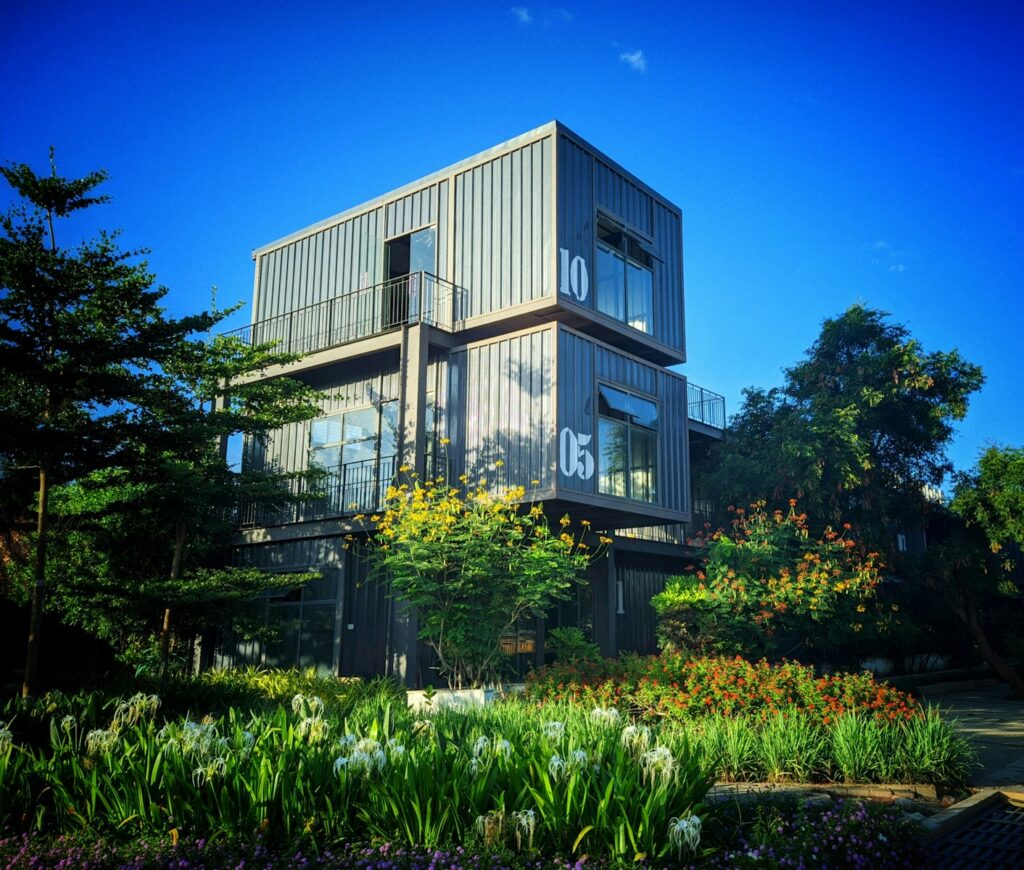
You’ve got a unique build in mind—a container home tucked into a hillside, a barndominium with a tasting room, maybe a tiny-home cluster for multigenerational living—and you’re bumping into three little words at the planning counter: conditional use permit. If you’ve never tangled with one before, it can feel like a moving target. The rules seem squishy, the timelines drift, and neighbors start chiming in. I’ve helped owners and builders through dozens of these. When you understand what cities actually look for and how to shape your proposal, a CUP is less about “convincing” and more about building a clear, defensible case. Let’s walk through it step-by-step.
What a Conditional Use Permit Is (and What It Isn’t)
A conditional use permit (CUP) allows a use that isn’t allowed “by right” in your zoning district but is allowed if you meet specific conditions. It’s a discretionary approval, meaning the city or county can say yes or no based on adopted criteria.
Here’s the landscape:
- Zoning by right: If your project fits the use table and standards (height, setbacks, parking, etc.), you pull Building Permits and go.
- CUP: Your proposed use is allowed only if decision-makers can make “findings” about compatibility, health/safety, traffic, noise, and consistency with the comprehensive plan.
- Variance: A variance gives relief from a specific development standard (like a setback), not from use restrictions. You can’t use a variance to allow a use that’s not permitted.
- Rezoning or zoning text amendment: Changes the zoning map or code itself. Bigger lift, more political, longer timeline.
- Planned Unit Development (PUD) or Specific Use Permit (SUP): Some jurisdictions use these instead of CUPs for complex or master-planned projects.
- Administrative permits: In some places, “minor” conditional uses are approved by staff without a public hearing, often called Administrative CUPs or Minor Use Permits.
Think of a CUP like this: the town is willing to consider your idea, but they want guardrails tailored to your site and operation.
When Unique Builds Trigger a CUP
“Unique” often means you’re pushing outside the typical single-family box or you’re layering an unusual use onto a residential or rural property. Common triggers:
- Atypical dwelling types:
- Shipping container homes, earth-sheltered houses, dome homes, and straw-bale structures may be allowed as single-family residences but often trigger design review or CUP in overlay zones (hillside, coastal, historic).
- Tiny-home clusters or cottage courts sometimes qualify as “cottage housing” or “cluster developments” requiring a CUP.
- Accessory or hybrid uses on residential or agricultural land:
- Event barns, wedding venues, tasting rooms, farm stays, small-scale wineries, and artisanal manufacturing.
- Short-term rentals (STRs) above a certain number of nights or rooms, or full-home STRs in low-density neighborhoods.
- Home occupations with customer visits (yoga studio, small salon, teaching kitchen).
- Live-work units where light fabrication or assembly happens on site.
- Context-sensitive constraints:
- Hillside or slope development, especially where grading, retaining walls, or fire access is an issue.
- Floodplain, shoreline, or coastal zone projects with special overlays.
- High wildfire risk areas (WUI), airport noise/height overlays, or historic districts.
- Site performance issues:
- Reduced parking, shared driveways, or increased traffic.
- Septic system capacity or well reliability where public utilities aren’t available.
- Institutional or community uses in residential zones:
- Churches adding shelters, community gardens, daycare centers, or tiny-home villages as supportive housing.
I’ve seen simple projects unexpectedly trigger a CUP. Example: a custom home on a ridge in a “view corridor overlay” where any roofline over 18 feet required a CUP. The house wasn’t huge, but the slope made a section pop above the protected line.
What Reviewers Need to Find: The Decision Criteria
Every CUP hinges on findings. Most codes boil down to the same themes:
- Compatibility with surrounding uses and neighborhood character
- No significant adverse impacts on traffic, parking, noise, lighting, privacy
- Adequate utilities and public services (water, sewer, fire access)
- Consistency with the comprehensive plan and any specific area plans
- Protection of public health, safety, and welfare
- Compliance with special overlays (floodplain, coastal, hillside)
- Design that’s in scale, massing, and material compatibility, or intentionally mitigated through buffering and setbacks
If you frame your project narrative and plans around these criteria, you’ll help staff write a positive report and give your reviewing body (planning commission or council) the language they need to say yes.
The CUP Process, Step by Step
1) Feasibility and Early Recon
Before you hire consultants, do a feasibility sweep:
- Pull zoning for your parcel. Get the base district, overlays, and any applicable plan documents.
- Ask staff for the specific code section that lists your use as “conditional” or the interpretation for your unique use. Don’t assume.
- Review objective development standards: setbacks, height, lot coverage, FAR, and parking. Note any known red flags (steep slopes, floodplain).
- Scan recent approvals in your city for similar uses. Staff reports are public. You’ll spot patterns in conditions applied.
Pro tip: Book a pre-application meeting. Expect a small fee ($150–$800). You’ll meet with planning, engineering, and fire. Bring a concept site plan, elevations, and an operational summary (days/hours, occupancy, parking counts, deliveries, waste, noise, lighting). You’ll leave with a checklist and a read on whether your idea is viable.
2) Build the Right Team
A strong application answers questions before they’re asked. Depending on your project, assemble:
- Land use planner or entitlement consultant (project management, narrative, strategy)
- Architect and landscape architect (design that fits context)
- Civil engineer (grading/drainage, utilities, stormwater)
- Traffic engineer (parking counts, trip generation, queuing analysis)
- Acoustical consultant (noise impact analysis, especially for venues and mechanical equipment)
- Geotechnical engineer (slope, soils, retaining walls)
- Environmental consultant (CEQA/SEPA in some states; wetland delineation; biological or cultural resource surveys)
- Fire code consultant (turning radii, hydrant spacing, sprinklers)
- Land use attorney (if opposition is anticipated or findings are tricky)
You won’t need them all on day one, but knowing who to call avoids delays. For straightforward residential CUPs, I often keep the team lean: planner, architect, civil, and fire coordination.
3) Prepare a Complete Submittal
Most CUP applications include:
- Application form and fees
- Detailed project narrative aligned to the findings criteria
- Site plan with dimensions, setbacks, topography, contours at 1- or 2-foot intervals if sloped
- Floor plans and elevations, including height calculations and material notes
- Landscape plan and lighting plan (downlighting, color temperature, and cutoff specifications help with neighbor concerns)
- Parking and access plan, turning templates for fire apparatus
- Operational plan (days/hours, peak attendance, staffing, deliveries, waste and recycling, security)
- Technical studies as needed: traffic memo or full study, noise, drainage/stormwater, water/sewer capacity letters, geotechnical report, tree survey/arborist report
- Environmental review attachments (CEQA initial study checklist in CA, SEPA checklist in WA, or local equivalents)
- Photo simulations or 3D renderings, especially for view impacts or unusual design
I structure the narrative like a legal brief but in plain language: one section per required finding, with exhibits referenced. The goal is to let staff cut and paste.
4) Staff Review and Revisions
After submittal:
- Completeness check: 10–30 days. Staff may ask for missing items before starting formal review.
- Technical review: 30–60 days. Expect consolidated comments from planning, traffic, engineering, fire, and environmental. You might have one or two resubmittals.
- Environmental review: If applicable, this runs in parallel. In California, a CUP is discretionary, so CEQA applies. Many small projects qualify for categorical exemptions, but if traffic, noise, or sensitive habitat is involved, plan for an Initial Study and possibly a Mitigated Negative Declaration (MND) with a 20–30 day public review period.
Respond to comments with a short memo that maps each comment to a plan change or explanation. Avoid letting small items languish—they’ll become conditions later.
5) Public Notice and Hearing
Most CUPs require a public hearing. Key steps:
- Mailed notice: Typically to owners within 300–500 feet, 10–20 days before the hearing. Some cities require a site sign and website updates.
- Staff report: Published a week before. Read it line by line. If you disagree with a condition, propose a workable alternative before the hearing.
- Presenting: Keep it tight—5 to 10 minutes. Lead with the project’s benefit, then show how you meet each finding. Use one slide per finding, with a photo or plan snippet. Don’t dodge concerns. Offer mitigation voluntarily where it makes sense.
When neighbors show up angry, I acknowledge their lived experience. “If I lived on Elm Street and parked on-street most nights, I’d worry about spillover too. That’s why we’re committing to a parking monitor on weekends and a cap of 80 guests, written into the permit.” It disarms a room faster than defensiveness.
6) Conditions of Approval
Approval will come with conditions. Typical ones I see:
- Hours of operation (e.g., 8 a.m.–9 p.m. weekdays; 10 a.m.–10 p.m. weekends)
- Occupancy caps based on parking and fire code
- Noise limits (e.g., 55 dBA at the property line after 10 p.m.), with sound monitoring for events
- Parking management (on-site only, valet on peak nights, no street parking)
- Lighting specifications (shielded, 3000K max, auto-off timers)
- Event caps per month, or seasonal restrictions for wildlife
- Improvement requirements (sidewalk, curb ramp, landscaping, fire hydrant upgrades)
- Annual reporting or a 12–24 month review to confirm compliance
- Security plan and neighbor hotline
Conditions are negotiable if you bring data. For example, a traffic engineer can show your true peak trips are lower than a code default. You might agree to a pilot period—stricter at first, with a path to loosen if there are no complaints.
7) After Approval: Compliance and Building Permits
- Read conditions like a punch list. Some conditions are “prior to building permit,” others “prior to occupancy,” and some are ongoing.
- Plan check will verify design-related conditions (landscaping, lighting, fire access).
- Keep a compliance binder: plans, staff report, conditions matrix, contact info for inspectors and planners, neighbor contact log, annual reports.
A CUP is a living thing. If you change your operation, you may need a modification. Keep your planner in the loop; minor tweaks can often be handled administratively.
Timeline and Cost: What to Budget
Every city runs a little differently, but here’s what I see most often in small-to-mid markets:
- Pre-application meeting: 2–4 weeks to schedule; $150–$800
- Application fees: $900–$7,500 for a straightforward CUP; $8,000–$15,000+ in larger metros or complex projects
- Environmental review (if required):
- Categorical exemption: staff time only
- MND/IS: $15,000–$60,000 (consultant + noticing), plus agency filing fees
- Technical studies:
- Traffic memo: $4,000–$12,000; full study: $15,000–$40,000
- Noise study: $3,000–$8,000
- Geotechnical report: $4,000–$12,000 (more for deep borings)
- Drainage/stormwater: $5,000–$25,000 depending on site size
- Entitlement consultant or planner: $8,000–$40,000 depending on complexity and public opposition
- Legal (if needed): $5,000–$25,000
- Total soft costs for the CUP process: $20,000–$150,000+ depending on complexity
Timeframes:
- Simple residential CUP (e.g., hillside home in a small city): 3–5 months
- Moderate project with studies (small event venue or tiny-home cluster): 6–9 months
- Complex, opposed, or environmentally sensitive: 9–18 months
Carrying costs matter. If you own the land with a loan, every month is money. I often build a “decision gate” into the schedule: if the pre-app or first staff review flags a fatal flaw, stop and redesign before costs escalate.
How to Craft a Strong CUP Narrative
I treat the narrative like a guided tour for a planning commissioner who’s never seen your property.
- Start with context: “The 2.3-acre site fronts Oak Road, 600 feet east of Pine Street, with single-family homes to the north and an orchard to the south.”
- Describe the project in plain language: “A three-bedroom, 2,100-square-foot single-family home with a detached 400-square-foot studio.”
- Operations summarized in one paragraph: “The tasting room would operate Fri–Sun, 11 a.m.–7 p.m., with a maximum of 45 guests; two staff on-site.”
- Findings framework: Use the city’s exact finding headings and answer each in 3–6 sentences. Reference exhibits for details.
- Visuals: Include photos looking into and out of the site, street context, and any viewshed concerns.
Most commissioners are community members with day jobs. If you make their decision easy, you’ll see it in the vote.
Neighborhood Strategy: Easing Concerns Before the Hearing
You can’t bulldoze neighbor concerns. The best strategy is early, genuine outreach:
- Host a backyard coffee or on-site walk-through a month before the hearing.
- Bring a one-page flyer with a site plan, photoreal rendering, and 5–7 bullets on operations.
- Ask what would make them comfortable: screening trees, earlier quiet hours, or construction parking on-site only.
- Establish a neighbor hotline and post it on your site sign. Follow up on every call.
When I represented a client converting a barn into an event space, we invited the closest ten households to a mock event—lights on, speakers at proposed levels, parking attendants directing cars. Five of the ten came, and three ended up speaking in support. That evening probably saved three months of process.
Common Mistakes That Sink CUPs
- Vague operations: “Occasional events” invites strict caps later. Be specific and realistic, or you’ll get boxed in.
- Ignoring parking math: Cities default to aggressive parking ratios. Get a traffic engineer to justify reductions or shared arrangements. Offer staff-managed parking for peak times.
- Underestimating fire access: The fire marshal can derail you. Confirm turning radii, hydrant coverage, driveway slope, and water supply early.
- Poorly scaled architecture: Unique can be beautiful, but it has to sit comfortably next to its neighbors. Materials, roof pitch, and massing go a long way.
- Skipping environmental triggers: Wetlands, heritage trees, and habitat areas aren’t negotiable. Do the surveys if there’s any question.
- Arguing with staff in public: Work disagreements out before the hearing. Bring alternatives to conditions rather than venting at the dais.
- Not reading the conditions closely: I’ve seen permits with accidental sunset clauses or impossible timing on improvements. Edit with staff.
Strategies That Improve Approval Odds
- Volunteer reasonable conditions before staff imposes them. It shows good faith and can shape the narrative.
- Tie your project to adopted goals. Quote the comprehensive plan or housing element: “The project advances Policy H-2.1 by diversifying housing types.”
- Offer community benefits. Trail easements, sidewalk infill, native landscaping, or a publicly accessible garden space can sway borderline votes.
- Limit the “ask.” Don’t stack a CUP with a variance and a rezoning unless you have to. Each discretionary action adds risk.
- Design for neighbors. Pull mass away from shared lot lines, reduce second-story windows facing side yards, step foundations with slope.
- Provide sound data. If you claim “quiet,” include decibel measurements. If you say “low traffic,” show trip generation from ITE data.
- Propose a review clause. A 12-month check-in defuses fear about unknowns.
Real-World Scenarios and Lessons
Case Study 1: Hillside Modern Home with a View Corridor
- Location: Suburban city with a Hillside Overlay and View Corridor standards.
- Proposal: 2,800-square-foot home on a 35-degree slope; roof plane pierced the view plane in two spots.
- CUP Trigger: Height in a view corridor and hillside grading beyond the ministerial limit.
- Issues: Two neighbors feared view loss; fire department required a turnaround that conflicted with a heritage oak.
- Strategy:
- Reduced the “view-plane” encroachment by lowering a section of roof and using a butterfly roof.
- Brought a crane on site during the neighbor meeting with a marked pole at roof height to demonstrate view preservation from the concerned decks.
- Coordinated an alternate fire turnaround using grass-paver to protect root zones.
- Conditions:
- Limit construction hours, on-site worker parking, tree protection with an arborist onsite.
- Materials palette with natural wood and muted tones to blend into the hillside.
- Outcome: 6–1 approval. Total CUP timeline: 5.5 months. Extra design changes added roughly $28,000; arborist monitoring $6,500. That was cheaper than a denial and redesign.
Case Study 2: Barndominium + Micro-Event Venue on Ag Land
- Location: Rural county; winery and agricultural processing allowed by CUP.
- Proposal: A barndominium with a 1,500-square-foot event hall for farm-to-table dinners and small weddings, max 80 guests.
- CUP Trigger: Assemblies in ag zones.
- Issues: Traffic on a two-lane road, nighttime noise, parking on harvest weekends.
- Strategy:
- Traffic engineer documented low weekday traffic; events scheduled Fri–Sun afternoons; hard cap on 12 weddings per year.
- Acoustic study proposed speaker placement, limiting outdoor amplified music, and planted bermed landscaping to absorb sound.
- Overflow parking plan and valet for weddings; neighbor voucher program for wine tasting discounts during harvest to build goodwill.
- Conditions:
- Noise limit 55 dBA at property line after 9 p.m., with two portable sound meters and quarterly logs.
- Valet and parking attendants required for events above 60 guests.
- Event calendar published online 60 days in advance; hotline for complaints with 24-hour response.
- Outcome: Approved unanimously. Cost of conditions: berm and landscaping $42,000; sound treatment $14,000; valet services per event $1,500–$2,000. Bookings covered it in the first season.
Case Study 3: Tiny-Home Village on Church Property
- Location: Mid-sized city; supportive housing encouraged in the general plan.
- Proposal: 12 tiny homes with shared kitchen and bathrooms on a church’s back lot.
- CUP Trigger: Group living in a residential zone.
- Issues: Neighbors worried about safety and parking spillover. Fire required 20-foot drive aisles; site was tight.
- Strategy:
- Operations plan with staffing, screening, background checks, and 24/7 on-site manager.
- Parking management: four new spaces on-site, shared-use agreement with a nearby business on weekends.
- Fire access resolved with a hammerhead turnaround and collapsible bollards, plus a dry standpipe.
- Community open house with the church leadership; invited the police community liaison officer to speak.
- Conditions:
- Annual review in year one and three; good neighbor agreement; CPTED lighting standards (shielded, 3000K).
- Resident code of conduct posted and shared with neighbors.
- Outcome: 5–2 approval after a packed hearing. Entitlement consultant fees: ~$25,000; civil/fire redesign: ~$12,000. The project became a local model.
Case Study 4: Container Home Cluster in a Coastal Zone
- Location: Coastal overlay with design guidelines and environmental sensitivities.
- Proposal: Four-container cluster with shared courtyard; modern, minimal design.
- CUP Trigger: Cluster development, plus coastal development permit combined hearing.
- Issues: Design compatibility, glare, and stormwater treatment on sandy soils.
- Strategy:
- Cladding containers with fiber-cement and cedar to soften the industrial look; matte finishes to avoid glare.
- Permeable pavers, bioswales, and a rain garden designed by a landscape architect with native coastal plants.
- Photomontages demonstrating scale next to cottages; offered height step-downs at edges.
- Conditions:
- Dark-sky compliant lighting; coastal habitat buffer; construction staging plan to protect dunes.
- HOA-like rules for the cluster: banning reflective fencing and rooftop clutter visible from the beach trail.
- Outcome: Approved with two dissenting votes. Coastal permit added 3 months to schedule. Incremental cost for upgraded cladding and landscape: ~$60,000. Worth it to fit context.
Jurisdictional Quirks and Special Considerations
- California CEQA: CUPs trigger CEQA. A categorical exemption (Class 3 or 32) is common for small projects, but traffic thresholds and biological resources can force an MND. Budget time for public comments.
- Coastal zones: Coastal development permits introduce an independent set of policies emphasizing public access, visual resources, and habitat. Expect more design dialogue.
- Wildland-Urban Interface (WUI): Fire code and defensible space drive design—Class A roofing, ignition-resistant siding, additional hydrants, and clear access.
- Floodplains: CUPs in flood areas may require elevating structures, flood vents, and no-rise certifications. Civil engineer early is a must.
- Airport overlays: Height and noise sensitive. Counsel clients against rooftop decks under approach paths; good luck arguing with the FAA.
- Historic districts: A “unique” modern design can work with clear compatibility arguments—proportions, rhythms, materials that reference context without faking history. Expect design board review.
- Texas and southeastern states: Fewer environmental review steps; more emphasis on drainage and traffic. Political dynamics can loom larger than technical issues.
- HOA covenants: A CUP won’t override private restrictions. Check CC&Rs early; I’ve seen approvals torpedoed by HOA architectural committees.
CUP vs. Alternatives: Picking the Right Tool
Sometimes a CUP isn’t your best path.
- Administrative Use Permit or Minor CUP: If your use is minor (small home occupation or accessory unit), ask if there’s an administrative path to avoid a public hearing.
- Temporary Use Permit: For pop-ups or proof-of-concept events. You can gather data (parking, noise) to support a later CUP.
- Specific Plan Amendment or PUD: If your concept breaks multiple rules, a planned unit route offers flexibility but adds time and politics.
- By-right redesign: A clever site plan may stay within ministerial limits. I’ve “won” projects by adjusting roof heights and parking rather than fighting for a CUP.
Permit Conditions: Fairness, Nexus, and Rough Proportionality
Cities can’t just load you up with random conditions. Courts require a nexus and rough proportionality between your project’s impacts and the condition. If staff asks for a $250,000 intersection upgrade for a tiny tasting room, push back respectfully with data:
- Nexus: Does your project create the need?
- Proportionality: Is the scope of the condition in line with the size of the impact?
Most planners are reasonable if you bring alternatives that solve the problem.
Appeals, Denials, and Do-Overs
If your CUP is denied:
- Appeal: Usually to the city council within 10–15 days. Bring new information or revised conditions. Appeals add 30–90 days and fees ($500–$2,500).
- Redesign and resubmit: Often the best path. Address the hot-button issues, reduce intensity, and try again in 3–6 months.
- Litigation: Rarely worth it for small projects. Legal costs can exceed redesign costs quickly.
- Alternative sites or phasing: Consider a pilot on a different parcel or phasing your program to reduce initial intensity.
If approved with painful conditions:
- Request modification: After operating for 12 months without complaints, ask to loosen a cap or remove a costly monitoring requirement. Bring logs and letters of support.
What Decision-Makers Pay Attention To
Having sat through more hearings than I can count, I’ve learned what actually moves votes:
- Staff recommendation: If staff recommends approval and you accept most conditions, you’re 70% of the way there.
- Clear visuals: Commissioners respond to images more than text. Show how the project sits on the site and how it’s screened.
- Credible experts: A stamped traffic memo beats a casual “I don’t think it’s a problem” every time.
- Neighbor voices: One or two thoughtful neighbors in support outweighs a petition of vague opposition. Early outreach pays.
- Your demeanor: Calm, respectful, specific. Don’t wing it. Bring the team member who can answer detailed questions.
A Practical Checklist to Start Your CUP
- Site and zoning:
- Pull zoning map, overlays, and applicable plans.
- Identify the code section listing your use as conditional.
- Map constraints: slopes, trees, floodplain, easements.
- Team and pre-app:
- Hire a planner or entitlement consultant.
- Book pre-app; prepare concept plans and a draft operations plan.
- Studies:
- Ask staff which studies they’ll likely require; right-size the scope.
- Design:
- Context-sensitive massing and materials; show screening early.
- Fire access path, turning template, and hydrant plan preliminarily vetted.
- Operations:
- Define days/hours, occupancy, staffing, deliveries, waste, noise management, parking program.
- Outreach:
- Identify nearest neighbors; send a friendly letter with your contact.
- Host a small open house or site walk.
- Budget and schedule:
- Set aside contingency: 20–30% of soft costs.
- Build 2–3-week buffers for resubmittals; don’t overpromise to lenders.
Writing an Operations Plan That Calms Nervous Neighbors
Include:
- Contact info and hotline, with response times
- Hours and calendar, including caps for special events
- Parking plan: number of spaces, staff parking locations, valet triggers, ride-share zones
- Noise control: location of speakers, sound limiters, monitoring, indoor-only after certain hours
- Security: lighting, cameras, staff presence, closing procedures
- Waste: dumpster location, pickup times, odor control
- Construction management (during build): staging plan, dust control, worker parking
- Complaint protocol: how issues are logged and resolved, plus an annual summary to staff
People want to know that when something goes sideways, you have a plan and a name.
How Long Will It Take? A Realistic Timeline
Here’s a typical 32–40 week arc for a moderately complex CUP:
- Weeks 1–4: Feasibility, pre-app, neighbor introductions
- Weeks 5–10: Design development, initial studies, draft narrative
- Weeks 11–12: Application submittal and completeness review
- Weeks 13–18: Staff technical review; prepare responses
- Weeks 19–22: Resubmittal and environmental determination
- Weeks 23–26: Public notice and hearing prep; finalize conditions
- Weeks 27–28: Hearing and decision
- Weeks 29–40: Post-approval revisions, building permit submittal
If you need an MND, tack on 8–12 weeks for environmental review and responses to comments. Appeals add another 6–12 weeks.
What Does Success Look Like? Benchmarks and Metrics
I track three metrics for clients:
- Approval ratio: Projects that earn a staff recommendation usually pass 80–90% of the time. If staff recommends denial, odds drop sharply unless you’ve got compelling new mitigation.
- Condition load: I aim for 10–20 conditions for simple projects, 20–40 for complex. When I see 60+, it’s often a sign the project isn’t aligned and needs redesign.
- Post-approval changes: Minimize. The more you tweak after approval, the more you risk triggering modifications and delays.
Builder’s Perspective: How CUPs Affect Construction
- Lock the site plan early. Moving a building pad 10 feet post-approval can trigger re-review if it affects buffers or setbacks.
- Coordinate grading with conditions. Stormwater features and tree protection often dictate construction sequencing.
- Preorder long-lead items tied to conditions—fire hydrants, specific light fixtures, native plant stock.
- Field staff training. Your superintendent should have the conditions binder and know the “do nots” (e.g., no work past 6 p.m., no deliveries before 8 a.m.).
- Schedule inspections around conditions. Some cities require a pre-pour check for infiltration trenches or a landscape inspection before final.
The Human Side: Navigating Politics Without Losing Your Mind
A CUP is not just a technical process. It’s deeply human:
- Listen first. When someone says, “Parking is already a nightmare,” they’re telling you about their stress, not just their driveway.
- Don’t surprise people. Share your plans before they read about them in a notice.
- Leave a little on the table. If you negotiate everything down to the last inch, you’ll lose goodwill.
- Document everything. Polite follow-up emails after conversations keep everyone accountable and curb rumors.
Quick FAQs
- Do container homes always need a CUP? No. As a single-family residence, a container home may be by right if it meets residential design standards and building codes. But overlays (hillside, historic) can trigger a CUP or design review.
- Can I get a CUP for a short-term rental? Depends on jurisdiction. Some cities allow it by right up to a certain number of nights; others require a CUP for whole-home STRs or for multi-bedroom rentals.
- How long does a CUP last? Many are permanent unless revoked for non-compliance. Some are time-limited or require renewal (often for event venues or STRs).
- Can conditions be changed later? Yes, through a modification request. Staff can approve minor changes; major changes may require another hearing.
- What if my neighbor lies at the hearing? Stay calm. Address factual errors with data (“We have 27 on-site spaces; staff verified”), and offer to meet after the hearing to walk through concerns.
Templates You Can Borrow
Use these as starting points. Tailor to your jurisdiction’s requirements.
CUP Narrative Outline
- Project summary (2–3 paragraphs)
- Site description and context (include photos)
- Operations summary (hours, occupancy, staffing)
- Findings responses:
- Compatibility
- Traffic and parking
- Noise and lighting
- Utilities and services
- Environmental and overlay compliance
- General plan consistency
- Exhibits list (plans, studies, renderings, letters of support)
Neighbor Letter Script
Hi [Name],
I’m [Your Name], and I own [address]. We’re proposing [brief description: “a small tasting room open Fri–Sun, 11–7, and a four-bedroom home”]. Because our project needs a Conditional Use Permit, we want to meet you early, answer questions, and hear concerns.
We’re planning an informal open house on [date/time] at [location]. You’ll be able to see the site plan, parking, and how we’re handling noise and traffic. If you can’t make it, I’m happy to drop by with materials at a convenient time.
My cell is [number], and email is [email]. We’ll also have a neighbor hotline during operations for any issues.
Looking forward to meeting you, [Name]
Operations Plan Checklist
- Contact + hotline
- Hours and calendar
- Occupancy and staffing
- Parking and valet triggers
- Delivery hours and routes
- Waste and recycling, dumpster location
- Noise controls and monitoring
- Lighting spec and timers
- Security: cameras, patrol, closing procedures
- Complaint response and annual reporting
Final Thoughts from the Trenches
A CUP is less about fancy arguments and more about disciplined preparation. The strongest applications feel inevitable: the design fits, the operations are modest and clear, the studies back you up, and the neighborhood knows you by first name. When you lead with transparency and tailor your project to the place, approval usually follows.
If you’re on the fence about hiring help, at least get a few hours with an entitlement consultant to map your path, identify likely conditions, and budget realistically. Spend your money where it matters—traffic, fire access, and neighbor relations have the biggest payoff. And remember: you can build unique without being a nuisance. That’s the sweet spot a CUP is meant to find.

