Understanding Temporary Use Permits for On-Site Storage or Trailers
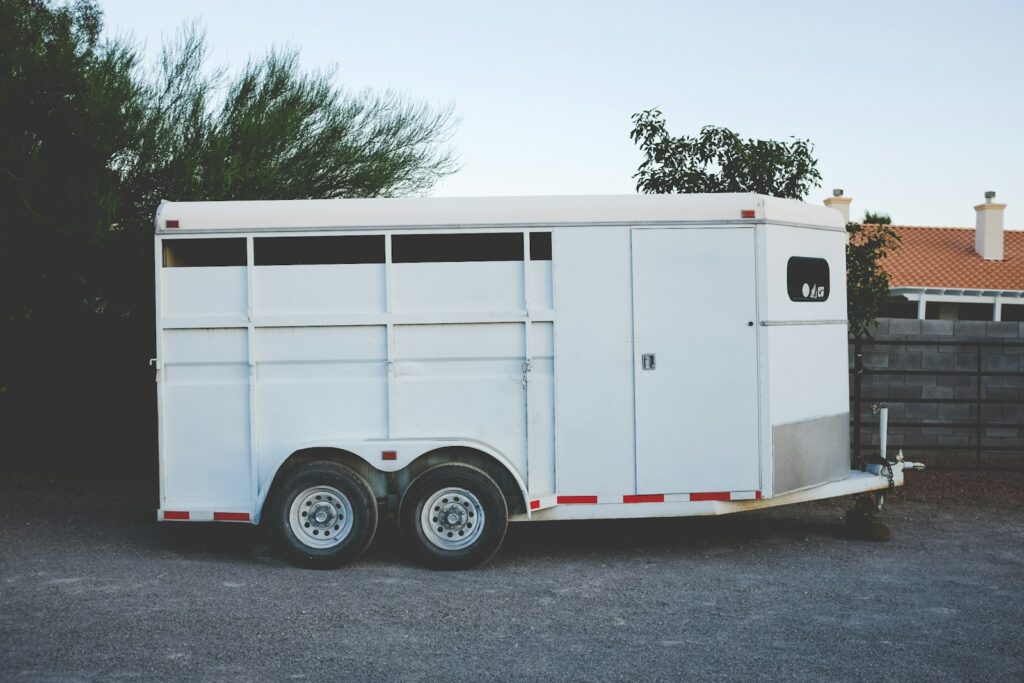
Picture this: your renovation is about to start, the demo crew is mobilized, and the POD shows up at 8 a.m. You slide it into the driveway… and by lunchtime a citation is taped to your door. Or you’re a builder delivering a jobsite office for a subdivision, only to learn it needs a fire access clearance you didn’t account for. I’ve watched both scenarios play out more times than I can count. Temporary use permits (TUPs) aren’t glamorous, but they’re the quiet backbone of running clean, legal, headache-free projects when you need on-site storage or trailers. Let’s walk through how they actually work, what to expect, and how to get yours approved without drama.
What a Temporary Use Permit Actually Is
A temporary use permit allows a short-term use or structure on a property that isn’t otherwise allowed under normal zoning or building code rules. It’s commonly used for:
- Shipping containers or on-site storage units (PODs, conex boxes)
- Construction office trailers or sales trailers
- Portable classrooms or temporary retail units
- Temporary sheds or modular structures that aren’t permanent
- Trailers with temporary occupants (construction administration, sales staff, security)
- Storage associated with a project (materials, furniture during renovation)
Think of it as a time-limited hall pass. The city or county is agreeing: “You can place this storage unit or trailer here for X days/months under Y conditions, then you remove it.” For any unit tying into power, water, or sewer, the TUP usually triggers separate electrical/plumbing permits. And if it’s going to sit in the public right-of-way (street, sidewalk), you’ll need an encroachment/ROW permit instead of or in addition to the TUP.
Typical durations:
- Residential storage container: 30–90 days, sometimes up to 6 months with renewal
- Construction office trailer: duration of the building permit or 6–24 months with renewal
- Seasonal retail storage (e.g., holiday inventory): 60–120 days
- Disaster recovery: often expedited and longer (6–12 months), depending on local emergency declarations
When You Need a Permit (And When You Might Not)
There’s no single rulebook, but here are common triggers that typically require a TUP:
- Placement longer than a stated threshold (often >3–7 days for containers visible from the street)
- Placement anywhere in front setbacks, on public view, or in an easement
- Units over a certain size (common thresholds: >120 sq ft or >200 sq ft for unconditioned storage)
- Any unit used by people as an office or for sales
- Any connection to power, water, or sewer (temporary power poles included)
- Placement in the public right-of-way (street, alley, sidewalk, parking lane)
- Units near fire hydrants, blocking fire lanes, or impacting required parking
- Commercial sites with public access
When you might not need a TUP:
- Very short-term container drop (e.g., 24–72 hours) fully on private property, not in setbacks, not blocking view triangles, and permitted by HOA
- Backyard tool shed under the exempt size, not visible from street, placed temporarily during a permitted project (local interpretation varies)
- Enclosed yard in an industrial zone with by-right outdoor storage and no public impact
If you’re unsure, a 10-minute call to the planning counter can save a red tag.
The Most Common Temporary Structures, Explained
Shipping containers / on-site storage units
- Use: secure storage for tools, materials, personal items during renovation
- Sizes: 10′, 20′, 40′ containers; PODs range ~8’x7’x12’ or similar
- Pros: fast delivery, lockable, weather-resistant
- Watch-outs: setbacks, sight triangles, anchoring in high-wind areas, fire access, appearance/HOA rules, and not blocking drainage
Construction office trailers
- Use: project admin, sales office, site meetings
- Pros: workspace near the action
- Watch-outs: ADA access, temporary power, fire extinguishers, exiting, tie-downs, sanitary facilities, water/sewer for public-facing uses
Temporary sales/leasing trailers
- Use: new subdivision sales, leasing offices
- Watch-outs: parking, signage permits, ADA upgrades, accessible route, landscape screening, hours of operation
Portable toilets (as part of a TUP)
- Usually covered under the building permit/site setup plan, but their placement matters: not in setbacks or near storm drains without proper controls
Temporary storage tents or fabric structures
- Use: overflow storage or weather protection
- Watch-outs: flame-retardant certification, setbacks to property lines and buildings, anchoring/ballast, wind ratings, fire lane clearances
Who Regulates What: The Departments Involved
- Planning/Zoning: checks land use, setbacks, visibility triangles, screening, parking
- Building Department: reviews structural stability, tie-down/anchoring, ADA, exiting
- Fire Department: access, hydrants, combustibles, extinguishers, distances
- Public Works/Engineering: right-of-way issues, drainage, stormwater, erosion controls
- Utilities: temporary power, meter locations, clearances
- Health Department (occasionally): sanitation if trailer includes restrooms or food service
On one subdivision project, we got almost everything right—except we put the trailer too close to a hydrant. The fire marshal required a 3-foot clear radius around hydrants and no obstructions in the 5′ approach. That one oversight cost a half-day crane and a reset fee.
Key Rules to Get Right Before You Place Anything
- Setbacks: Front yard setbacks are often 15–25 feet, sides 3–10 feet, rears 10–25 feet. Temporary structures often have to respect these, especially in residential zones.
- Sight distance triangles: Don’t block visibility at driveways and intersections. Cities guard these fiercely.
- Fire access: Keep 20 feet clear width for fire lanes, 13’6″ vertical clearance, 3 feet clear around hydrants. Maintain turning radii.
- Easements: Avoid drainage, utility, and access easements. Utilities will remove your unit if it blocks their easement access.
- Drainage and stormwater: Don’t block swales. Keep containers off soft ground, use pads or blocks, add silt fence or wattles if you’re disturbing soil.
- Floodplains: Units in flood zones often need anchoring or elevation.
- ADA: Any trailer serving the public (sales, leasing, customer service) needs an accessible route (typically 1:12 slope ramps, proper handrails, 60″ landings).
- Electrical safety: Temporary wiring follows NEC Article 590—GFCI on receptacles, weatherproof fittings, proper cable protection.
- Fire safety: Portable fire extinguishers (minimum 2A:10B:C) in trailers; proper clearances from buildings if storing combustibles.
- Duration and removal: Have a clear end date and plan for removal. Many jurisdictions require a removal bond or written commitment.
Step-by-Step: How to Get a TUP Approved Smoothly
1) Clarify your use and duration
- What are you placing (container, trailer)?
- How long will it be there?
- Private property or public right-of-way?
- Any utilities needed (power/water/sewer/internet)?
- Public access or employees only?
2) Call planning/zoning early
- Ask if your address and use qualifies for a TUP, how long, and what fees apply.
- Confirm setbacks, screening, and visibility triangle rules before you draw anything.
- If near the right-of-way, ask whether an encroachment permit is required.
3) Prepare a simple site plan to scale
- Include property lines, building footprint, driveways, sidewalks, hydrants, and easements.
- Show exact placement with dimensions to property lines and structures.
- Show fire access lanes and ramp/steps for trailers.
- Indicate temporary power pole (if any), erosion controls, and lighting.
4) Gather documentation
- Owner’s authorization letter (if you’re a contractor/tenant)
- Trailer drawings/specs: size, tie-down/anchoring method, ramp/steps
- Manufacturer data plate for shipping containers (if requested)
- Fire plan notes: extinguisher size/locations, clearances, no smoking signage if required
- Traffic control plan if in right-of-way (MUTCD-compliant)
- Proof of insurance and contractor licenses if needed
- Photos of the site can help reviewers understand constraints
5) Submit application and pay fees
- Many jurisdictions accept online submittals.
- Typical base fees: $100–$600 for a straightforward residential container; $200–$1,200 for commercial/jobsite trailers.
- If in a big metro, expect plan review hourly charges (often $120–$200/hour) in addition to base fees.
6) Plan review
- Review timelines vary: small towns 2–5 business days; big cities 10–20 business days.
- Respond quickly to comments. Common corrections: move away from setbacks, maintain fire lane width, add ADA ramp detail, clarify power source, add erosion control notes.
7) Schedule inspections
- For office trailers, you may get a placement inspection and then a final once utilities are connected.
- For containers, inspectors often verify location, anchoring (if required), and access clearances.
8) Keep permit on-site
- Post the permit where it’s visible or keep a copy in the trailer/container.
- Inspectors will ask to see it.
9) Manage renewals
- Put renewal dates on your calendar. Apply for extensions 2–4 weeks before expiration.
- Some jurisdictions allow one extension; others allow multiple with justification.
10) Removal and close-out
- Remove the unit before the permit expires.
- Restore any disturbed areas: fill, seed, repair sidewalk or curb, remove temp power.
What It Costs (Realistic Budgeting)
Here’s a ballpark breakdown for a typical project in the U.S. Keep in mind, costs vary by region and agency:
- Application fee:
- Residential storage container: $100–$350
- Commercial/site trailer: $200–$1,200
- Right-of-way encroachment: $250–$1,500 plus traffic plan review
- Plan review hourly charge (if applicable): $120–$200/hour
- Fire department review fee (occasionally separate): $75–$300
- Electrical permit for temp power: $50–$250 plus electrician cost
- Temporary power pole and hookup: $500–$1,500 installed
- Office trailer rental: $300–$800/month; setup/delivery $500–$1,500; removal $300–$800
- ADA ramp and steps (rental or purchase): $1,000–$4,000 depending on height and length
- Storage container rental: $120–$200/month; delivery/pickup $100–$200 each way
- Portable toilet service: $100–$175/week; handwash station $60–$90/week
- Bond or deposit (some cities): $250–$5,000, returned after removal if site is restored
- Traffic control/barricades for ROW placement: $300–$1,200/week depending on complexity
On one mixed-use project, our all-in temporary setup for two office trailers with power, communications, ramps, and permits ran roughly $16,000 upfront and about $1,800/month ongoing, not including staff time. The surprise line item? Relocating the ramp to get a compliant landing outside the parking drive aisle.
Timelines You Can Actually Plan Around
- Pre-application call: Same day
- Prep site plan and documents: 1–3 days (simple) to 1–2 weeks (complex sites)
- Plan review:
- Small city/county: 3–7 business days
- Large metro: 10–20 business days
- Disaster recovery or seasonal rushes can slow things; some agencies offer expedited review for a premium fee
- Inspection scheduling: 1–3 business days after request, depending on department
- Typical total time from first call to placement:
- Residential container: 1–2 weeks
- Commercial office trailer: 2–4 weeks
- Right-of-way placement: 3–6 weeks (traffic plan complexity adds time)
Plan your deliveries accordingly. I’ve had containers show up early and sit on the truck accumulating standby charges while we waited on a final inspection window—an expensive way to learn patience.
Safety and Code Basics You Shouldn’t Skip
Even temporary structures must be safe. These aren’t abstract rules; they’re the ones inspectors actually enforce.
- Anchoring and stability:
- Containers are heavy, but in high-wind areas they can slide. Use manufacturer-recommended tie-downs or wheel chocks for mobile trailers. In flood zones, anchoring may be mandatory.
- Fire safety:
- Keep 20 feet clear for fire lanes.
- Maintain a 3-foot clearance around hydrants.
- Provide at least one 2A:10B:C fire extinguisher in each trailer; larger trailers may require more depending on size and hazards.
- If storing flammables, comply with the International Fire Code rules on quantities and separation.
- Electrical:
- Temporary power follows NEC Article 590. GFCI on receptacles, weatherproof covers, appropriate grounding.
- Cords protected from vehicle traffic; no daisy-chaining of power strips for space heaters (inspectors love citing this).
- ADA access:
- Public-serving trailers need a compliant ramp (1:12 slope, 36″ min clear width, 60″ landings) and level platform at the door.
- Door hardware must be operable without tight grasping or twisting; threshold limited.
- Egress:
- Don’t block exit doors with furniture.
- Required exit signage and emergency lighting if the space is occupied by the public or multiple staff.
- Stormwater and erosion:
- Keep dirt off the street.
- Use silt fence, wattles, or stabilized construction entrances if you’re moving soil around.
- Lighting and security:
- Adequate lighting for safety; avoid glare into neighbors’ windows.
- Locking hardware: consider puck locks or bolt-on lockboxes for containers.
- Hazardous materials:
- If storing paints, solvents, or fuels, check quantity thresholds. Label containers. Keep Safety Data Sheets on-site if required.
According to the National Insurance Crime Bureau, construction equipment theft in the U.S. costs between $300 million and $1 billion annually, with low recovery rates. A locked container isn’t a vault. Pair it with lighting, site fencing, and a camera or alarm where feasible.
Right-of-Way Placement: A Different Animal
If your plan is to put a container or trailer in a parking lane or partially on the sidewalk, you’re not dealing with a TUP alone—you’ll need an encroachment or right-of-way (ROW) permit. Expect:
- A traffic control plan (TCP) designed to MUTCD standards
- Detours or protected pedestrian paths if you’re affecting sidewalks
- Limited hours for deliveries or removals (off-peak)
- Additional insurance naming the city as additional insured
- Higher fees and bonds
- Strict timelines and daily penalties if you exceed permit limits
I once had a retail client take delivery of a container on a Saturday morning without the barricades specified in the TCP. By 10 a.m., code enforcement had them paying for a rush barricade delivery and traffic control crew. It was a costly weekend.
Working with HOAs and Neighbors
HOAs can be stricter than the city. Common HOA rules:
- No visible storage containers from the street
- Time limits (e.g., 3–7 days)
- Pre-approval from the architectural committee
- Specific placement (behind gates only)
Tips that keep the peace:
- Notify neighbors before placing a big container in the driveway. A friendly heads-up goes a long way.
- Keep noise and early-morning delivery windows reasonable.
- Clean up dust and debris daily if your unit is part of a renovation.
- Position doors of containers away from the street for better security and appearance.
Insurance and Risk Management
- General liability: Often required by cities for commercial placements; $1–$2 million typical.
- Inland marine or property coverage: Covers tools and materials stored in containers or trailers.
- Builder’s risk: May include coverage for temporary structures; verify with your insurer.
- Additional insured endorsements: Some cities require being named on your policy for ROW permits.
- Theft deterrents: Lighting, cameras, GPS trackers inside valuable tool chests, serial number recording, secure locks.
I treat containers like a decoy: valuable, easy-to-pawn items don’t sit at the door. Heavy items go up front; light, cheap bulk materials by the door. It slows smash-and-grab theft.
Real-World Scenarios
1) Homeowner kitchen remodel with a POD in the driveway
- Plan: 8′ x 16′ POD, 60-day renovation window.
- Actions: Called planning—no TUP if under 30 days and behind the front setback, visible from street allowed with HOA approval. Since they needed 60 days, they filed a simple TUP with a $150 fee and a site plan showing the container placed 18 feet from the sidewalk, not blocking the sidewalk or driveway sight line.
- Outcome: Permit issued in 4 business days. They scheduled delivery after the effective date. No surprises.
2) General contractor setting an office trailer for a commercial TI
- Plan: 10′ x 40′ office trailer with two workstations, power, and internet, project duration 8 months.
- Actions: Submitted TUP, electrical permit for temporary power, ADA ramp specs, fire extinguisher plan. Kept 20-foot fire lane, 3-foot hydrant clearance, and accessible route from parking.
- Cost: TUP $450, electrical permit $120, trailer rental $600/month, ramp rental $2,300, setup $1,100. Temp power pole and hookup $1,200.
- Outcome: Two-plan-review cycles due to a missing landing dimension on the ramp. Total time to approval: 2.5 weeks. No field corrections.
3) Retail seasonal storage container during holidays
- Plan: 20′ container behind the store, 90 days for overflow inventory.
- Actions: The city allowed seasonal TUPs but required screening (privacy fence) and maintaining required parking counts. They re-striped to convert two extra spaces into a screened area.
- Cost: TUP $300, fencing rental $400, re-striping $900.
- Outcome: Inspection flagged that the container door opened into the fire lane. They rotated the container 90 degrees the same day and passed re-inspection.
4) Subdivision sales trailer
- Plan: 12′ x 56′ sales trailer with public access, 18 months.
- Actions: Full TUP, ADA ramp and parking stall, portable restroom with weekly service, signage permit, landscaping around base skirting. Added small deck to create a level transition.
- Cost: TUP $900, ramp $3,600, skirting/landscape $1,800, portable toilet $140/week, power $1,400.
- Outcome: Required a six-month renewal. They applied for extension 30 days before expiration, no added conditions.
Common Mistakes That Trigger Red Tags
- Placing in an easement: Utilities will force relocation. Always check your survey or call 811 and your city’s GIS maps.
- Blocking sight triangles: If cars can’t see, you’re moving it. Keep corners clear.
- Assuming HOA approval is automatic: It isn’t. Get it in writing.
- Skipping ADA for public-facing trailers: Inspectors check slopes with levels.
- Underestimating ramp space: You need proper landings; small lots can’t accommodate steep short ramps.
- No room for fire apparatus: Keep 20 feet clear width for access roads and 3 feet around hydrants.
- Temporary power shortcuts: Ungrounded cords, missing GFCIs, or exposed wiring are instant failures.
- Forgetting the end date: Expired TUPs can mean fines and a sour relationship with the city.
- Placing on soft ground: Containers settle and tilt. Use compacted base or blocks.
- Blocking drainage: Units in swales create neighbor disputes fast.
How to Speed Up Approval
- Submit a clean, dimensioned site plan with setbacks and clearances labeled.
- Include photos and notes explaining constraints and your mitigation.
- Pre-coordinate with the fire marshal if your site is tight.
- Use standard, pre-engineered ramp systems with spec sheets.
- Provide manufacturer cut sheets for tie-downs and trailer details.
- Bundle related permits (electrical, ROW) in one package if possible.
- Respond to comments within 24 hours—showing urgency often moves your file up.
I’ve shaved a week off review time simply by including a one-page “Code Compliance summary” on the cover: setbacks, fire lane widths, ADA slopes, and a note on extinguishers. It answers the reviewer’s top questions right away.
What Reviewers Like to See on Your Site Plan
- North arrow and scale (1″=10′, 1″=20′, or metric equivalent)
- Property lines with dimensions, and adjacent street names
- Existing buildings, driveways, sidewalks, hydrants, utility boxes, and known easements
- Proposed container/trailer location with size and orientation
- Distances to property lines, buildings, hydrants, and fire lanes
- ADA route (if applicable), ramp details, slope arrows, and landings
- Temporary power pole location and trench/overhead path
- Erosion control measures and drainage flow arrows
- Notes: “Maintain 20′ fire access,” “3′ clear around hydrant,” “No storage outside container”
Renewals and Extensions
- Apply 2–4 weeks before expiration; extensions are usually discretionary.
- Be prepared to justify continued need (project delays, supply chain issues).
- Check if fees are reduced for extensions; sometimes you’ll pay a smaller renewal fee.
- Inspectors may verify the site again before extending.
On a multifamily rehab, we requested two extensions for a sales trailer due to staggered building completions. The key was showing progress photos and a revised timeline. The city appreciated the transparency and approved both.
After Removal: Don’t Forget Close-Out
- Remove ramps, skirting, tie-downs, and any temporary signage.
- Patch asphalt or concrete if you installed anchors.
- Restore landscaping and drainage swales.
- Terminate temporary power at the source and close the electrical permit.
- If you had a bond, schedule a final inspection to trigger its release.
I keep a “decommissioning punchlist” and a few before-and-after photos. It helps if there’s any dispute about damage.
Special Conditions and Edge Cases
- Flood zones: Anchoring or elevation might be required. In some floodways, temporary structures aren’t allowed at all.
- Historic districts: Aesthetics and visibility matter. Screening or specific placement away from street view may be mandated.
- Schools and public facilities: Expect extra layers of review, security requirements, and limited delivery windows.
- Airports and rail corridors: Height, reflectivity, and proximity limits; coordinate early.
- Wildland-urban interface (WUI): Enhanced fire clearance may apply; watch vegetation.
Practical Checklists
Quick Pre-Application Checklist
- What: Container, office trailer, sales trailer, or tent?
- Where: Private property or public right-of-way?
- Duration: Start and end date?
- Utilities: Need power, water, sewer?
- Access: Public or staff only?
- Site: Setbacks, hydrants, easements, drainage, and ADA feasibility
- HOA: Approval process and timeline?
Submittal Checklist
- Application form and fees
- Owner authorization
- Scaled site plan with dimensions and clearances
- Trailer/container specs and tie-down details
- ADA ramp and landing details (if applicable)
- Temporary power plan, electrician info
- Fire safety notes and extinguisher locations
- Traffic control plan (ROW only)
- Insurance certificate (if required)
Field Setup Checklist
- Mark final location with paint or stakes
- Confirm clearances: setbacks, hydrants, fire lanes
- Stable base: blocks or compacted pad
- Install ADA ramp/steps with proper slope and landings
- Temporary power installed per NEC, GFCIs, weatherproof covers
- Fire extinguisher mounted and accessible
- Keep permit on-site and visible
- Photograph setup for your records
Ongoing Compliance
- Keep the area clean and well-lit
- Test GFCI outlets monthly
- Inspect ramp and steps weekly for stability and slip hazards
- Maintain clear access routes and hydrant clearance
- Renew permit ahead of expiration
- Keep neighbors informed during long projects
Frequently Asked Questions
- Can I put a container in my driveway without a permit?
- Sometimes for short durations (a few days) and if not blocking visibility or public ways. Longer than a week or two often triggers a TUP. Always check your city and HOA first.
- Do I need ADA ramps for a construction office trailer used only by staff?
- If no public access and the employer can provide reasonable accommodations otherwise, some jurisdictions allow flexibility, but federal ADA obligations still apply. Public-serving trailers always need access.
- How long can a temporary sales trailer stay?
- Commonly tied to the project timeline or capped at 6–18 months with option to renew.
- Can I run extension cords from a building to a trailer?
- It’s not best practice. Temporary wiring must meet NEC Article 590; hardwired temporary power with proper protection is the safer, code-compliant route.
- What about placing containers in the street?
- You’ll need a right-of-way permit and a traffic control plan. Expect higher costs and stricter rules.
- Are there size limits on temporary storage?
- Many places limit size or number of units, especially in residential zones. Commercial and industrial zones are more flexible but still enforce clearances.
- What happens if my permit expires while my trailer is still on-site?
- You risk citations, fines, and forced removal. Apply for extensions before the expiration date.
- Do I need a fire sprinkler in a trailer?
- Not usually for small, temporary office trailers. But larger modular buildings or public assembly spaces may trigger additional fire requirements. The fire marshal has the final say.
Small Design Choices That Make Life Easier
- Orient container doors away from public view and toward a secure yard or building wall.
- Place the trailer where deliveries won’t block customer or resident traffic.
- Use composite decking or anti-slip treads on ramps and steps; wet plywood is a slip hazard.
- Add a motion light and camera pointed at the door side of the container.
- Put your permit expiration date on a bright tag taped inside the trailer door at eye level.
A Note on Data and Enforcement
Reviewers and inspectors aren’t out to get you—they’re trying to keep sites safe and predictable. If you address the top 10 issues (setbacks, fire access, ADA, power, drainage, sight lines, easements, stability, sanitation, and duration), you’ll sail through most reviews. The National Insurance Crime Bureau’s estimate of $300 million to $1 billion in annual construction equipment theft is a sober reminder that a legal setup and a secure setup are both part of doing it right.
Putting It All Together: A Practical Workflow You Can Reuse
1) Define the use, duration, and whether public access or utilities are involved. 2) Check zoning and HOA rules; identify setbacks, easements, hydrants, and drainage. 3) Create a scaled site plan with all clearances marked. 4) Assemble specs: trailer/container, tie-downs, ADA ramps, power. 5) Submit TUP and related permits; pay fees. 6) Respond quickly to plan review comments. 7) Schedule delivery only after permits are issued. 8) Set up with stable base, ADA access (if needed), extinguishers, and compliant power. 9) Keep the site tidy, well-lit, and secure; monitor expiration dates. 10) Remove on time and restore the site; close out permits and recover bonds.
You don’t need to be a permitting guru to do this well. You just need a repeatable process and the discipline to follow it. Every time I’ve been tempted to skip a step—like “we’ll figure out the ramp on site”—it’s cost more in time and money than doing it right on paper.
If you’re planning your first TUP, start with a quick call to planning, sketch a clean site plan, and build yourself a simple checklist. Set reminders for expiration dates. Keep your reviewers happy with complete information, and they’ll return the favor with a quick approval. That’s how you keep projects moving, clients calm, and your mornings free of surprise citations taped to the door.