How to Prepare for a Green Building Certification Inspection
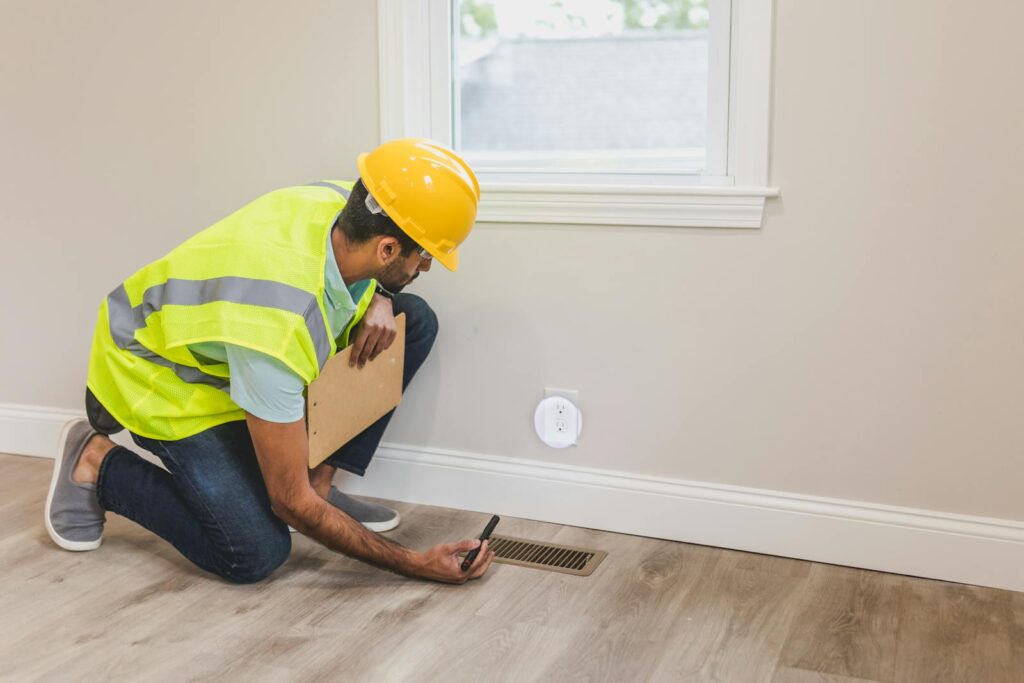
Embarking on the journey to achieve a green building certification can feel like entering a new realm of construction and environmental responsibility. Whether you’re a seasoned developer or a homeowner aiming for that coveted seal of sustainability, preparing for the inspection can be a daunting task. However, with the right approach and a clear understanding of what’s involved, you can navigate this process smoothly. Let’s dive into the essentials of getting your building ready for a green certification inspection, ensuring that you’re well-equipped to meet the standards and impress your inspector.
Understanding Green Building Certification
Before diving into preparation, it’s crucial to grasp what green building certification entails. Certifications like LEED (Leadership in Energy and Environmental Design), BREEAM (Building Research Establishment Environmental Assessment Method), or WELL Building Standard offer frameworks for designing, constructing, and operating buildings in an environmentally sustainable manner. Each has its own criteria and scoring system that covers a variety of factors such as energy efficiency, water usage, air quality, and material sourcing.
Why Pursue Certification?
Pursuing certification isn’t just about putting a plaque on the wall. It can increase property value, lower operational costs, and provide healthier environments for occupants. Moreover, it demonstrates a commitment to sustainability and can differentiate your building in a competitive market. For instance, a study by the U.S. Green Building Council found that LEED-certified buildings have been proven to save owners 20% in operating costs.
Choosing the Right Certification
Choosing the right certification depends on several factors: the type of building, its location, and your specific sustainability goals. For example, LEED is popular in the U.S., while BREEAM is more common in Europe. Assess your building’s needs and consult with a green building consultant to decide which certification aligns best with your objectives. It’s worth noting that each certification scheme has different levels or grades, such as LEED Certified, Silver, Gold, and Platinum, which can influence your strategy and investment.
Preparing for the Inspection
Once you’ve decided on the certification, it’s time to prepare for the inspection. This phase involves detailed planning and execution, ensuring that all elements of your building align with the certification criteria.
Gather and Organize Documentation
Documentation is the backbone of your certification application. Start by collecting all necessary paperwork:
- Design and Construction Plans: Ensure these are up-to-date and reflect any changes made during construction. It’s advisable to keep a log of any design modifications and the sustainability rationale behind them.
- Materials and Product Data: Gather data on all materials used, focusing on their sustainability credentials. This includes recycled content, VOC levels, and sourcing information. Suppliers can often provide environmental product declarations (EPDs) that can be critical during the review.
- Energy and Water Usage Reports: Compile records or projections of your building’s energy and water usage. You might need to use specific software or hire a specialist for accurate modeling. Consider energy simulation software like EnergyPlus or eQUEST.
- Waste Management Plans: If you’ve implemented waste reduction strategies during construction, document these with photos and data. Show how waste was minimized and recycled, and keep records of disposal receipts.
Organizing these documents in a digital format, such as a shared drive, can streamline the inspection process and prevent last-minute scrambles. Utilizing project management tools like Trello or Asana can help keep track of documentation progress and responsibilities.
Conduct a Pre-Inspection Audit
A pre-inspection audit can highlight potential issues before the official inspection. This step involves:
- Third-Party Review: Engage a green building consultant to conduct an informal review of your building. Their expertise can uncover areas that might require improvement. They may use tools like thermal imaging to spot inefficiencies or air leaks.
- Internal Walkthroughs: Conduct your own audits with the construction and design teams. Check against the certification checklist to ensure all requirements are met. Use checklists provided by the certification body as a guide.
Optimize Building Performance
Inspectors will look at your building’s performance, not just its design. Here’s how you can ensure your building is operating efficiently:
- HVAC Systems: Regular maintenance checks and tuning of your HVAC systems are crucial. Make sure filters are clean and the system is operating optimally. Consider commissioning a test and balance report to ensure system efficiency.
- Lighting and Electrical Systems: Use energy-efficient lighting solutions and ensure that Daylighting Strategies are correctly implemented. Consider installing occupancy sensors to reduce energy consumption in unoccupied spaces.
- Water Systems: Check for leaks and ensure that all water-saving fixtures are functioning properly. Low-flow faucets and dual-flush toilets can significantly reduce water usage.
Educate Your Team
Every team member should be aware of their role in the certification process. Conduct training sessions to:
- Explain Certification Goals: Make sure everyone understands what the certification means and what’s required to achieve it. Share success stories from similar projects to motivate your team.
- Highlight Key Areas: Focus on areas that need special attention during the inspection, such as energy systems or waste management strategies. Use visual aids like diagrams or flowcharts to illustrate complex systems.
- Practice Communication: Train staff on how to communicate effectively with inspectors, providing clear and concise information. Role-play scenarios can help prepare for potential questions from inspectors.
Address Common Challenges
Several common challenges can arise during the certification process. Here are ways to address them:
- Budget Constraints: Green building initiatives can be costly. Prioritize high-impact measures that offer the best return on investment. Consider incentives or rebates available for sustainable building practices. Research local government grants or tax breaks for green construction.
- Time Management: Certification processes can be time-consuming. Develop a detailed timeline and stick to it, allowing buffer time for unexpected delays. Use Gantt charts to visualize your project timeline and deadlines.
- Complex Requirements: Navigate complex requirements by breaking them down into manageable tasks. Use project management software to keep track of progress. Assign specific tasks to team members with clear deadlines.
During the Inspection
When the big day arrives, ensure everything runs smoothly by being well-prepared and organized.
Set the Stage for Inspectors
First impressions matter. Make sure your building is presentable:
- Clean and Tidy: Ensure the premises are clean and free from construction debris. A well-organized site reflects a well-managed project.
- Operational Systems: All systems should be operational and easily accessible for inspection. Label systems and provide access points for inspectors.
Guide the Inspection
Designate a knowledgeable guide to accompany the inspector:
- Provide Context: Explain the rationale behind design choices and sustainability strategies. Discuss how specific features contribute to the building’s overall performance and sustainability.
- Be Transparent: If there are areas that fall short, be upfront and explain how you plan to address them. Honesty can build trust and show commitment to improvement.
Be Ready for Questions
Inspectors will likely have questions. Prepare your team to:
- Answer Clearly: Provide precise answers and refer to documentation when necessary. Have a digital or printed copy of all relevant documents on hand.
- Demonstrate Features: Be ready to demonstrate how specific systems work, such as energy monitoring tools or automated lighting. Live demonstrations can be more convincing than verbal explanations.
After the Inspection
The work doesn’t stop after the inspection. Post-inspection efforts are crucial in securing your certification.
Review Feedback
Inspectors will provide feedback, which may include areas for improvement:
- Analyze Findings: Carefully review the feedback and identify critical areas that need attention. Hold a team meeting to discuss findings and brainstorm solutions.
- Develop an Action Plan: Create a plan to address any deficiencies, set deadlines, and assign responsibilities. Prioritize tasks based on impact and feasibility.
Submit Additional Documentation
You might need to submit additional documentation or evidence post-inspection:
- Compile Documents: Quickly gather any missing information or additional evidence requested by the inspectors. Keep track of submission deadlines to avoid delays.
- Timely Submission: Ensure all documents are submitted within the given timeframe to avoid delays in certification. Use a checklist to ensure nothing is overlooked.
Celebrate and Maintain
Achieving certification is a significant milestone:
- Celebrate Success: Acknowledge the hard work of your team and celebrate this achievement. Consider hosting an event or issuing a press release to highlight your accomplishment.
- Ongoing Maintenance: Green certification is not a one-time achievement. Implement a maintenance plan to ensure ongoing compliance with sustainability practices. Schedule regular reviews and updates to your building systems.
Real-World Scenarios and Examples
To illustrate the preparation process, consider these real-world examples:
Example 1: The Office Complex
A mid-sized office complex in downtown Chicago aimed for a LEED Silver certification. They faced challenges with older HVAC systems that didn’t meet energy efficiency requirements.
- Solution: They upgraded to a modern, energy-efficient system, which reduced energy usage by 20%. The initial investment was recuperated through energy savings in three years.
- Key Takeaway: Investing in efficient systems not only helped in certification but also resulted in long-term savings. Additionally, tenants reported increased comfort, leading to higher satisfaction and occupancy rates.
Example 2: The Residential Building
A residential building in San Francisco sought a WELL certification to improve occupant health and comfort. The challenge was integrating natural light into the existing structure.
- Solution: They installed skylights and used reflective surfaces to maximize daylight. This not only improved light penetration but also enhanced the well-being of residents.
- Key Takeaway: Simple design changes can have a significant impact on both certification and occupant satisfaction. The project also saw a reduction in electricity used for lighting, further enhancing its sustainability credentials.
Additional Considerations and Tips
Engage Stakeholders Early
Involving stakeholders from the start can ensure that everyone is aligned with sustainability goals. This includes architects, engineers, contractors, and even future occupants. Hosting workshops or meetings to discuss objectives and gather input can be invaluable.
Leverage Technology
Utilize technology to streamline the certification process. Building information modeling (BIM) can help visualize and simulate building performance. Energy management systems can provide real-time data to demonstrate compliance with energy efficiency standards.
Stay Informed
Green building standards and technologies are constantly evolving. Stay informed about the latest trends and updates in the field of sustainable construction. Joining professional organizations or attending seminars can provide valuable insights and networking opportunities.
Monitor and Adjust
After achieving certification, monitoring building performance is crucial to maintaining sustainability. Use data analytics to track energy usage, water consumption, and indoor air quality. Adjust systems and operations as needed to ensure optimal performance.
By understanding and preparing for the nuances of green building certification, you can turn a complex process into a rewarding journey. Remember, it’s about more than just meeting standards—it’s about creating spaces that are better for people and the planet. With the right preparation, you’ll not only pass that inspection with flying colors but also pave the way for a more sustainable future.

