Should You Add a Basement to Your New Build? When It Does—and Does Not—Make Sense
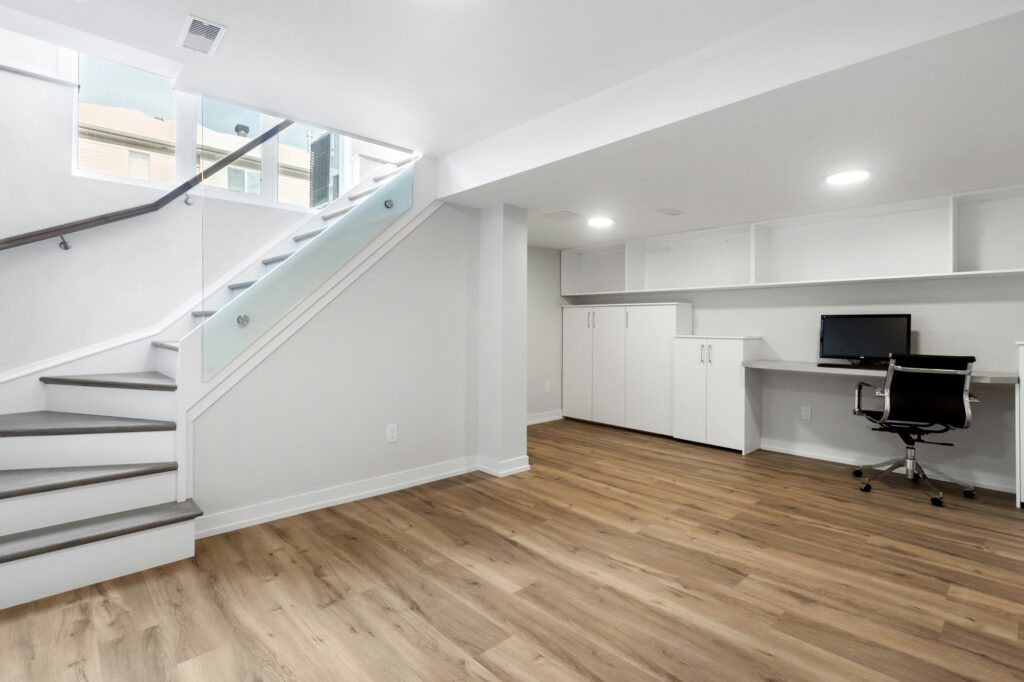
When you’re planning a new home, the “basement or no basement” question seems simple until you start pricing excavations, talking about water tables, and realizing how much square footage, insurance, and long-term maintenance are tied to what you do below grade. In some regions, a basement is an easy value win that creates living space at a reasonable cost per square foot. In others, it’s a moisture headache and a budget balloon that will fight you for decades. The right answer depends on your climate, soils, site slope, and what you actually need the space to do.
This guide gives you a builder-grade, homeowner-friendly framework: when basements shine, when they backfire, how to budget and waterproof them properly, and how to compare them to slab-on-grade and crawl spaces. You’ll learn the essentials—drain tile, sump pumps, egress, radon control, ICF foundations, walkout basements, and more—so you can choose based on performance and total cost of ownership, not tradition or guesswork.
The Short Answer
A basement makes sense when you have deep frost lines, moderate to low groundwater, decent soils, and you’ll use the space for real functions—bedrooms with legal egress, a family room, a gym, a shop, or mechanicals that free up the main floor. It shines on sloped sites where a walkout basement gives you daylight and easy exits, turning “below grade” into prime space at a discount compared to above-grade additions. It also helps in jurisdictions where basement square footage doesn’t count toward FAR (floor area ratio) caps.
A basement does not make sense when your water table is high, soils are expansive or collapse-prone, flood risk is meaningful, seismic detailing is costly relative to benefit, or your climate and market overwhelmingly prefer slab-on-grade. If the space will sit unfinished and humid with tubs of holiday decor, you may be better served by a bigger garage, conditioned storage over the garage, or a single level with a bit more footprint.
How Basements Add Value
Basements can be the cheapest way to add conditioned square footage. The shell—excavation, foundation walls, slab, insulation, and waterproofing—is typically less per square foot than building up or out, especially if you already need footings below frost depth. They also hide mechanicals, water heaters, manifolds, and electrical panels where noise and service don’t intrude on living areas. When finished with proper moisture and thermal control, basements can feel as comfortable as any other level while supporting flexible uses like media rooms, guest suites, or home offices.
Resale often rewards thoughtful basements. In many northern and midwestern markets, buyers expect them, and appraisers support value for legally finished space (with egress and adequate ceiling height). Even unfinished, a dry, well-lit basement signals quality and offers future expansion potential. The trick is to design for comfort from day one—planning daylight, stair placement, ceiling height, and bulkhead routing—rather than treating it as an afterthought.
When a Basement Makes Sense
Basements are especially compelling in cold climates with deep frost lines where foundations must already go deep. If you’re excavating for footings below, say, 42–60 inches, the marginal cost to go the rest of the way to a full basement can be smaller than you’d expect compared to the livable area you gain. They’re also a natural fit on hillside lots that support daylight or walkout designs, eliminating the “cave” feeling and making emergency egress straightforward.
They shine when your program needs more space but zoning or setbacks restrict expanding the footprint. If FAR limits don’t count basements, you can tuck a guest suite, playroom, or studio under the main level without blowing your allowable massing. Finally, basements are useful where storms are a risk—tornado alleys or hurricane-adjacent interiors—providing a safer interior zone when detailed correctly.
When a Basement Does Not Make Sense
Basements are a poor fit on lots with a high water table, in mapped floodplains, or with soils that swell and shrink dramatically (expansive clays) unless you’re prepared for specialized engineering and active drainage. In many Gulf Coast, desert, and coastal markets with shallow frost lines and sandy or saturated soils, the cost and risk of a basement outweigh the benefit. Seismic regions can also add complexity: taller, heavily reinforced walls, hold-downs, and lateral systems may erase any cost advantage versus building up.
If your plan is a low-maintenance, single-level home with zero-step entries and aging-in-place priorities, a slab-on-grade may be functionally superior. And if your local market doesn’t value finished basements (or treats them as second-class space), you might spend dollars that won’t return on resale. In very small lots where excavation access is limited or spoils hauling is expensive, the logistics alone can tilt the math toward simpler foundations.
The Cost Math: Basement vs. Slab vs. Crawl
Think in “systems,” not line items. A slab-on-grade concentrates dollars in excavation (minimal), perimeter footings, slab base prep, vapor control, and above-grade framing. A crawl adds perimeter stem walls, a short excavation, drainage, and ground moisture control. A basement adds full-depth excavation, haul-off, taller walls, waterproofing, drain tile, a slab, insulation, and more stringent detailing at penetrations.
Rule of thumb: a full, unfinished basement might add a mid-teens percentage to your shell cost versus slab, but it can cut your cost per finished square foot if you plan to finish it, because walls and roof above don’t grow. A walkout with windows and doors increases finishes and structural detailing but elevates the livability and appraisal credit. Pricing swings with soils, water management, and access, so request bids with identical scopes: wall type (poured, CMU, ICF), waterproofing spec, insulation location, and drainage.
Site and Soil Realities You Can’t Ignore
Your geotechnical report dictates your strategy. If tests show shallow bedrock, expansive clays, collapsible loess, or perched groundwater, don’t guess—engineer. On high water table sites, you either elevate the house and skip the basement, accept continuous sump operation (with backup power) and premium waterproofing, or choose a shallow foundation that reduces hydrostatic pressure on walls. On sloped lots, basements become easier and safer because drainage can daylight by gravity rather than relying solely on pumps.
Plan the spoils. Excavation generates a mountain of soil you can’t always hide on site. Hauling costs, access for large equipment, and protecting neighboring improvements all factor in. If your driveway or street can’t support heavy trucks, you’ll spend more on logistics. Time excavation and waterproofing to seasons when dewatering is minimal; digging into spring groundwater is asking for delays and cost creep.
Structural & Waterproofing Systems That Work
Most modern basements perform when you respect two truths: concrete is not inherently waterproof, and water will always win the long game unless you give it an easier path. Choose a wall system and detailing that anticipate that reality.
Wall types. Poured concrete is common and strong; CMU can be economical with proper cores grouted and reinforced; ICF (insulated concrete forms) deliver structure and continuous insulation in one pour, simplifying thermal control and reducing condensation risk. With any system, include vertical and horizontal steel per engineering, proper footing design, and attention to wall-to-slab joints.
Water management. Install continuous drain tile (perforated pipe in washed stone) at the footing’s exterior where possible, wrapped in filter fabric and pitched to daylight or a sump. In tight urban or retrofit conditions, interior perimeter drains can work but surrender the exterior soil to saturation. Coat the exterior with true waterproofing (elastic membrane), not just dampproofing, and protect it with drainage board. Add a robust capillary break between footing and wall and under the slab (thick poly + taped seams over a compacted, free-draining base).
Sumps and backups. If you need a sump, install a high-quality pump with a battery or water-powered backup and a high-water alarm. Discharge to daylight where allowed and route lines to avoid freezing. The goal is a system that survives power outages and storms—the exact conditions that put basements at risk.
Moisture, Air Quality & Radon
Basements live at the intersection of earth, water vapor, and indoor air. Control vapor and pressure differentials and you control mold, odors, and comfort. Start with a sub-slab vapor barrier that is actually vapor-tight (10–15 mil, taped), seal slab penetrations, and use continuous insulation on walls so interior surfaces stay warm enough to avoid condensation.
Plan for radon even if your map shows low risk. A cheap passive sub-slab depressurization system (vent stack from sub-slab gravel up through the roof) can easily be converted to active with a fan if post-construction tests read high. It’s much harder to add later. Keep the basement slightly dehumidified in humid seasons; a dedicated unit with a drain is inexpensive insurance for finishes and furnishings.
Energy & Comfort: Insulation Strategies That Don’t Fail
You can insulate basements from the exterior, interior, or both. Exterior insulation (rigid foam or mineral wool) keeps the wall mass inside the thermal envelope and reduces condensation risk, but it needs protection above grade. Interior insulation is easier to install but demands the right materials: continuous foam against the concrete with sealed seams, then framed walls with air gaps or additional insulation, and no fiberglass batts directly against concrete where they can soak up vapor.
Aim for continuous R-values that meet or exceed your energy code. In very cold climates, ICF shines by delivering structure and uninterrupted insulation, simplifying the detailing that trips up many basements. Condition the air like any other level: supply registers and returns or transfer grilles so temperatures and humidity don’t drift.
Design Options: Walkout, Daylight & “English” Basements
A walkout basement—where grade falls away on at least one side—transforms below-grade space into bright, usable rooms with regular door access to the yard. This design reduces excavation on the downhill side and eases egress for bedrooms. A daylight or English basement uses partial exposures and light wells at windows to pull sun and views into spaces that would otherwise feel subterranean.
Plan window placement with purpose: cluster larger wells near family areas and bedrooms, keep utility zones tucked into the darkest corners, and locate stairs where they don’t eat prime wall length. If you anticipate finishing later, rough in plumbing for a bath and wet bar, run extra circuits, and design joist layouts to keep future soffits (for ducts and beams) along edges rather than bisecting rooms.
Codes, Egress & Financing Nuances
To count as habitable space, most jurisdictions require minimum ceiling height (often 7′ or more), egress windows or doors for sleeping rooms (clear opening sizes and sill heights matter), adequate light/ventilation, and finished surfaces meeting code. Stairs must meet rise/run dimensions and handrail rules. Plan for these from the start; retrofitting an egress window through a thick wall and deep well after the fact is expensive.
Financing and appraisals often distinguish between finished and unfinished basements. In many markets, finished, code-compliant basement space appraises for less per square foot than above-grade, but it still adds value and loan support. Document your specs for lenders and insurers: waterproofing type, Class A fire ratings on finishes where relevant, and any mitigation features (sump backups, radon system). Clear, code-compliant basements also simplify insurance underwriting.
Construction Timeline & Risk
Basements shift risk earlier in the schedule. Excavation, forming, pouring, waterproofing, and backfilling all happen before framing can fly. Weather windows matter: rain turns holes into ponds, and wet soils collapse or heave. Protect open excavations with shoring where required, cover fresh waterproofing from UV and damage, and schedule inspections (footings, reinforcement, waterproofing) so backfill isn’t delayed.
Coordinate penetrations. Every sleeve for water, sewer, power, and gas through a foundation wall is a future leak path if you don’t seal it correctly. Use cast-in sleeves, non-shrink grout, and elastomeric seals, not a can of foam and hope. Photograph every step—drainage, membranes, insulation—before backfill; those images are priceless if you need warranty or insurance support later.
Maintenance & Ownership Duties
A good basement isn’t “set and forget.” Test sump pumps and backups every season. Keep downspouts extended and grading sloped away from the foundation. Inspect window wells, clear leaves, and ensure well drains aren’t buried. Maintain dehumidifiers and clean filters. If you finish the basement, choose floor and wall assemblies that tolerate occasional moisture events—rigid foam + furring + drywall on walls, non-organic subfloor panels or polished concrete with area rugs rather than carpet pad glued to slab.
Install leak sensors near water heaters, manifolds, and sumps; connect them to a smart hub if you travel. Small, early alarms prevent big claims and mold cleanup. Finally, keep an eye on hairline cracks; most are cosmetic, but if a crack grows, weeps, or displaces, call your engineer or foundation specialist before it becomes a structural problem.
Alternatives to a Basement
If your site or budget argues against a basement, you still have options. A conditioned crawl space with proper vapor control and insulation gives you a service plenum for plumbing and ducts without going full depth. A high-performing slab-on-grade with thickened edges and interior trenching for utilities produces a tight, durable home with zero steps—ideal for accessibility.
For storage and hobby space, consider a detached outbuilding or a taller garage with truss storage or a finished room over the garage (carefully insulated and air-sealed). If storm safety is the driver, a safe room or in-slab storm shelter can deliver protection without a full basement. Each alternative trades excavation risk for exterior massing and site coverage, so weigh zoning and aesthetics alongside costs.
A Practical Decision Framework
Ask and answer these, in order:
- Hydrology: What is the water table seasonally? Any floodplain, springs, or perched water? If yes, how expensive is robust dewatering and waterproofing—and are you comfortable living with pumps?
- Soils & Structure: What does the geotechnical report say about bearing capacity, expansion, and excavation stability? Will you hit rock? Can you daylight drains on a slope?
- Climate: How deep is the frost line? Do local norms and resale favor basements? Are there wildfire, seismic, or hurricane considerations that change the detailing or cost?
- Program: Do you need code-compliant bedrooms, a gym, a studio, or storage that truly benefits from below-grade location? Will finishing be immediate or phased?
- Budget & TCO: Compare bids apples-to-apples: wall system, waterproofing, insulation, drainage, finishing level. Add maintenance (dehumidification, sump replacement) to your long-term view.
- Design Opportunities: Can you get walkout/daylight conditions? Where will egress and windows make the space feel like a real level, not a basement?
- Alternatives: If the basement looks marginal, can a crawl, slab with more footprint, or an outbuilding solve your needs for less risk?
If three or more answers fall in the “hard/expensive/risky” column—high water, bad soils, flat site with no daylighting—skip the basement unless there’s a compelling programmatic reason and you’re ready to spend on best-in-class waterproofing.
Step-by-Step Plan if You’re Leaning Basement
1) Get the dirt facts. Order the geotechnical report and a utility locate. Walk the site after a rain to see natural drainage.
2) Choose the wall system. Price poured concrete vs. ICF; ask for specs that include steel, waterproofing type, and protection boards.
3) Engineer water away. Specify exterior drain tile to daylight if possible; otherwise, to a sump with battery backup and alarm. Require true waterproofing membranes, not just dampproofing.
4) Lock insulation strategy. Decide exterior vs. interior (or ICF). On interior-insulated walls, call out continuous foam against concrete, sealed and fire-protected, before any framing.
5) Design for code and comfort. Place egress windows, size wells, set finished ceiling heights, and rough in plumbing/electrical for future rooms. Align beams and ducts to keep ceilings clean.
6) Control vapor and air. Specify sub-slab vapor barrier (10–15 mil, taped), seal penetrations, and include a passive radon stack with a path for a future fan.
7) Sequence the work. Schedule excavation in drier months, waterproof promptly, and backfill with free-draining material. Photograph every layer before it’s buried.
8) Plan finishes that forgive. If finishing now or later, choose non-organic wall and floor assemblies and include a dedicated dehumidifier with drain.
9) Set maintenance habits. Label sump circuits, test alarms, extend downspouts, and calendar seasonal checks.
FAQs
Will an unfinished basement help resale?
Usually yes in regions where basements are expected. A dry, tall, well-lit unfinished basement with rough-ins reads as future value. In regions where basements are rare, buyers may prefer slab homes and you won’t see the same premium.
Are walkout basements worth the extra cost?
If your site supports it, absolutely. Walkout or daylight basements feel like real living space, simplify egress, and command higher appraisal credit than fully buried space.
How do I avoid a musty basement?
Stop bulk water with exterior drain tile and waterproofing, block vapor with a real sub-slab vapor barrier, insulate walls so interior surfaces stay warm, and manage humidity with ventilation and dehumidification. Avoid materials that mold—no fiberglass batts against concrete or carpet pad glued to slab.
Is ICF overkill?
Not if you value energy performance and simple, robust detailing. ICF gives you structure and continuous insulation in one pour and often reduces condensation risk and sound transmission. Price it alongside poured concrete + foam; the gap is smaller than many expect.
Do I need radon mitigation?
Plan for it. Install a passive system at minimum; test post-construction. If levels are elevated, adding a fan to make it active is straightforward and inexpensive compared to retrofits.
Can I finish the basement later?
Yes—if you rough in plumbing, electrical, and layout now. Plan beam and duct paths so future ceilings stay high, and install egress windows during original construction to avoid expensive cutting later.
Key Takeaways
Basements are value when the site cooperates. Deep frost lines, decent soils, and manageable groundwater make basements a cost-effective way to gain real, comfortable space—especially on walkout sites.
Water rules everything below grade. Choose exterior drain tile, true waterproofing, sub-slab vapor barriers, and sump systems with backups. Concrete alone isn’t waterproof; your detailing is.
Comfort and air quality are designed, not hoped for. Insulate continuously, control radon, and plan for dehumidification. Treat the basement as a true living level if you want it to feel like one.
If the dirt or data say no, listen. High water table, expansive soils, flood risk, tough access, or markets that don’t value basements—all are signals to favor slab, crawl, or outbuildings instead.
Decide with TCO, not tradition. Compare lifecycle costs, insurance, maintenance, and resale. The best choice is the one that protects your budget and delivers the space you’ll actually use—without inviting moisture and stress into your forever home.


