What’s the Difference Between Building Your Own Home and Buying a New Construction House?
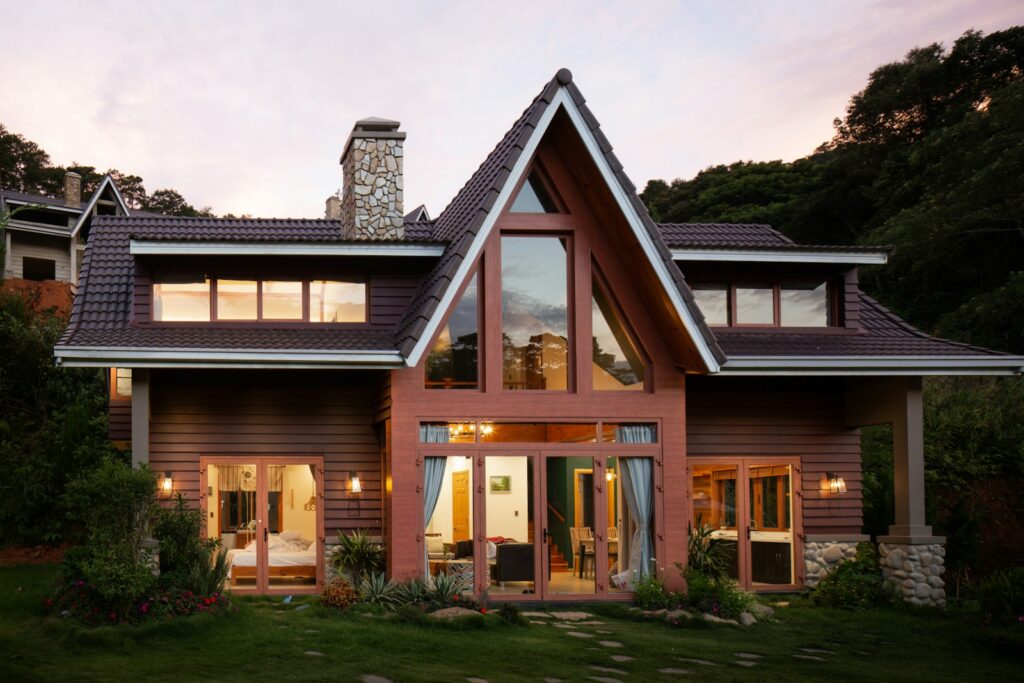
If you’re weighing building your own home versus buying a new construction house, you’re already making a smart distinction that many people skip. A lot of buyers hear “new” and assume it all means the same thing. In reality, “new construction” can mean everything from a move-in-ready home built from a builder’s playbook to a fully custom house designed around your lifestyle from the ground up. Both paths can lead to a beautiful, modern home with fresh systems, clean finishes, and fewer surprise repairs than an older resale property. But the experience, the risks, the timeline, the control you have, and even the final cost structure can be dramatically different.
The biggest difference comes down to control vs convenience. Building your own home usually means you control the land, the plan, the materials, and the trades (either directly or through a custom builder). Buying a new construction home usually means the builder controls the land, the plan, the process, and the trade network—and you’re choosing from options within their system. That sounds simple, but it affects almost everything: how much time you’ll spend making decisions, how often you’ll need to be on-site, how financing works, how change orders happen, how delays are handled, what level of craftsmanship you can enforce, and what kind of warranty protection you’ll have afterward.
This guide breaks it all down in practical terms so you can choose the path that matches your budget, your schedule, and your tolerance for complexity.
Definitions First: “Build Your Own Home” vs “Buy New Construction”
Before comparing, it helps to define what people mean by these terms, because they’re often used interchangeably even though they shouldn’t be.
When people say building your own home, they usually mean one of these scenarios: you buy land (or already own it), then you hire a custom builder to build a home designed for you, or you act as your own general contractor and manage the build yourself. You’re involved from the earliest phases—choosing the layout, selecting structural options, deciding where the house sits on the lot, and making decisions that affect the bones of the home, not just the paint colors. Even if you hire a builder, the project is centered on your preferences, your site, and your priorities.
When people say buying a new construction house, they usually mean purchasing a home built by a production or semi-custom builder in an existing subdivision, community, or development. This can be spec homes (already built or nearly finished), inventory homes (move-in-ready or close), or to-be-built homes where you select a floor plan and finishes from a catalog and the builder constructs it on a lot they own. You can often customize some finishes and upgrades, but you’re typically operating within a defined set of options the builder is willing to offer.
Both can produce “brand-new” homes. The difference is who controls the process—and how much flexibility you have when reality shows up.
The Core Difference: Who Owns the Decisions?
The most important contrast is decision ownership. In a build-your-own-home route, the home is treated like a project designed around your life. In a new construction purchase route, the home is treated like a product designed to appeal to many buyers.
With a custom build, you can decide things that production builders rarely change: ceiling heights in specific rooms, window placement for morning light, kitchen workflow, the orientation of the home, soundproofing, insulation strategies, future-proof wiring, and structural upgrades that matter long-term. You can decide where the laundry goes, how the garage connects to the house, how big the mudroom should be, whether the pantry is a walk-in or a hidden scullery, how your home office is separated from noise, and what kind of outdoor living setup makes sense for your climate.
With a new construction house, the builder has already standardized these decisions because standardization is how they build efficiently. Their plans are engineered for speed, permit simplicity, predictable labor, and predictable costs. You typically decide cosmetics and upgrades—cabinets, countertops, flooring, fixtures, maybe a few layout options like an extra bedroom or a different kitchen island—while the structure remains mostly fixed.
Neither approach is “better” automatically. The question is whether you want a home tailored to you, or whether you want to select a great home from a menu and move forward quickly.
Land: The Hidden Divider That Changes Everything
Land is often the dividing line between these options, and it affects cost, stress, and time more than most people expect.
When you build your own home, you usually need to deal with land acquisition or land readiness. That means evaluating zoning, utilities, Soil Conditions, drainage, easements, setback rules, and sometimes HOA restrictions. You may need to install or connect water and sewer (or drill a well and install a septic system). You may need to bring electricity, fiber, or gas to the site. You may need site clearing, grading, and sometimes retaining walls. In certain areas, the site work alone can make or break the budget, because it’s hard to predict until engineering is done.
When you buy new construction in a community, the land is typically already developed. Utilities are in place, roads are built, drainage plans are approved, and the builder has already priced the lot into the package. You’re usually paying for land, but you’re not managing it. That’s a huge difference in hassle and unknowns.
The tradeoff is that developed communities often come with constraints: lot sizes may be smaller, neighbors closer, HOA rules stricter, and customization limited. Building your own home offers more freedom—especially on rural or semi-rural land—but you’re taking on more complexity.
Timeline: How Long Each Path Really Takes
Most people underestimate timelines on custom builds and overestimate how fast new construction purchases can close. The truth is: both can be slower than expected, but custom builds usually require more patience.
A build-your-own-home timeline includes phases that don’t feel like “building” yet: finding land, negotiating purchase, soil tests, surveys, design, architectural drafting, engineering, permitting, bidding, and financing approval. Even after a builder breaks ground, weather, inspections, subcontractor availability, material delays, and change orders can extend the schedule.
A typical custom build can take anywhere from several months to well over a year depending on complexity and permitting speed. If you’re in an area with slow permitting or if you’re designing something non-standard, the pre-construction timeline can be long even before a shovel hits dirt.
Buying a new construction house can be faster—especially if it’s already built or near completion. A spec home might close in weeks. A to-be-built home can take months, but the builder already has the plans, permits are often streamlined, and the community process is established. However, production builders can still have delays due to supply chain issues, labor availability, or inspection bottlenecks, and the buyer has less ability to push the schedule other than contractual leverage.
If your timeline is tight—like a school year, a job relocation, or a lease ending—new construction often wins on predictability, even if it’s not always “fast.”
Financing: Construction Loans vs Traditional Mortgages
Financing is one of the biggest practical differences, and it affects your out-of-pocket costs and stress level.
When you build your own home, you often use a construction loan (sometimes called a Construction-to-permanent Loan). This type of loan releases money in stages (draws) as construction milestones are completed. You typically pay interest on the amount drawn, not the full amount, during construction. Then, once the home is finished, the loan converts into a permanent mortgage or you refinance into one.
Construction loans usually require more documentation, more lender oversight, and more discipline. The lender may require a Fixed-price Contract, detailed budgets, builder credentials, inspections before draws, and contingency reserves. If costs rise, you may need extra cash, and the lender may not simply “increase the loan” mid-build.
Buying a new construction home usually uses a standard mortgage, and many builders offer incentives through preferred lenders. The builder finances the construction, not you. You may lock a rate, place a deposit, and close once the home is complete. That’s simpler for most buyers and often requires less cash management during the build.
However, Builder Lender Incentives can be a double-edged sword. Sometimes the incentives are great (closing cost credits, rate buydowns), and sometimes they’re priced into the home. The key is to compare offers carefully and consider whether the incentive is offset by a higher purchase price or less favorable terms elsewhere.
Cost Structure: Why “Cheaper” Is Hard to Compare
People often ask which is cheaper: building your own home or buying new construction. The honest answer is: it depends, and the numbers can mislead you if you compare the wrong things.
A production-built new construction home benefits from economies of scale. Builders buy materials in bulk, use the same subcontractors repeatedly, standardize designs, and reduce waste through repetition. That can make the base price look attractive. But then there are upgrades. Many buyers discover that the “starting at” price is a barebones version, and the finishes that made the model home look amazing are expensive add-ons. Lot premiums, structural options, design studio upgrades, landscaping, fencing, and blinds can add a surprising amount.
A custom build can look expensive upfront because you’re pricing the home based on your specific plan, your lot conditions, and your chosen finishes. But it can also be more cost-efficient in certain ways, especially if you’re intentional about value. You can prioritize where money matters most to you and skip things you don’t care about. You can choose durable materials, invest in efficiency, and design in a way that reduces wasted space. You can also avoid paying for “builder upgrades” that are marked up significantly compared to sourcing independently.
The danger in custom building is cost creep. Small decisions add up: a few extra windows, a nicer roofline, upgraded appliances, a different siding, a higher ceiling, better insulation, and suddenly the budget has drifted. The danger in buying new construction is upgrade shock: the home is priced one way, but to make it feel like the model, you end up spending far more than you planned.
The best comparison is not “price per square foot” but total cost to achieve the home you actually want, including land, site work, landscaping, and everything you need to live comfortably.
Customization: Layout, Function, and the Stuff You Can’t Change Later
Customization is where building your own home shines, but you need to know what matters most because too much choice can overwhelm you.
In a custom build, you can design around daily life. You can build a kitchen that matches how you cook, not how a builder thinks most buyers cook. You can create storage where it’s needed most. You can plan for kids, aging parents, home businesses, hobbies, and future mobility. You can also invest in things that are expensive to change later: wall placement, window sizing, plumbing locations, electrical plans, ceiling heights, and structural reinforcements.
In a new construction purchase, you can still get a modern layout with smart features, but you’re usually choosing from plans already designed. Many are excellent and thoughtfully laid out, because builders know what sells. If the plan fits your life, you don’t necessarily need a custom home. The limitation is when it doesn’t fit. If you find yourself saying, “I wish the laundry was upstairs,” or “I wish the kitchen had a real pantry,” or “I wish there was a dedicated office away from noise,” you may be stuck with compromises that are expensive to change.
A good rule is to focus on what you can’t easily fix later. Paint colors and light fixtures can change. A bad layout is forever unless you renovate.
Quality Control: Who Ensures the Build Is Done Right?
This is a sensitive topic because quality varies widely among both production builders and custom builders. The difference is not that one is always better. The difference is how quality is monitored and enforced.
With a custom build, you can often have more direct visibility into materials, methods, and subcontractor performance. You can hire your own inspections at multiple stages. You can require specific standards in your contract. If you’re involved and your builder is transparent, you can catch issues early before drywall hides everything.
With a production new construction home, quality depends heavily on the builder’s systems, the site supervisor, and the trade crews. Some production builders do excellent work. Others focus on speed. Even good builders can have inconsistent quality if crews are stretched. The buyer’s challenge is that you often don’t see the home until later stages, and you may have less leverage to demand changes beyond what the contract allows.
No matter which route you choose, one of the smartest moves is to hire an independent third-party inspector for key phases: pre-drywall, final, and sometimes foundation or framing. It’s not about being adversarial. It’s about protecting what may be the largest purchase of your life.
The Emotional Experience: Project Management vs Shopping Decision
The emotional difference between these paths is bigger than people expect.
Building your own home can be incredibly satisfying, but it can also feel like a second job. You make hundreds of decisions: floor plan revisions, material selections, tile, cabinets, lighting, plumbing fixtures, trim details, paint sheens, hardware, exterior finishes, landscaping, and more. You’ll face moments where two options look similar but have very different costs. You’ll deal with delays that are nobody’s fault. You’ll feel pressure to decide quickly because a delay in one choice can pause a whole phase of the build.
Buying a new construction house can feel calmer because many decisions are already made. You choose from curated options, sign paperwork, and wait for the build to finish. You still need to stay alert, but the mental load is lower. For many families, that reduction in complexity is worth giving up some customization.
If you enjoy planning, decision-making, and optimization, building can be exciting. If you’re already overloaded with work and life, new construction can be a relief.
Contracts, Change Orders, and “Surprises”
This is where the fine print matters.
In a custom build, change orders can be frequent because the project is more flexible. That’s great until changes become expensive. A seemingly small change—like moving a wall or adding a window—can ripple through framing, electrical, HVAC, and drywall. Custom contracts also vary widely. Some are fixed-price, some are cost-plus, and some include allowances that can balloon if you choose more expensive finishes.
In new construction purchases, the contract is usually heavily builder-friendly, with limited flexibility. Change orders may be restricted after certain deadlines. Many builders won’t allow major structural changes at all. That protects the schedule but also limits your control. If something is wrong, you’ll need to follow warranty and punch-list procedures.
The best defense in either case is clarity upfront. Know what’s included, what’s an allowance, what triggers cost changes, what deadlines apply, and how disputes are handled.
Warranties and After-Move-In Support
Most new construction homes come with warranties, but the scope varies.
Production builders often provide a 1-year workmanship warranty, a 2-year systems warranty, and a 10-year structural warranty (common structure; exact terms vary). That can be comforting, especially if you’re not handy. But warranties are only as good as the builder’s responsiveness. Some builders are great. Some drag their feet. You’ll want to research local reputation and talk to past buyers if possible.
Custom builds may have warranties too, especially if built by a reputable custom builder, but the structure can be different. Some custom builders offer strong warranties and personal follow-through. Others may be less formal. If you act as your own GC, you might rely more on manufacturer warranties and individual trade warranties.
In both cases, document issues early, keep communication in writing, and understand the warranty process before you close or move in.
Energy Efficiency and Modern Systems
Both paths can yield efficient homes, but custom builds can push efficiency further if you design for it.
A production new construction home typically meets current energy codes, uses modern HVAC systems, and may include standard energy features like decent insulation and double-pane windows. Some builders offer upgraded packages with better insulation, smart thermostats, and high-efficiency systems. But they may not prioritize building science details like air sealing, advanced ventilation, or high-performance envelopes unless you pay for it.
A custom build allows you to tailor efficiency choices: higher-grade insulation, better windows, tighter air sealing, ERV/HRV ventilation, better duct design, and solar readiness. You can also plan for future upgrades like EV charging, generator wiring, and smart home infrastructure. These choices can reduce monthly bills and improve comfort long-term, but they need to be designed properly, not just added randomly.
If comfort matters to you—consistent temperatures, quieter interiors, fewer drafts—custom building gives you more control over the details that make that happen.
Neighborhood, Amenities, and Lifestyle Tradeoffs
New construction communities often come with lifestyle perks: sidewalks, parks, pools, clubhouses, and a neighborhood feel. Many people love that, especially families. The tradeoff is HOA restrictions, proximity to neighbors, and less uniqueness.
Building your own home gives you more choice in location and setting. You might get privacy, views, land, and freedom. But you may be farther from amenities, schools, or commute routes. You might also have to manage things like private roads, longer utility runs, or septic/well maintenance.
This becomes less about the house and more about how you want to live day to day.
Risk Profile: Which Option Has More Unknowns?
Building your own home generally carries more unknowns, especially in the beginning. Land issues, permitting delays, weather, material changes, and contractor coordination can all introduce uncertainty. You can reduce that risk with strong planning, a good builder, and a realistic contingency budget, but you can’t eliminate it.
Buying new construction reduces certain unknowns because the builder has done this many times, and the process is more standardized. But you still have risks: builder contract terms, potential shortcuts, schedule delays, and limited ability to change course.
The key difference is that custom building gives you more control to respond to problems—at the cost of more responsibility. New construction gives you less responsibility—at the cost of less control.
Who Should Build Their Own Home?
Building your own home tends to be a great fit if you value personalization, have a specific vision, or have needs that standard plans don’t serve well. It’s also a strong option if you care about the “invisible” quality details: insulation, soundproofing, wiring, layout efficiency, and long-term durability. It can work especially well if you enjoy being involved, can tolerate delays, and are willing to manage decision-making without burnout.
It’s also a good option if you already own land or have access to land at a good price, because land costs can make or break the equation. If you’re building in a location where new construction communities don’t exist—or where they’re overpriced—custom building might be the best path to get what you want.
Who Should Buy a New Construction House?
Buying a new construction home tends to be a great fit if you want simplicity, faster timelines, and a more predictable process. It’s ideal if you find a floor plan you genuinely like and don’t need deep customization. It’s also a strong option if you want a neighborhood with amenities, you don’t want to manage contractors, and you prefer standard mortgage financing instead of construction loans.
It’s also helpful if you’re stretching financially and want to reduce risk. A fixed purchase price and a clear closing process can feel safer than managing a build where costs might creep.
The Smart Way to Decide: A Practical Checklist
If you’re torn, here’s a practical way to decide without getting lost in theory.
Start by asking yourself whether your ideal home requires changes you can’t easily buy. If your “must-haves” are mostly cosmetic—modern finishes, open concept, new appliances—new construction might meet your needs easily. If your “must-haves” are structural or lifestyle-driven—specific room locations, multi-generational design, privacy, unique architecture, special land, workshop space—building your own home starts to make more sense.
Then evaluate your time and mental bandwidth. Building requires more attention. If your life is already packed, the stress cost might not be worth it. Also assess your risk tolerance. If uncertainty keeps you up at night, new construction might be the calmer path.
Finally, compare real numbers. Look beyond base prices and ask what it will cost to get to “done”—including blinds, landscaping, fencing, appliances, driveway, and upgrades. Many people choose wrong because they compare incomplete budgets.
Final Thoughts: Two Different Roads to a “New Home”
Building your own home and buying a new construction home are not two versions of the same thing. They’re two different journeys that happen to end with a new house. One is a custom project with maximum control and maximum responsibility. The other is a curated product with built-in efficiency and built-in limits.
If you want a home that feels like it was made for you—and you can handle the process—building your own home can be deeply rewarding and can produce a house that fits your life in a way a standard plan rarely does. If you want a modern home with fewer headaches, simpler financing, and a faster path to move-in day, buying new construction is often the more practical choice.
Either way, the smartest buyers go in with clear expectations, strong inspections, and a willingness to protect their investment. A “new home” is only truly valuable when it’s built well, fits your life, and doesn’t become a financial surprise after the excitement fades.


