Why Are New Construction Houses Built So Poorly?
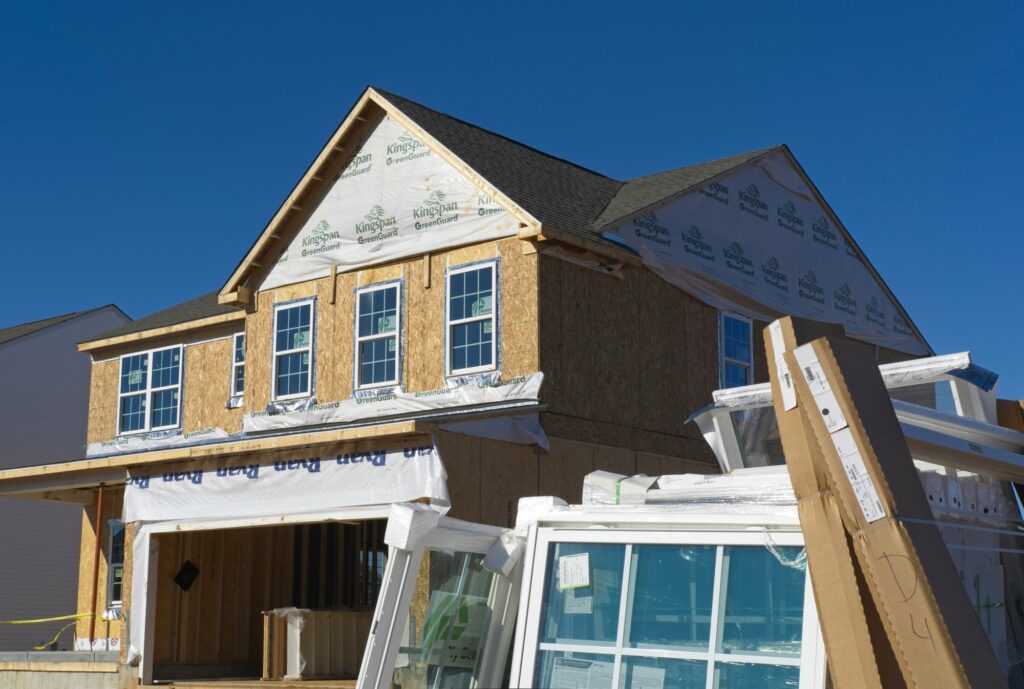
People do not start shopping for a brand new home expecting disappointment. The whole appeal of new construction is supposed to be peace of mind: modern systems, clean finishes, lower maintenance, and a home that has not been lived in yet. So when buyers walk a brand new house and notice uneven floors, sloppy trim, cracked drywall, doors that do not latch, cheap cabinets, drafty windows, or a roofline that looks a little off, the reaction is usually the same: How is this acceptable on something this expensive?
The truth is uncomfortable but simple. Many new construction homes are not built poorly because builders do not know how to build well. They are built poorly because the modern production homebuilding system often rewards speed, volume, and cost cutting more than craftsmanship. When you combine tight schedules, layered subcontracting, material substitutions, labor shortages, inconsistent supervision, and weak enforcement of quality standards, you get homes that look great from a distance and sometimes disappoint up close.
It is also important to be fair. Not every new construction home is poorly built. Some builders produce excellent work, and some neighborhoods are full of genuinely solid houses. But if you feel like quality has declined, or you keep hearing stories about brand new homes with big issues, you are not imagining things. There are structural reasons this happens, and understanding them can help you buy smarter and protect yourself.
Poorly Built Does Not Always Mean Unsafe, But It Often Means Rushed
When most people say a home is built poorly, they are usually describing one of three things: cosmetic problems, performance problems, or hidden technical problems. Cosmetic issues are what you see right away: messy paint lines, uneven tile, squeaky stairs, wavy drywall, misaligned cabinets, cheap fixtures, or sloppy caulk. Performance problems are what you feel over time: rooms that do not heat evenly, drafts, loud plumbing, humidity issues, or windows that leak air. Hidden technical problems are the scariest because you might not notice them until a year or two later: bad flashing, poor drainage around the foundation, improperly installed roof underlayment, missing insulation, poorly sealed penetrations, incorrect HVAC sizing, or ductwork that leaks.
The reason this matters is that new construction quality problems often show up in layers. The home may pass basic inspections and still have significant issues that affect comfort and long term durability. A house can be code compliant and still be mediocre. Code is a minimum standard, not a guarantee of excellence, and many buyers mistakenly assume that new automatically equals best.
The Business Model: Production Building Is Optimized for Scale, Not Craftsmanship
A major reason some new construction homes feel cheaply built is that many builders operate on a production model. Production building is essentially manufacturing at scale. Plans are repeated, materials are standardized, and schedules are compressed. This can be efficient and can create affordability in certain markets, but it also creates a system where the builder’s profit often depends on controlling costs and moving quickly.
In that environment, anything that slows the pipeline becomes a threat to margins. Spending an extra day perfecting trim work does not help the builder close on time. Hiring the highest skilled labor costs more. Using top tier materials increases costs and sometimes increases warranty claims, but it does not necessarily raise the selling price enough to justify it. Many buyers will not pay an extra forty thousand dollars for better framing, better flashing, thicker drywall, and superior air sealing because they cannot see it during the tour. So builders often invest in what sells visually: countertops, backsplash, trendy lighting, while quietly reducing what does not market as easily.
This is why buyers often describe new homes as looking nice but feeling flimsy. The system encourages what looks good at closing, not what performs best over the next decade.
Labor Shortages and Skill Gaps: There Are Not Enough Craftspeople to Go Around
Even if a builder wants high quality, labor realities can get in the way. In many areas, there has been a long term shortage of skilled construction labor, especially in trades like framing, drywall finishing, roofing, and tile installation. When demand is high, crews are booked back to back, and quality can slip simply because workers are stretched thin. You cannot produce meticulous workmanship when you are expected to finish a job in a time slot that assumes everything goes perfectly.
The result is predictable. Crews rush, supervisors are overextended, and small mistakes do not get corrected because the schedule moves on. A drywall crew may not have time for the level of finishing that produces perfectly flat walls. A trim crew may install quickly rather than carefully. A painter might prioritize speed over prep. If a job is paid by the unit rather than by the hour, speed becomes the incentive, and quality becomes the casualty.
This is not always about laziness. It is often about throughput. When people say they do not build them like they used to, what they are often noticing is that the labor ecosystem has changed.
Subcontracting Layers: The Builder Often Is Not Building the House
Another big factor is how modern homes are constructed. Many production builders subcontract almost everything. The builder is not necessarily employing the framers, roofers, plumbers, electricians, or HVAC installers directly. Instead, a chain of subcontractors does the work, and those subs may be juggling multiple projects across multiple builders.
Subcontracting can work well when it is managed tightly with consistent crews and strict quality controls. But in many cases, the more layers you add, the more accountability gets diluted. If the flashing is wrong, the framer might blame the roofer. The roofer might blame the window installer. The window installer might blame the material supplier. Meanwhile the house progresses, and by the time someone notices, everything is covered up.
This is why hidden issues are so common in rushed builds. The system creates gaps where important details can slip through, especially at transitions: roof to wall intersections, window openings, plumbing penetrations, and foundation drainage.
Schedule Pressure: Close by This Date Becomes the Only Goal
New construction is not built at a relaxed pace. It is built around schedules tied to financing, sales targets, and closing dates. The builder’s internal machine has deadlines: keep inventory moving, meet quarterly numbers, keep trades scheduled, avoid carrying costs, and close deals on time. The buyer also has deadlines: rate locks, lease endings, moving trucks, school enrollment, job start dates.
When the schedule becomes the priority, the build process turns into a sprint. That is when shortcuts happen. Not always dramatic shortcuts, often small ones that add up. Maybe the flashing is not done perfectly because the crew is behind. Maybe the insulation crew misses sections and no one checks. Maybe the HVAC startup is rushed and never fully balanced. Maybe the grading is good enough even though it should be refined to move water away from the foundation. Each individual compromise seems minor until you live in the home and realize the cumulative effect.
A phrase buyers should remember is this: speed hides mistakes until they become expensive.
Value Engineering: The Quiet Art of Making Things Cheaper Without Looking Cheaper
One of the most common reasons new construction feels low quality is value engineering, which is a polite industry term for cutting cost while maintaining appearance. Builders continuously adjust specs to protect margins when material prices rise or when market competition tightens.
Value engineering shows up everywhere: thinner baseboards, hollow core interior doors, lower grade carpet padding, cheaper cabinet boxes, lower tier windows, basic waterproofing, minimal sound insulation, and budget grade fixtures that look good under showroom lights but wear out fast.
Sometimes these choices are reasonable. Not every home needs luxury materials. But the problem is that many buyers assume new equals premium, and they do not realize how many components are selected at the lowest acceptable tier. A house can be new and still be built with materials that are fundamentally disposable. That is not necessarily a moral failure. It is a market outcome. Builders build what the market buys, especially when buyers are already stretched on affordability.
Code and Inspections: Passing Inspection Is Not the Same as Quality
A lot of buyers rely on inspections as a comfort blanket: It passed inspection, so it must be fine. Unfortunately, building inspections are primarily about minimum Code Compliance, and inspectors are often constrained by time and scope. They may not inspect every detail, and some issues are not strictly code violations even if they are poor practice.
Also, inspectors cannot always see what matters. By the time final inspections occur, many important systems are behind walls. Insulation might be covered. Flashing details might be hidden. Duct leakage might not be obvious. Drainage problems might not show until the first heavy rain. A home can pass inspection and still have critical durability problems.
This is why independent inspections, especially a pre drywall inspection, are so valuable. A third party inspector who works for you is more likely to scrutinize workmanship, check flashing, look for missing insulation, examine framing issues, and catch problems before they become permanent.
The Model Home Illusion: You Are Not Buying the Model Home
One of the most frustrating realities about new construction is that buyers fall in love with the model home, then get something that feels like a cheaper cousin. The model is often built by the builder’s best crews, upgraded heavily, and maintained constantly. It is a marketing tool designed to create emotion and confidence.
Your home, on the other hand, might be built during a period when crews are stretched or supply is tight. It may get substitutions. It may get a less experienced site supervisor. The difference is not always intentional. It is just the reality of production work under pressure.
This is why it is smart to walk other homes in the same neighborhood: homes that are close to closing, not just the model. Look at finishes, alignment, drywall smoothness, trim detail, and exterior grading. The model shows you what is possible. The inventory shows you what is typical.
Materials Are Different Than They Used to Be
People compare new homes to older homes and conclude that new homes are worse. Sometimes that is true. Sometimes it is simply that materials and building methods have changed.
Many older homes used old growth lumber that was denser and more stable. Today’s framing lumber can be wetter, lighter, and more prone to warping as it dries. Engineered wood products are common, and while they can be excellent, they require correct installation. Drywall and finishing practices have also evolved, and some modern textures and quick finishes hide unevenness until light hits the wall at an angle.
On top of that, many modern homes are larger, with bigger open spans and more complex rooflines, which can amplify imperfections. Bigger homes have more joints, more transitions, and more opportunities for something to be slightly off. If the workmanship is not excellent, you will notice it.
This does not excuse poor building, but it explains why some issues feel more common today.
The Biggest Poor Build Problems Usually Come From the Same Places
When new homes fail early or develop expensive issues, the cause often is not the visible stuff like paint. It is usually related to water, air, and structural transitions.
Water management is the number one long term durability factor. If flashing is wrong, if grading is poor, if gutters do not drain correctly, if roof to wall intersections are not sealed, moisture will find a way in. Once water gets into a structure, everything else starts deteriorating: framing, sheathing, insulation, drywall, and indoor air quality.
Air sealing and insulation are the comfort factors. A home can have good insulation on paper but still be drafty if penetrations are not sealed and if the building envelope leaks air. Leaky envelopes also create humidity problems that can lead to mold.
HVAC design and execution are critical and commonly mishandled. Some new homes have systems that are not properly sized, not balanced, or have ductwork installed poorly. That leads to hot rooms, cold rooms, and high utility bills even in a new efficient home.
If you want to judge whether a new construction home is built well, look beyond surface finishes and focus on how the home handles water and air.
Builder Incentives and Buyer Behavior: The Market Trains Builders What to Deliver
This part is uncomfortable, but it matters. Builders build what sells. Many buyers shop primarily on monthly payment, location, and surface level aesthetics. If the market rewards granite counters but does not reward better flashing, the builder will put the money where it closes deals.
Buyers also often waive protections without realizing it. They skip independent inspections because they assume a new house does not need one. They rush to sign because inventory is tight. They focus on design studio upgrades and forget to ask about structural or performance upgrades. They rely on warranties, not realizing that warranties can be slow and difficult to enforce.
When buyers demand speed and low price, builders respond with speed and cost control. Quality does not disappear because everyone is evil. It disappears because it is rarely the deciding factor at the sales desk.
It Is Not Always Poorly Built, Sometimes It Is Poorly Managed
Some builders have solid materials and capable subs but struggle with management: inconsistent supervision, poor scheduling, weak punch list processes, and rushed handoffs at closing. A home might have fixable issues, but the builder’s customer service system turns those issues into nightmares.
This is why builder reputation matters as much as the house itself. Two homes built with the same materials can feel totally different depending on the site supervisor’s discipline and the builder’s willingness to correct mistakes. A good builder catches problems early, holds subs accountable, and does not push a home to closing with major unresolved defects. A bad builder closes first and responds later.
If you are buying new construction, you are not just buying a house. You are buying a relationship with a company for at least the first year.
Why It Feels Worse Now: The Boom Effect
When housing demand surges, quality often declines. Not because builders suddenly forget how to build, but because the system becomes strained. More homes start at once, supervisors oversee more units, subs are stretched, new crews enter the market, and materials get substituted. In boom cycles, you will often see more complaints about quality simply because the whole industry is operating at maximum capacity.
If your region has experienced rapid growth, you are more likely to encounter rushed builds. In slower markets, builders may have more time and incentive to compete on quality because buyers have more options.
How to Protect Yourself When Buying New Construction
The best way to respond to the reality of inconsistent quality is not to avoid new construction entirely. It is to buy smarter and verify what you are getting.
Hire Your Own Inspector, Especially for a Pre Drywall Inspection
A pre drywall inspection is one of the highest return moves you can make. It happens after framing, plumbing, electrical, and HVAC rough ins but before insulation and drywall. This is when an inspector can actually see what matters: structural connections, window installation, flashing, penetrations, duct routing, and rough mechanical work. Once drywall is up, many issues become expensive or impossible to fix properly.
Even if the builder resists, many contracts allow third party inspections. If the builder will not allow it, that tells you something about transparency.
Do a Final Inspection and a Detailed Punch List
Before closing, do a final walkthrough with a checklist mindset. Check doors, windows, drains, outlets, lights, HVAC operation, water pressure, caulk lines, cabinet alignment, flooring transitions, and exterior grading. Run every faucet. Flush every toilet. Test every switch. Look at the roofline. Walk the perimeter and check that water drains away from the foundation.
Treat it like a quality audit, not a casual tour.
Understand the Warranty and Document Everything
Warranties can be helpful, but they are not automatic fixes. Learn the process: how to submit claims, how long response times are, and what is excluded. Take photos and videos. Keep written records. Submit issues early and clearly. Many buyers lose leverage by waiting too long or communicating only verbally.
Upgrade What Actually Matters
If you have budget for upgrades, consider prioritizing the invisible things: better insulation, better windows, improved air sealing, higher quality HVAC options, better underlayment, better waterproofing, and enhanced exterior drainage solutions. Many design upgrades are fun, but performance upgrades protect the home long term.
Choose Builders Based on Their Track Record, Not Their Marketing
Marketing is not quality. Look for consistent feedback from actual homeowners, not just showroom impressions. Walk finished homes, talk to neighbors if you can, and pay attention to how the builder handles problems. The best sign of quality is not perfection. It is accountability.
Are New Construction Homes Always a Bad Idea?
No. There are real benefits to new construction: modern layouts, updated electrical systems, newer plumbing, better energy codes in many regions, and fewer immediate repairs than older resale homes. And many builders do solid work, especially when they have stable crews and good supervision.
But if you go into new construction assuming perfection, you will often be disappointed. The better mindset is this: new construction is a starting point, not a guarantee. It is a home built in a system that prioritizes speed and predictability. Your job as a buyer is to verify quality, insist on inspections, and protect yourself through documentation and leverage.
The Real Answer: New Construction Homes Can Be Built Well, But the System Often Does Not Reward It
So why are some new construction houses built so poorly? Because many are created inside a machine that values volume and deadlines more than long term craftsmanship. Because subcontracting spreads accountability. Because labor is stretched. Because code is a minimum. Because buyers often cannot see what matters. Because cosmetic upgrades sell better than hidden performance upgrades. Because the industry is often running at full speed.
If you understand these forces, you will stop feeling confused and start feeling empowered. You will know what to inspect, what to question, and how to make sure your brand new home is genuinely solid, not just freshly painted.
FAQs About New Construction Quality
Is it normal for a new construction house to have problems?
Yes, some issues are common, especially cosmetic ones. What is not normal are water intrusion risks, major structural defects, or mechanical systems that are not functioning properly. The key is to separate minor punch list items from durability problems.
Should you get an inspection on a brand new home?
Absolutely. A third party inspection is one of the smartest things you can do, and a pre drywall inspection is even better because it catches hidden issues early.
Why do so many new homes have drywall cracks?
Drywall cracks can happen because lumber dries and settles, trusses move slightly with temperature, and homes shift under load. Small cracks can be normal, but widespread cracking can indicate rushed framing, poor fastening, or structural movement that should be evaluated.
What is the biggest danger in a poorly built new home?
Water management issues: bad flashing, bad grading, and poor drainage cause the most expensive long term problems. If you only focus on cosmetics, you can miss the issues that truly matter.
Final Thoughts: The Best New Construction Buyers Treat Quality Like a Requirement, Not a Hope
New construction can be an excellent purchase, but only if you approach it with eyes open. Do not rely on new as proof of quality. Rely on inspections, documentation, and the builder’s demonstrated accountability. When buyers demand better and verify what they are paying for, quality improves, because builders respond to what the market rewards.
If you want, tell me what type of new construction you mean: spec home, inventory home, or to be built in a subdivision, and I will tailor a buyer’s checklist, including exactly what to look for at pre drywall and final walkthrough, to that scenario.