Construction Loan Closing Costs: 17 Line Items Explained—and How to Cut Each One
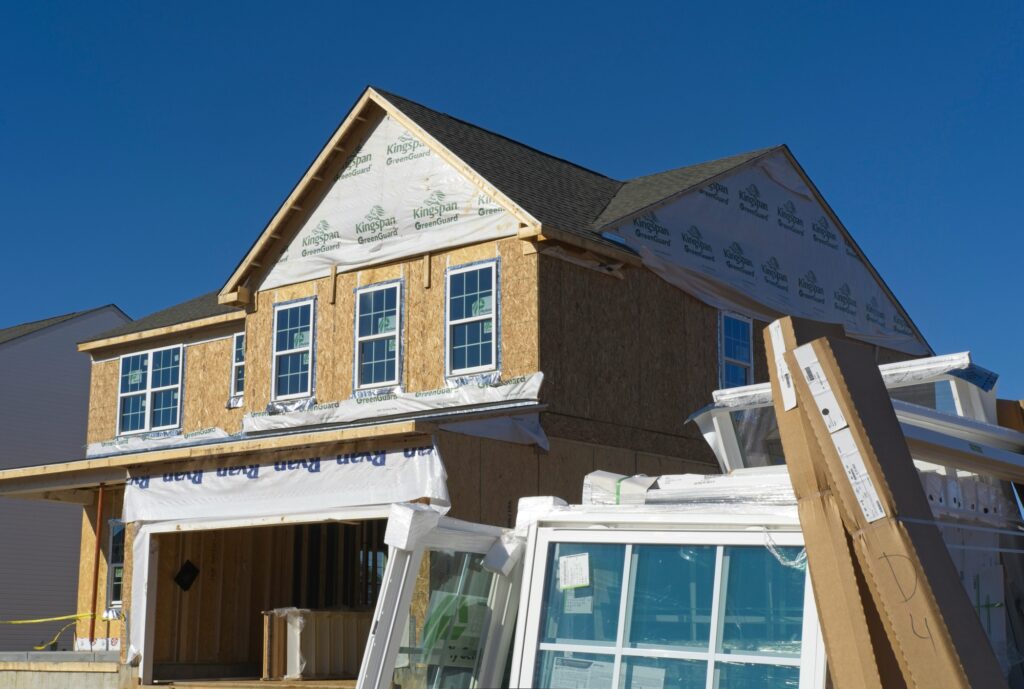
If you’ve never closed on a construction loan, the first estimate can feel like a foreign language—and an expensive one. Closing costs on construction loans usually land somewhere between 2% and 5% of the loan amount, and unlike a regular mortgage, there are “build-specific” fees hiding in plain sight. The good news: most of them are either negotiable, shoppable, or avoidable with a little planning. I’ll walk you through the 17 most common line items, what they actually pay for, realistic cost ranges, and the precise moves I’ve used to trim thousands off clients’ cash to close.
The quick picture: why construction loan closing costs run higher
A construction loan is two loans wrapped into one: short-term, interest-only financing while you build, and then a permanent mortgage (sometimes called “one-time close” if it’s all bundled). Because the lender is taking on more risk and more work—fund control, inspections, draw management, plus a beefier appraisal—you’ll see more fees than on a typical purchase.
Expect:
- More third-party reports (appraisal with plans/specs, survey, title endorsements)
- Construction-specific lender fees (draw setup and inspections)
- Bigger insurance requirements (builder’s risk, course-of-construction liability)
- Potentially two settlements if you do a “two-time close” (construction loan now, refinance to permanent later)
A realistic national range:
- $500,000 construction loan: $12,000–$25,000 total closing costs
- $750,000 loan: $18,000–$35,000
- $1,000,000 loan: $25,000–$50,000+
The spread reflects your state’s taxes, title rates, the lender you choose, and how well you shop the shoppable pieces.
What drives your closing cost total
- State and county: Mortgage/transfer taxes vary wildly. New York can add 1–2% just in mortgage tax. Florida adds doc stamps and intangible tax (~0.55% combined). Texas has no mortgage tax but higher title premiums that are regulated.
- One-time close vs. two-time close: Two closings mean two rounds of title, settlement, and recording fees. One-time close generally costs less overall, but the rate lock and conversion terms matter.
- Loan size and rate structure: Points (origination) and lender credits swing with rate. A slightly higher rate can reduce your cash to close via lender credits.
- Property complexity: Rural acreage, unusual designs, or custom builds raise appraisal and survey costs.
- Draw frequency: More draws mean more inspections and admin fees.
- Insurance choices: Builder’s risk can be 1–4% of build cost for a 12-month policy, depending on coverage and region.
The 17 construction loan closing cost line items—and how to cut each one
Below are the charges you’ll see most often. Not every lender uses the same labels, but the costs are similar. For each, I’ll give plain-English definitions, typical ranges, and concrete ways to reduce them.
1) Loan origination (points)
- What it is: The lender’s fee for making the loan, often quoted as a percentage of the loan amount (e.g., 0.5–1.5 points, where 1 point = 1% of the loan).
- Typical range: 0.5–1.5% of the loan amount. On a $600,000 loan, that’s $3,000–$9,000.
- How to cut it:
- Ask for two or three rate/fee structures: par rate (no points), points for a lower rate, and a lender-credit option (slightly higher rate that reduces closing cash).
- Leverage competing offers. A written Loan Estimate from Lender A can often shave 0.25–0.50 points at Lender B.
- If you’re confident the build will go smoothly and you’ll refinance soon, consider a lender-credit option to lower your cash today (you’ll pay slightly more in monthly interest until you refi).
- Ask about “builder relationships.” Some lenders discount points if your builder is on their approved list.
2) Underwriting and processing fees
- What it is: The back-office work—verifying income, assets, plans/specs, builder approval, and compliance.
- Typical range: $500–$1,500 combined.
- How to cut it:
- These are more negotiable than most folks realize. Ask, “Can you waive the processing fee if I lock by Friday?” or “Match Lender X’s $650 total?”
- Keep your file clean: Provide complete documentation in one shot. Fewer touches sometimes translates to a reduced or waived fee.
3) Construction draw/administration fee (including draw inspections)
- What it is: The lender’s cost to set up the draw schedule, review change orders, and inspect the site before releasing funds. Often split as a setup fee plus per-draw inspection charges.
- Typical range:
- Setup: $300–$1,000
- Per-draw inspection: $100–$250 each
- Many builds use 6–12 draws.
- How to cut it:
- Pre-plan a realistic draw schedule with your builder to minimize the number of draws. Fewer draws = fewer inspections.
- Ask whether multiple small disbursements can be combined without extra inspections (some lenders allow combining line items within a phase).
- Compare lenders. Some bake a higher setup fee but lower per-draw costs, which can be cheaper for projects with more draws.
- If your builder offers independent inspection reports (some larger builders do), ask if the lender will accept them as partial documentation to reduce inspections.
4) Appraisal (plans, specs, and site)
- What it is: A specialized appraisal that evaluates the “as-completed” value based on your plans, specs, land, and comps.
- Typical range: $800–$1,500 for typical builds; $1,800–$3,000+ for rural, high-end, or complex designs.
- How to cut it:
- Provide a complete packet the first time: final plans, specs, cost breakdown, site plan, comps you’ve seen, and a realistic build timeline. Clean files avoid revision fees and rush charges.
- Avoid rush fees by ordering early—ideally as soon as plans are 90–100% final.
- If land was appraised within the last six months, ask about a “retype” or update credit. Some appraisers can update at a lower fee.
5) Credit report fee
- What it is: Tri-merge credit report for all borrowers.
- Typical range: $30–$60 per borrower; add $30–$50 per tradeline if a rapid rescore is required.
- How to cut it:
- Keep your credit frozen? Temporarily lift the freeze rather than paying multiple re-pulls.
- Avoid new credit activity during the process to prevent supplementary pulls.
- If your lender does multiple pulls because of a long timeline, ask them to absorb additional report costs.
6) Flood certification
- What it is: A check to confirm whether the property lies in a FEMA flood zone requiring flood insurance.
- Typical range: $10–$25.
- How to cut it:
- Not shoppable and minimal. If results are disputed, a Letter of Map Amendment (LOMA) or elevation certificate might remove the requirement, but don’t pursue that unless it truly applies.
7) Tax service fee
- What it is: A third-party monitoring service to ensure property taxes are paid on time.
- Typical range: $50–$100.
- How to cut it:
- Modestly negotiable. Ask your lender to waive or credit it as part of a “clean file/fast close” incentive.
8) Title insurance — lender’s policy
- What it is: Protects the lender against title defects. Required for the loan.
- Typical range: Highly state-specific, but think roughly 0.2–0.5% of loan amount for the lender’s policy when issued alone. Many states have regulated rates.
- How to cut it:
- Shop your title provider (if your state allows). Premiums are often regulated, but settlement, endorsements, and junk fees vary.
- Ask for “simultaneous issue” pricing if you also buy an owner’s policy (see next item). This often cuts the lender policy premium sharply.
- If there’s a prior owner’s policy within a qualifying period (often 3–10 years), you may qualify for a reissue or refinance credit.
9) Owner’s title insurance policy
- What it is: Protects you, the owner, from title defects, liens, and certain encumbrances. Not technically required for the loan but highly recommended, especially on construction where mechanic’s lien risks run higher.
- Typical range: 0.4–0.8% of purchase price or completed value, depending on state and coverage. You’ll often pay much less when combined with the lender’s policy under a simultaneous issue rate.
- How to cut it:
- Always request simultaneous issue with the lender’s policy.
- Ask about “new construction endorsements” bundled pricing.
- If the land changed hands recently and a prior policy exists, pursue a reissue credit.
- Practical tip: On construction, mechanic’s lien exposure is real. If a subcontractor goes unpaid, a lien can attach to your property even if you paid the GC. Owner’s coverage that includes enhanced mechanic’s lien protection is worth it.
10) Title endorsements (mechanic’s lien, survey, comprehensive)
- What it is: Add-ons to the policy to cover specific risks the base policy doesn’t. Construction loans typically require mechanic’s lien and survey-related endorsements.
- Typical range: $25–$200 per endorsement; total $150–$800+ depending on state and number required.
- How to cut it:
- Provide a current, lender-approved survey to avoid gap endorsements or exceptions where possible.
- Ask the title company to outline required endorsements early, then work with your builder to satisfy conditions that keep costs down (e.g., Lien Waivers with every draw).
- Shop title companies for endorsement fee variability (even in regulated states, endorsement fees sometimes vary).
11) Settlement/escrow/closing fee
- What it is: The fee paid to the closing agent (title company or attorney) to coordinate closing, disburse funds, and handle escrow accounting.
- Typical range: $300–$1,000 depending on state and attorney involvement.
- How to cut it:
- Shop. Title premiums may be fixed, but settlement and miscellaneous fees (email doc fees, notary, courier) are very much not fixed.
- Ask for a “junk fee audit” before you lock your closing agent. Push back on duplicate or vague line items (e.g., “archive fee” and “document storage fee”).
12) Lender’s attorney/document preparation fee
- What it is: In attorney states, a lender-hired attorney prepares loan documents and reviews title. In other states, lenders still may charge a doc prep fee.
- Typical range: $300–$1,200.
- How to cut it:
- Negotiate: “If I close with your recommended title company, can you waive doc prep?”
- Ask if a flat-fee doc prep is available instead of billable hours.
13) Recording fees and e-recording surcharges
- What it is: Fees paid to the county to record your deed of trust/mortgage, notices, and any riders.
- Typical range: $50–$250 total; sometimes more with multiple documents.
- How to cut it:
- Not very shoppable, but you can avoid unnecessary re-records by ensuring names, vesting, and legal description are 100% accurate on the first pass.
14) Mortgage/transfer/intangible taxes (state and local)
- What it is: Taxes charged by certain states/counties on the mortgage or transfer.
- Typical range: 0–2%+ of the loan amount, highly state-specific.
- Examples:
- New York mortgage recording tax: Up to 1.925% depending on county and loan size.
- Florida: Doc stamp tax on the note at $0.35 per $100 plus intangible tax at 0.2% ≈ 0.55% combined on the loan amount.
- Pennsylvania: Typically transfer tax applies to deed transfers (not refinances); construction on owned land may dodge it.
- How to cut it:
- Structure matters. If you already own the land, some taxes may not apply now. Ask your lender and closer about timing: purchasing land first vs. bundling can change taxes.
- In a two-time close, you may pay taxes twice on different amounts. Compare a one-time close to see which path yields lower total taxes in your state.
15) Survey (boundary/topographic/foundation)
- What it is: A professional survey to confirm property boundaries, easements, setbacks, and sometimes topography and building footprint. Lenders usually require at least a boundary survey; title often requires it for endorsements.
- Typical range:
- Boundary: $600–$1,500 for typical suburban lots; $2,000–$5,000+ for acreage.
- Topographic or ALTA: $2,000–$6,000+.
- Foundation/spot survey during build: $400–$800.
- How to cut it:
- Order early and scope correctly. If you need topo for site planning, combine it with the boundary to avoid two mobilizations.
- Provide any prior plats or CAD files to reduce field time.
- If you’re in a platted subdivision with recent surveys, ask about a cheaper “survey update” instead of a full new survey.
16) Builder’s risk and general liability (course-of-construction insurance)
- What it is: Insurance covering the structure during construction (fire, theft of materials, certain weather events) and liability exposure. Lenders require it before the first draw.
- Typical range: 1–4% of the construction cost for a 12-month policy is a rough guide; many owner-builder policies range $1,500–$5,000+ depending on coverage and location. Some lenders let you pay outside closing; others allow you to fund this as a soft cost from the loan.
- How to cut it:
- Shop at least three providers, including a specialty builder’s risk carrier. Coverage varies widely on theft, wind/hail, and water damage.
- Ask your builder whether their policy covers your project and what gaps you’d still have (often you still need an owner policy).
- Adjust your deductible strategically. A higher deductible can drop premium substantially without risking catastrophic loss exposure.
- If your state is prone to named storms or wildfires, start the insurance conversation early; underwriting can be strict and last-minute policies can be costly.
17) Interest reserve and prepaid interest
- What it is: Money set aside to cover interest payments during construction. Some loans fund an “interest reserve” so you don’t make monthly out-of-pocket payments while you build. You’ll also prepay interest from the closing date to month-end.
- Typical range:
- Interest reserve size depends on loan, rate, draw schedule, and build time. For a $600,000 loan at 7.5% over 10 months, with average outstanding balance of ~50%, you might budget $18,000–$20,000.
- Prepaid interest at closing is usually a fraction of one month’s interest, often $500–$2,000 depending on timing and first draw.
- How to cut it:
- Optimize your draw schedule. The less you draw early, the lower your average outstanding balance—and the lower your interest.
- If offered, choose a floating rate during construction when rates are trending down, or lock if rates are rising. Pair with a clear conversion plan.
- Consider paying interest monthly out-of-pocket instead of funding a reserve if it reduces total interest-on-interest (depends on how your lender structures reserves).
Case study: trimming $7,200 off a $750,000 construction loan closing
Project:
- Loan amount: $750,000
- Location: Suburban county, no mortgage tax
- Build time: 10 months
- Original estimated closing costs: $25,900 (about 3.45%)
What we changed:
- Points/origination: Negotiated from 1% ($7,500) to 0.75% ($5,625) by bringing a competing LE. Savings: $1,875.
- Underwriting/processing: Waived $450 processing with a 30-day lock commitment. Savings: $450.
- Draw/inspection: Reduced total draws from 10 to 7 by aligning subs’ schedules and combining smaller phases. At $180 per inspection, saved 3 x $180 = $540. Lender also cut setup fee from $600 to $400. Savings: $740.
- Appraisal: Provided a complete package, avoided a $250 revision fee. Savings: $250.
- Title insurance: Chose a title company that honored a reissue credit on the land policy and offered better endorsement pricing. Savings: $1,300.
- Settlement fee and junk fees: Negotiated the escrow fee down by $200 and removed a $95 “document storage” charge. Savings: $295.
- Survey: Provided recent subdivision plat and stakes; converted from full ALTA to boundary with additional certifications acceptable to the lender. Savings: $800.
- Builder’s risk: Shopped 3 quotes; moved deductible from $1,000 to $5,000 and removed non-essential inland marine coverage the GC already had. Premium dropped $1,490.
- Interest reserve: We moved HVAC and cabinets to a later draw and paid a $6,800 deposit directly to the supplier to avoid drawing early. Reduction in average balance lowered projected reserve by ~$1,800.
Net savings realized or projected: ~$7,200 against the original estimate, without cutting coverage where it mattered.
Step-by-step: how to shop and negotiate your construction loan closing costs
1) Get two to three real Loan Estimates (LEs).
- Do it on the same day if possible, with the same credit score and same rate lock period to make apples-to-apples comparisons.
- Ask for three pricing options from each lender:
- Lowest rate (with points)
- Par rate (minimal points, minimal credits)
- Lender-credit option (slightly higher rate, lower cash to close)
2) Pick your title/closing agent deliberately.
- Ask: Do they honor simultaneous issue discounts? What do mechanic’s lien endorsements cost? Can they itemize “miscellaneous” fees now?
- Request a “junk fee audit” before you commit (e.g., processing, storage, courier, email doc, overnight—many are negotiable or redundant).
3) Lock in your survey and appraisal early.
- As soon as plans are 90–100% complete, order the appraisal to avoid rush fees. Provide a clean package to prevent re-inspections or addendum charges.
- Scope your survey right the first time. If topo is needed, combine it with boundary work to avoid a second mobilization.
4) Coordinate with your builder on draw schedule.
- Fewer, larger draws reduce per-inspection costs and interest expense. Align subs and materials deliveries with logical milestones.
- Require lien waivers with every draw to keep title endorsements cheap and clean.
5) Shop insurance like a contractor, not a homebuyer.
- Get at least three quotes for builder’s risk from different market types: a national carrier, a niche builder’s risk carrier, and a local independent agent.
- Compare coverage terms line-by-line: theft of materials on site, wind/hail coverage, water intrusion, offsite storage, transit coverage.
6) Ask your lender about one-time close vs. two-time close.
- One-time close often saves on title/settlement/recording at conversion. But don’t ignore the rate lock strategy and conversion terms (float-downs, caps, and modification fees).
7) Stand your ground on lender fees.
- Phrase to use: “I’m close to choosing your offer. If we can match $X total lender fees and $Y on the appraisal/draw structure, I’m ready to lock today.”
- Bundle the ask: lenders are more likely to say yes to a package than to four separate micro-concessions.
8) Time your closing date strategically.
- Closing late in the month reduces prepaid interest due at closing. Don’t force it if it creates rush fees elsewhere—but it’s a simple lever if your team’s ready.
Common mistakes that add thousands (and how to avoid them)
- Rushing the appraisal with incomplete plans. Fix: Wait until the plans/specs, cost breakdown, and site plan are final. “Near final” invites addenda and re-inspection fees.
- Overdrawing early for deposits. Fix: Pay small deposits out-of-pocket when feasible, delay draws until materials hit the site or are close, minimizing interest.
- Accepting the builder’s preferred title/closing agent without shopping. Fix: Ask builders for two options and get your own quotes. Builders sometimes select based on speed, not cost.
- Ignoring state tax structure. Fix: If your state imposes mortgage or intangible taxes, compare one-time vs. two-time close models with actual numbers—sometimes paying more upfront saves at conversion, and vice versa.
- Buying the wrong insurance. Fix: Read actual policy forms. Theft exclusions and water damage clauses are common gotchas. Cheap policies can end up very expensive after a loss.
- Too many draws. Fix: Agree on five to eight logical phases rather than micromanaging every trade.
- Not asking for lender credits. Fix: A 0.125% rate increase often yields a few thousand dollars in lender credits, which can offset title or appraisal costs if cash is tight.
- Forgetting to request title reissue credits. Fix: If the land had a policy within the allowable window, you can often cut hundreds off the premium.
What’s actually negotiable—and with whom
- Lender:
- Origination points, underwriting/processing, draw administration fees, per-draw inspection fees, rate-lock extension fees, and sometimes appraisal management fees.
- Strategy: Leverage a competing LE. Bundle concessions. Offer a quick close and a clean file.
- Title/closing agent:
- Settlement/escrow fees, endorsement pricing (varies by state), courier/e-document/notary charges, and sometimes a portion of the premium through reissue credits.
- Strategy: Request a full quote with all endorsements and junk fees listed. Ask for a combined discount if you purchase both lender and owner policies.
- Surveyor:
- Scope and timing. You’ll struggle to change hourly rates, but you can reduce trips and extras with clear needs up front.
- Strategy: Share plans early, combine boundary/topo when needed, ask for update or re-certification instead of new fieldwork when valid.
- Insurance broker:
- Premium, deductible, and coverage package.
- Strategy: Quote three carriers. Balance deductible vs. coverage. Eliminate overlapping coverages if the builder’s policy already addresses them.
- Appraiser:
- Not directly negotiable due to independence rules. You can, however, avoid rush fees and revision bills by delivering a complete, clean package and enough lead time.
One-time close vs. two-time close: cost trade-offs
- One-time close:
- Pros: Typically lower total title/settlement/recording costs; no second appraisal or full re-underwrite at conversion; predictable conversion fee (often a small modification fee).
- Cons: Rate lock risk if build takes longer than lock period; extended locks can be pricier. Less flexibility to shop the permanent rate later.
- Best when: You want simplicity, predictable costs, and don’t plan to shop the permanent mortgage heavily later.
- Two-time close:
- Pros: Shop the permanent mortgage post-build; potentially lock a better long-term rate if your profile improves or market rates fall.
- Cons: Two sets of title/settlement/recording fees; possibility of a second appraisal; more state taxes in some places.
- Best when: You’re confident you can qualify for better permanent financing later and have the cash tolerance for a second closing.
Run the numbers with your exact state taxes and title quotes. I’ve seen one-time closes save $2,000–$6,000 in fees, and I’ve also seen two-time closes win overall when the borrower nabbed a materially better long-term rate later.
Timeline: when each cost hits
- At application or early in process:
- Appraisal deposit (often $600–$1,000)
- Credit report fee
- Survey retainer (depending on local practice)
- At closing:
- Origination/points, underwriting/processing
- Title insurance premiums and endorsements
- Settlement/escrow fees
- Recording fees and any state mortgage taxes
- Flood cert, tax service fee
- Prepaid interest (closing date to month-end)
- Interest reserve funding (if used)
- Builder’s risk premium (if paid via closing)
- During construction:
- Draw inspection fees (if not paid upfront)
- Additional endorsements tied to draws (mechanic’s lien coverage)
- Foundation or as-built surveys if required
- At conversion (for two-time closes or some one-time close mods):
- Modification or conversion fee (ask your lender—often $250–$750)
- Potential re-certification of title; minimal additional recording
Are any of these costs tax-deductible?
- Interest: Construction loan interest may be deductible or capitalized into the home’s basis if this is your primary residence and you meet IRS rules (talk with your CPA). Many owner-builders capitalize interest during the construction period.
- Points/origination: Often amortized over the life of the loan on a refinance/one-time close; sometimes deductible up front for purchase loans with conditions. Construction treatment varies—get tax advice tailored to your situation.
- Property taxes: If prepaid or escrowed, may be deductible subject to SALT caps.
- Title insurance and other fees: Typically not deductible for primary residences; may be added to basis in some cases.
This is tax-sensitive territory—loop in your CPA early.
Regional quirks worth knowing
- New York: Mortgage recording tax makes origination look cheap by comparison. Work with a closing attorney who knows when CEMA or other structures can reduce tax on a refinance/construction scenario.
- Florida: Doc stamps on notes and intangible tax total roughly 0.55% of the loan amount. Timing of land purchase vs. construction close can influence taxes.
- Texas: No mortgage tax, but title premiums are regulated and comparatively higher. Shopping settlement/junk fees still pays off.
- Western wildfire/wind zones: Builder’s risk markets can tighten suddenly. Get quotes as soon as you have plans and a construction start window.
- Coastal counties: Elevation certificates and flood endorsements add time and money. Order early to prevent rush fees.
Practical checklist: your closing cost savings playbook
- Lender:
- Get at least two competing LEs, same day, same lock period.
- Ask for three pricing options (points, par, lender credit).
- Negotiate underwriting/processing and draw admin fees as a bundle.
- Confirm extension/modification fees in writing.
- Title:
- Ask for a full fee sheet including endorsements; request simultaneous issue and reissue credits.
- Shop at least two title/closing agents. Push back on junk fees.
- Appraisal:
- Provide final plans/specs, cost breakdown, and site plan in one clean package.
- Order early to avoid rush charges. Avoid mid-process changes.
- Survey:
- Define scope (boundary, topo, ALTA) precisely. Combine tasks to avoid multiple mobilizations.
- Pursue updates/re-certifications where allowed.
- Insurance:
- Shop three quotes for builder’s risk. Compare coverage, not just premium.
- Consider deductible changes and eliminate overlapping coverages.
- Draw schedule and interest:
- Minimize number of draws without starving the build.
- Delay draws on big-ticket items until delivery/installation is near.
- Decide whether to fund an interest reserve or pay monthly; model the interest-on-interest effect.
- Timing:
- Close late in the month to lower prepaid interest (don’t incur rush fees to do it).
- Avoid end-of-quarter lender bottlenecks if possible—they can be fee-heavy and slow.
Real-world scenarios: where people overspend—and smarter alternatives
- The “perfect” plan change that costs $1,200: A borrower tweaks kitchen elevations after the appraisal is complete. Appraiser adds a $250 addendum. The title company requires updated endorsements: $150 more. Lender adds a re-underwrite fee: $150. Builder charges $650 for change order. Total: $1,200. Smarter move: Finalize all kitchen/bath details before the appraisal order. If changes are likely, hold the appraisal until key selections are locked.
- The draw schedule that adds $720 in inspections: A GC prefers weekly small draws. At $180 per inspection, eight extra inspections = $1,440 over the build. Smarter move: Consolidate to monthly or milestone-based draws; shave at least four inspections.
- The “free” builder’s title pick that isn’t free: Title premiums are regulated in the state, but the settlement fee is $750 vs. a shopped option at $450, and endorsements are priced at the top of the range. Overpay: $300–$600. Smarter move: Get two quotes; ask the builder’s preferred agent to match the lower fee sheet.
How to read your Loan Estimate and Closing Disclosure like a pro
- Page 2 “Loan Costs”: A, B, C sections
- A: Origination charges (negotiable)
- B: Services you cannot shop (appraisal, credit, flood cert—some wiggle room via lender credits)
- C: Services you can shop (title, settlement, survey in many states)
- Page 2 “Other Costs”:
- Taxes and other government fees: Mostly non-negotiable; confirm whether state mortgage taxes apply and how they’re calculated.
- Prepaids: Prepaid interest (time your closing date); insurance (shop coverage).
- Initial escrow: Construction loans may not escrow like a typical mortgage until conversion.
- Telltales of junk fees:
- Vague line items like “processing addendum” or “document storage” without clear purpose.
- Multiple courier/notary/email fees stacked together.
- Duplicate endorsements or endorsements that make no sense for your project—ask “why needed?” for each.
Frequently asked questions
- Can I roll closing costs into the loan?
- Often yes, within LTV limits and lender guidelines. Some costs (like points and title premiums) can be financed; state taxes and escrow decisions vary.
- Do I pay closing costs again at conversion?
- On a one-time close, typically a small modification fee and minimal title update, not a full re-close. On a two-time close, yes—you’ll pay another round similar to a regular refinance.
- Is owner’s title insurance really necessary?
- For construction, I highly recommend it. Mechanic’s lien risk is higher, and disputes can arise months after work. Owner’s coverage is relatively cheap protection compared to the risk.
- Will a bigger down payment lower my closing costs?
- It won’t change state taxes tied to loan amount much, but it can lower points (by improving pricing brackets) and reduce title insurance for the lender’s policy. Most impact is on interest reserve and long-term payments, not third-party fees.
A simple way to estimate your total before you get quotes
As a rough planning tool for a typical state with no mortgage tax, on a $700,000 construction loan:
- Lender fees and points: 0.75–1.25% = $5,250–$8,750
- Appraisal and credit package: $900–$2,000
- Title lender policy + endorsements (with simultaneous owner’s policy): $2,000–$4,000 (wide variance by state)
- Settlement/closing/attorney: $500–$1,200
- Recording: $100–$250
- Survey: $1,200–$3,000 (depending on scope)
- Builder’s risk (if paid at closing): $1,500–$4,500
- Prepaid interest (partial month) + interest reserve funding if applicable: $1,000–$20,000 (reserve is the wild card)
This puts you in the $12,000–$25,000 ballpark before any interest reserve. Interest reserve is project-specific—model it with your lender using your actual draw plan.
The bottom line: spend where it protects you, cut where it doesn’t
- Worth paying for:
- A thorough appraisal done once, correctly.
- Owner’s title with appropriate construction endorsements.
- Builder’s risk that actually covers the events you’re likely to face.
- A clean, experienced closing team that prevents mechanics’ lien landmines.
- Places to cut:
- Points and lender junk fees via competition.
- Excess draw inspections through smarter scheduling.
- Title junk fees and duplicate endorsements by shopping and asking for reissue credits.
- Survey scope creep by defining needs precisely.
Closing on a construction loan doesn’t have to be a game of gotchas. When you understand each line item, who controls it, and how to pressure-test the price, you turn a confusing fee stack into a checklist you can actively manage. Use the 17-item breakdown above as your map, line up two or three quotes per shoppable category, and give yourself a week or two of lead time. That’s how you keep more cash for your build—where every dollar works a lot harder than it does on a fee sheet.