How to Avoid Common Layout Mistakes in Home Plans
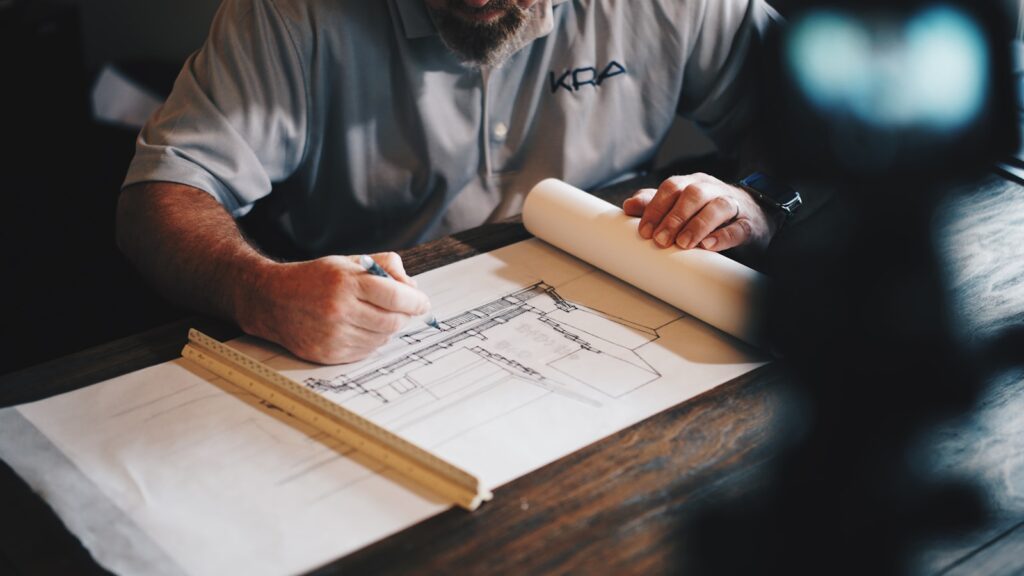
A beautiful rendering can hide a layout that frustrates you every single day. Home plan mistakes tend to be subtle on paper and dramatic in real life: awkward circulation, noisy bedrooms, kitchens that jam during meal rush, entries that swallow clutter. As an owner-builder, you have an advantage because you can interrogate the plan before it hardens—protecting both livability and budget. This guide walks through the most common pitfalls and shows you how to test, fix, and future-proof your layout so your finished home functions as well as it photographs.
Think of layout as choreography. Every door swing, sightline, and step has a cost in time, noise, or dollars. When you shape the movement of daily life—morning routines, groceries in, laundry out, guests arriving—you prevent dozens of micro-annoyances and avoid expensive change orders later. Use the sections below as a checklist during design reviews, and keep a red pen handy; the best time to improve a plan is before the first wall is framed.
Start With a Real Program, Not a Vibe
A layout without a program is guesswork. Write a one-page brief that documents who lives in the home, what a weekday looks like, and the tasks each room must support. Rank priorities: quiet sleep, fast meal prep, a real mudroom, a door that closes on the office. The program becomes your filter when square footage forces trade-offs.
Translate those priorities into measurable requirements. List room sizes, aisle widths, appliance clearances, and storage types you need. Identify non-negotiables like a zero-step entry or curbless shower. When you and your designer share the same program, fixes become surgical rather than sweeping.
Fix Circulation Before It Fixes You
Poor circulation is the root of many layout complaints. Look for pinch points at island ends, tight hallways that bottleneck, and door clusters that collide. Main paths should be 42–48 inches clear, with 36 inches as a hard minimum in quiet zones. If two people can’t pass comfortably, widen the path or relocate obstacles.
Follow the path of groceries from car to fridge, muddy boots from door to laundry, and guests from entry to powder room. If any route crosses bedrooms or detours through work zones, reconsider adjacencies. Efficient circulation saves square footage because you’re not burning area on curving or redundant corridors.
Align Noisy and Quiet Zones
Noise control is a layout decision long before it’s a construction detail. Keep bedrooms and the home office away from the great room, laundry, or stairwell. Avoid placing a bedroom under a kid’s loft or beside a TV wall. If the plan forces proximity, plan for sound-rated partitions, solid-core doors, and offset electrical boxes—but try to fix adjacency first.
Vertical alignment matters too. Stacking noisy rooms above noisy rooms (kitchen over kitchen, laundry over mudroom) reduces costly acoustic treatments. A quiet house feels more expensive, even when materials are modest.
Control Sightlines and Focal Points
Walk the plan with your eyes. From the front door, what do you see first—a window to the yard, a fireplace, a tree—or a powder room door and fridge side? Edit or move openings so long views land on something intentional. Center pendants, casework, or a window on the dominant axis to create calm.
Hide the toilet view from any public sightline. Use returns, partial walls, or a pocket door to separate private fixtures from the path. Keep the primary kitchen mess zone (sink, trash, dish stack) out of the main entry’s direct view; a short return or taller backsplash panel can preserve both openness and dignity.
Plan Kitchen Workflows, Not Just Triangles
The work triangle is useful, but modern kitchens thrive on zones: prep, cook, clean, and serve. Ensure landing space beside the fridge and oven, and 42–48″ aisles for two-cook circulation. Avoid placing the dishwasher where an open door blocks traffic to the sink or garbage.
Place trash/compost at the prep zone, not across the aisle. Add a secondary prep sink if two people cook often. Keep the beverage center and snack access on the room’s edge so kids and guests don’t cross the cook’s path. These micro-decisions prevent daily collisions and holiday gridlock.
Right-Size Bedrooms and Bathrooms
A bedroom is more than a mattress. Draw the bed at true size, add nightstands, and check that door swings and closet access still work. Plan 36 inches of clearance on circulation sides and 24–30 inches at the foot in tight rooms. In kids’ rooms, stage a desk or toy shelf on paper; if it doesn’t fit now, it won’t later.
Bathrooms should support real routines. A double vanity needs elbow room and dedicated storage; a single with a wide drawer stack might serve better in compact spaces. Keep showers 36×48 inches or larger for comfort and plan niche locations in the tile layout, not on site. Most importantly, place a powder room near the living core to protect bedroom privacy when entertaining.
Put Laundry Where the Laundry Lives
Laundry next to the primary closet or near bedrooms reduces steps. If budget allows, a secondary stackable near mudroom or suite is a friction-killer for multi-gen or muddy sports households. Provide a counter, hanging rod, and floor drain or pan where code allows. Keep machines away from shared walls with bedrooms unless you’ve planned sound control.
If circulation forces a single laundry to serve the whole home, design a clear workflow: hampers by room, staging surfaces out of walkways, and a door swing that doesn’t block access. A great laundry room hides chaos and keeps hallways clear.
Honor Storage and Utility Spaces
Insufficient storage sabotages even the prettiest plan. Allocate true volume for a walk-in pantry, linen, brooms, and seasonal bins. A real mudroom needs closed storage for off-season items plus open hooks and shoe drawers for daily use. Size the mechanical room generously; cramped equipment is noisy, hard to service, and risky for leaks.
Integrate blocking for future wall-hung items (shelves, vanities, TVs) at framing. Storage is the cheapest “luxury” you can add: it makes rooms feel calm because stuff has a home.
Coordinate Structure With the Plan
Random beams create random soffits and layout compromises. Ask your designer and engineer to align structural grids with walls and casework so beams don’t carve through ceilings where you want clean planes. Keep point loads off island corners and tub centers.
Think about future flexibility. Regular bay spacing and non-load-bearing interior partitions make later reconfigurations easier. A plan that can adapt will outlive styles and family shifts without expensive surgery.
Place Windows for Light and Privacy
Windows are for daylight, views, and ventilation—not just symmetry. On south and north facades, use larger groupings for luminous, low-glare spaces. On east and especially west, be strategic: smaller, shaded openings prevent afternoon heat. Keep sill heights low in living areas for seated views and higher in baths or street rooms for privacy with sky view.
Inside the plan, share light with interior transoms, glass doors, or a stair clerestory. If you rely on skylights or roof windows, detail the shafts insulated and straight to maximize light and prevent condensation. Good light improves mood and lowers electric use; poor placement breeds glare and blinds-down living.
Design Stairs That Invite, Not Punish
Staircases are circulation and sculpture. Confirm rise/run meets code and comfort (7–7.75″ rise, 10–11″ tread is a good feel). Avoid awkward turns unsupported by landings. Ensure headroom at the bottom; nothing ages a plan faster than a duck-under step.
Borrow light if the stair sits inboard: a high window, clerestory, or a borrowed-light panel at the landing transforms a dark well into a delightful pause point. Consider noise: keep stairs off bedroom walls or plan acoustic separation.
Map Door Swings and Use Pocket Doors Wisely
Door conflicts signal neglect. Overlay swing arcs on your plan to catch collisions with cabinets, toilets, or other doors. Where space is tight, a pocket or barn door can help, but don’t put pockets where you need to hang art, install plumbing, or mount switches in the cavity.
A simple rule: rooms you enter carrying things (pantry, laundry) benefit from outswing or pocket. Rooms requiring privacy (bathrooms, bedrooms) usually want solid swings with latches. A thoughtful door plan reads as quiet competence.
Draw Furniture at Full Size
Use true dimensions for sofas, tables, and beds—include circulation clearances. In living rooms, aim for 36 inches main circulation and 18 inches between sofa and coffee table. Ensure a wall can host a media unit with outlets and data where you actually want the screen. If furniture feels crammed on paper, it will feel worse in reality.
Tape outlines on the subfloor during framing if possible. Walk the spaces with a chair and cardboard boxes standing in for cabinets and appliances. Nothing beats a full-scale rehearsal for catching mistakes.
Stack Wet Walls and Plan Quiet Plumbing
Group bathrooms and the kitchen to share wet walls; this reduces cost and makes future changes easier. Avoid running drain stacks through bedrooms; if unavoidable, isolate them in framed chases with mineral wool and offset pipe supports.
Cluster mechanical and plumbing inboard so exterior walls can hold uninterrupted insulation. Keep hose bibbs, sillcocks, and condensate lines out of sightlines and away from main entries.
Design for Acoustics From the Start
Acoustic comfort is more than thick carpet. Use mineral wool in partitions around bedrooms, baths, and laundry. Add resilient channel selectively where TV walls back onto quiet rooms. Avoid back-to-back electrical boxes on opposite sides of the same stud bay; offset them to prevent sound leaks.
Treat large open rooms with a mix of soft surfaces—rugs, fabric panels disguised as art, acoustic slats. Good acoustics make gatherings pleasant and bedrooms genuinely restful.
Keep Flexibility in Multi-Use Rooms
Flex rooms should truly flex. A study with double doors, a closet, and adequate egress can stage as a bedroom for resale. A loft can double as a second office with data and power on two walls. Design built-ins to be removable or adaptable so the room can change roles without demolition.
Rough-in for a future kitchenette or laundry if you anticipate multi-gen living later. Capped water, drain, and power are cheap during rough-in and priceless later.
Balance Ceiling Heights and Proportions
Chasing volume everywhere creates heating load and awkward echoes. Use higher ceilings strategically—great room, entry—while keeping bedrooms cozy. Check how ceiling drops from ducts or beams intersect with window heads and cabinet tops; misaligned horizontals feel chaotic.
Proportions matter. A narrow, tall space can feel like a chute; a wide, flat space can feel squat. Use trim lines, beams, or paint breaks to tune perceived proportions without structural changes.
Plan Outdoor Living as Part of the Layout
Outdoor rooms extend living space and reduce pressure on the interior. Place the dining terrace near the kitchen with a direct, wide door. Reserve a grill alcove clear of doors and prevailing wind. Provide shade—overhangs, pergola—where afternoon sun hits hardest. Add outlets, hose bibs, and low-glare lighting on sensible switches.
Maintain sightlines for supervision if you have kids, while creating a smaller private nook off the primary suite. Outdoor room success is adjacency plus comfort; both start in the plan.
Protect Entries and Drop Zones
A great entry sets the tone and manages clutter. The front door needs a forecourt wider than the door, a place to step aside, and clear sightlines to the living core—not straight into a private hall. Inside, a closet or discreet console handles coats and parcels.
From the garage, a mudroom between door and kitchen absorbs daily life: hooks at two heights, closed storage, a bench, and a dirty-shoes zone. Without this buffer, kitchens drown in bags and coats, no matter how pretty the cabinets.
Provide Real Lighting and Switching Logic
Layouts fail when switching is chaotic. Group circuits logically: ambient, task, accent. Place three-way switches where paths begin and end. Avoid switch gangs on the most prominent walls; relocate them to return walls so focal walls stay clean.
Even if you love daylight, nights happen. Plan under-cabinet LEDs in the kitchen, vanity side lights at face height, and low night lighting for halls and baths. Rough-in ceiling boxes where pendants might move later to avoid fishing wires in finished ceilings.
Mind Code and Safety Early
Don’t paint yourself into code corners. Stairs must meet rise, run, and headroom; bedrooms require egress windows of legal size and sill height; smoke/CO alarms must be interconnected. Plan railings that meet graspability rules and landings deep enough to feel safe.
If a room is staged as a bedroom, give it legit egress and a closet or clear space for one. “Bonus rooms” without code-compliant exits limit resale and insurance coverage.
Budget With Layout Discipline
Changing a wall on paper is cheap; moving it after framing is costly. Agree on freeze dates for plan changes—ideally before engineering and again before mechanical rough-in. If you must change late, use your program to protect high-impact areas and sacrifice low-impact flourishes.
Track allowances tied to layout—cabinets, tile, lighting. If you add a door or push a wall, update counts and lengths immediately so budgets keep pace with drawings. Discipline here prevents death by a thousand small overruns.
Test the Plan at Full Scale
Nothing beats full-scale rehearsal. Tape major furniture and clearances on the subfloor during framing. Walk the grocery path, stand at the cooktop, sit in the office, and “do laundry.” Mark problem spots with painter’s tape and photos, then issue a concise fix list to your designer and builder.
If on-site testing isn’t possible, lay out key rooms in a garage or driveway with tape, boxes, and a folding table. Free “VR” with cardboard reveals more than hours of scrolling inspiration.
Accessibility Moves That Help Everyone
Subtle Universal Design supports strollers, injuries, and aging. Provide zero-step entry at one door, lever handles, wider cased openings in main zones, and at least one curbless shower with blocking for future grab bars. None of these choices shout; all of them lift daily ease and resale appeal.
Even if you don’t install an elevator, stack closets to reserve a shaft for a future lift. Flexibility today is independence later.
Think About Resale Without Designing by Committee
Protect bed/bath counts, add storage that every buyer wants, and keep weirdness out of fixed elements. A study that can legally be a bedroom, a true pantry, and a good laundry trump niche rooms. Document envelope quality and systems in a simple home manual so future buyers see value beyond finishes.
Consistency of finish level across rooms matters. Don’t lavish one bath and starve others if budget is tight; even quality across spaces reads better than a single showpiece.
Common Plan Patterns to Rethink
- Kitchen far from the garage: groceries cross the house. Fix by moving the pantry or garage door.
- Powder room off the kitchen: awkward smells and sound. Insert a short hall or relocate.
- Owner’s bath window facing the busy deck: privacy war. Use higher sills, obscure glass, or move the deck door.
- Laundry in a thoroughfare: constant door conflicts. Create a separate room with enough turning space.
- Primary suite sharing a wall with living room TV: sleep vs. movie night. Thicken or move the partition.
Small relocations solve big daily frustrations.
Quick Owner-Builder Checklist
- Write a program with ranked priorities and measurable requirements
- Check circulation widths and resolve pinch points, especially at island ends
- Separate noisy and quiet zones; stack like with like
- Edit sightlines from entries; hide toilets and clutter zones
- Design kitchen zones with landing space and non-crossing traffic
- Right-size bed/bath clearances; place a powder near the social core
- Put laundry near bedrooms; add a secondary stackable if possible
- Allocate real storage and a functioning mudroom; size mechanical rooms
- Align structure to avoid random soffits; keep partitions flexible
- Place windows for daylight and privacy; plan shading on east/west
- Confirm stairs comfort, headroom, and light; avoid bedroom adjacencies
- Map door swings; use pockets selectively
- Draw furniture to scale; field-test with tape before drywall
- Stack wet walls; route noisy plumbing away from bedrooms
- Build acoustic separation around bedrooms, baths, and laundry
- Keep flex rooms truly adaptable with closets, power, and data
- Balance ceiling heights and align with casework and window heads
- Integrate outdoor rooms with adjacency, shade, power, and lighting
- Protect entries and drop zones; keep routes clear and generous
- Plan lighting layers and sane switching; pre-wire shade pockets
- Verify code for egress, stairs, smoke/CO alarms
- Freeze layout before engineering and again before MEP rough-in
- Test at full scale; issue a concise revision list
- Include universal design touches quietly
- Preserve bed/bath counts and even finish quality for resale
FAQs
What’s the single most important layout rule?
Get circulation right. Clear, generous paths unlock every other function and reduce conflicts. If people move easily, rooms feel larger and calmer.
How wide should main walkways be?
Aim for 42–48 inches in primary routes, 36 inches minimum in secondary paths. Enforce this around islands and between furniture, not just in hallways.
Is open concept still a good idea?
Yes—when balanced with acoustic control and escape rooms (office, den). Use casework, ceiling changes, and partial walls to define zones without killing sightlines.
How do I avoid layout changes during construction?
Hold freeze meetings before engineering and before MEP rough-in, and tape out key rooms on the floor. Vet door swings, furniture, and clearances at full scale.
What’s an easy upgrade that prevents regrets?
A real mudroom with closed storage, a powder room near the social core, and stacked wet walls. These three touch daily life, budget, and maintenance.
Takeaway
Great home plans feel effortless because the hard thinking happened early. When you ground your design in a clear program, protect circulation, separate loud from quiet, and place windows for daylight and privacy, you avoid the traps that drive costly revisions and daily frustration. Add storage where clutter wants to gather, size utilities to real routines, and coordinate structure so ceilings stay clean. Test it all at full scale, document decisions, and freeze the plan at the right moments.
As an owner-builder, you can embed these choices in the studs and circuits, not just in the décor. Do the choreography now, and your finished home will work as smoothly on a Tuesday morning as it does in a listing photo—calm, efficient, and ready for the way you actually live.
