How to Avoid Legal Issues When Building Near Protected Land
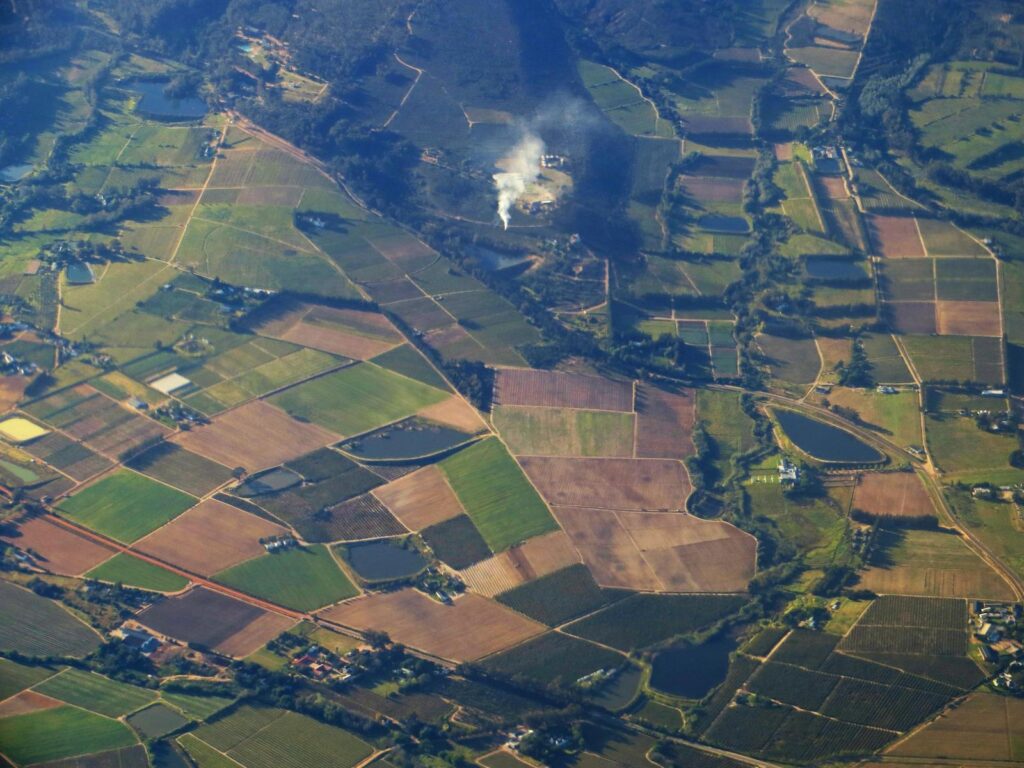
Building near protected land can be rewarding—you’re surrounded by views, wildlife, and open space—but it’s also one of the fastest ways to wind up in a regulatory tangle if you don’t plan it right. I’ve seen projects lose a year and six figures because someone pushed dirt into what “looked like a ditch,” or scheduled tree removal in nesting season. The good news: with smart due diligence, the right team, and a bit of patience, you can build responsibly and avoid legal potholes.
What “Protected Land” Actually Means (It’s Broader Than You Think)
Protected land isn’t just national parks and wildlife refuges. It can be anything with legal or regulatory protection that restricts how you build, when you build, or what you can impact. Common categories:
- Federal and state conservation lands: national parks, wildlife refuges, state preserves, national forests.
- Wetlands and waters: including small seasonal wetlands, streams, riparian buffers, and floodways. Many are regulated even if they’re dry part of the year.
- Critical habitat for endangered or threatened species: designated under the Endangered Species Act (ESA).
- Coastal zones, dunes, and beaches: often regulated by state coastal commissions.
- Wild and scenic rivers or shorelines: special setback and access rules apply.
- Conservation easements: private land with recorded restrictions (your neighbor’s easement can restrict what you do on your side if the easement terms require buffers or viewsheds).
- Historic and cultural resources: historic districts, archaeological sites, tribal cultural resources.
- Local overlay zones: habitat conservation plans (HCPs), greenbelts, scenic corridors, heritage tree protections.
- Floodplains and floodways: FEMA flood zones with elevation, fill, or no-build rules.
The trick is that “protected” often extends beyond the boundary line. A wetland on your neighbor’s parcel can trigger buffer requirements on yours. A historic district across the street can control your exterior finishes and height. Don’t assume you’re clear just because the protected parcel is “over there.”
Why It Matters: Costs, Penalties, and Delays
A short list of what goes wrong when you misstep:
- Stop-work orders: everything halts while regulators investigate. Even a week of downtime can cost tens of thousands in idle crews and schedule slip.
- Civil penalties: for example, Clean Water Act violations can bring per-day, per-violation fines in the tens of thousands. ESA “take” violations can also trigger serious penalties. These amounts are periodically adjusted for inflation.
- Remediation and mitigation: removing unauthorized fill, restoring habitat, and buying mitigation credits—often the most expensive part.
- Schedule drag: agency permits can take months. Appeals may add 6–12 months.
- Reputational damage: especially with vocal neighbors or active NGOs.
On the flip side, projects that engage early with agencies and design around sensitive areas often get goodwill and faster approvals. I’ve watched a client cut six months off the timeline by opting for a boardwalk over a seasonal drainage instead of a culvert, eliminating a federal permit.
A Practical Roadmap: How to Build Near Protected Land Without Legal Headaches
Step 1: Start With Desktop Recon (Before You Go Under Contract)
Pull as much information as possible at your desk:
- County GIS and zoning maps: look for overlay zones, setbacks, scenic corridors, resource protection areas.
- FEMA Flood Map Service Center: identify flood zones (AE, VE, floodway). Building in AE is doable with elevation/floodproofing; floodways are much harder.
- USFWS IPaC (Information for Planning and Consultation): see if your site intersects critical habitat or species ranges. It’s free and quick.
- National Wetlands Inventory (NWI): a heads-up for likely wetlands. Not perfect, but useful.
- State environmental portals: most states maintain layers for wetlands, rare species, heritage trees, coastal jurisdictions, and historic resources.
- National Register of Historic Places and State Historic Preservation Office (SHPO) tools: flags for historic buildings and archaeological sensitivity.
- Aerials and topography: look for hydric signatures (dark, patchy vegetation), drainage swales, fringe vegetation, and depressions.
If any of these light up, budget extra time and money for studies and permitting. If several light up—say wetlands plus coastal zone plus critical habitat—be ready for a careful, phased plan.
Step 2: Write Your Purchase Contract to Protect You
This is where strong language saves your project. Work with a land-use attorney to include:
- Due diligence contingency: 60–120 days is common for complex sites. Bigger projects may need 180+.
- Permitting contingency: make closing contingent on securing key permits (wetland, coastal, major discretionary approvals).
- Access for surveys: explicit rights to bring in biologists, archaeologists, drill rigs, etc.
- Boundary certainty: requirement for an ALTA/NSPS survey with easements plotted. I’ve seen invisible conservation easements pop up late and kill financing.
- Extensions for agency delays: automatic extensions if you’re waiting on agencies in good faith.
- Clear allocation of risk: spell out who pays for mitigation if a protected resource discovery changes the plan.
Skipping this step is how you end up owning a parcel you can’t entitle.
Step 3: Assemble the Right Team Early
Don’t wait for problems to show up. Get the team in place:
- Land-use attorney: your translator and strategist for local codes and state/federal laws.
- Environmental consultant: a firm that does biological surveys, wetland delineations, permitting, and mitigation plans.
- Civil engineer: site layout, drainage, grading that respects buffers and hydrology.
- Surveyor: boundary, topographic, and tree surveys. Tree protection is often regulated; exact trunk diameters matter.
- Cultural resources specialist: for historic/archaeological work and SHPO/tribal consultation.
- Geotechnical engineer: you’ll need this anyway; they also help with boardwalks, helical piles, and low-impact foundations.
- Public affairs or community outreach (for larger projects): to reduce appeal risk.
I like to hold a kickoff with the entire team to align on constraints and a conservative schedule. When the engineer and the biologist are talking early, you avoid redesigns.
Step 4: Field Studies That Stand Up to Scrutiny
Expect these on or near protected lands:
- Wetland delineation: a qualified wetland scientist flags boundaries using federal and state criteria. Plan for 2–8 weeks for fieldwork and an additional 2–6 weeks for agency verification during busy seasons.
- Jurisdictional determinations: U.S. Army Corps of Engineers (and sometimes state agencies) review whether waters are federally/state regulated.
- Biological surveys: species-specific surveys may have timing windows (e.g., spring for plants, certain months for amphibians, dawn/dusk for bats). Some require permitted biologists.
- Tree survey and arborist report: especially where heritage trees are protected, or oak woodlands, mangroves, or cypress.
- Cultural resources survey: pedestrian surveys, shovel test pits, or remote sensing, depending on site sensitivity.
- Hydrology and flood studies: especially if you’re near floodways or plan a crossing.
Typical budgets I see (very rough, varies by region and site size):
- Wetland delineation: $3,000–$15,000; complex sites $20,000+.
- Biological baseline and focused surveys: $5,000–$50,000; more for multiple species with seasonal visits.
- Cultural resources survey: $5,000–$25,000; data recovery if artifacts found can run $50,000+.
- Tree survey: $2,000–$10,000 depending on tree density and acreage.
Step 5: Pre-Application Meetings With Agencies
You’ll move faster if you talk to regulators before finalizing the design. Typical agencies:
- Local planning and building departments: zoning, setbacks, grading permits.
- State environmental/water quality agency: wetlands, water quality certification, stormwater, coastal.
- U.S. Army Corps of Engineers (USACE): Clean Water Act Section 404 permits for discharging fill into waters/wetlands.
- U.S. Fish & Wildlife Service (USFWS) and/or NOAA Fisheries: endangered species coordination.
- State Historic Preservation Office (SHPO) and tribal representatives: cultural resources consultation.
- Coastal commission or local coastal program authority: for shorelines and dunes.
- Floodplain administrator: elevation and floodproofing requirements.
Bring: a base map with constraints overlaid, a concept site plan, survey data, and a list of specific questions. Ask for:
- Required permits and likely pathways (e.g., nationwide vs. individual permits).
- Early red flags and preferred avoidance measures.
- Seasonal timing windows for construction.
- Monitoring and mitigation expectations.
- Whether a formal environmental review is triggered (NEPA at federal level; many states have their own like CEQA in California or SEQRA in New York).
I’ve sat in meetings where one well-phrased question saved months: “If we span this drainage with a clear-span bridge and keep piers out of the ordinary high-water mark, can we avoid a 404 permit?” Sometimes the answer is yes.
Step 6: Design to Avoid and Minimize Impacts
Permitting and costs get exponentially easier the more you avoid direct impacts. Design strategies that consistently work:
- Buffers: stay outside regulatory buffers (often 25–300 feet depending on resource). Add a voluntary buffer where you can; agencies notice.
- Compact footprint: cluster development away from sensitive edges; leave larger contiguous open space rather than fragmented scraps.
- Low-impact access: use existing disturbed routes; where crossing is unavoidable, consider:
- Clear-span bridges or boardwalks;
- Helical piers rather than footings in wetlands;
- Directional drilling for utilities under streams.
- Drainage and stormwater: plan for infiltration and treatment near the source:
- Bioswales, rain gardens, permeable paving, green roofs.
- Size detention to mimic pre-development hydrology and protect downstream habitats.
- Stabilize outfalls and avoid new concentration points near protected areas.
- Wildlife-friendly design:
- Shielded, warm-spectrum lighting; turtle-friendly lighting on coasts.
- Wildlife crossings, amphibian tunnels, or fencing where appropriate.
- Quiet construction equipment or sound barriers near sensitive species.
- Tree and root protection: fence the root protection zone (often dripline plus a buffer). Prohibit equipment and storage inside this zone.
- Avoid night work and high-noise operations during sensitive windows (e.g., nesting season). If unavoidable, coordinate with agency-approved monitors.
Budget 10–20% for contingencies and design tweaks during agency review. The first sketch rarely survives intact.
Step 7: Permits You May Need (and Rough Timeframes)
This varies by state, but a realistic menu looks like:
- Clean Water Act Section 404 (USACE): for fill in wetlands/waters.
- Nationwide Permits: 2–6 months if impacts are minimal and standard conditions are met.
- Individual Permits: 6–18 months; requires alternatives analysis and public notice.
- Clean Water Act Section 401 Water Quality Certification (state): 2–6 months; runs in parallel with 404.
- NPDES Construction Stormwater Permit and SWPPP: 2–8 weeks; required for most sites disturbing 1+ acre.
- Endangered Species Act consultation (Section 7 if there’s a federal nexus, or Section 10 incidental take permit): ranges from a few months to a year for complex species issues.
- State wetlands or surface water permits (names vary): 2–6 months.
- Coastal permits: 3–12 months; more if in sensitive dune or shoreline zones.
- Floodplain development permit and elevation certificate: a few weeks if design is compliant; longer if map amendments are needed.
- Cultural resources clearance: 1–6 months for surveys and SHPO review; more if data recovery is required.
- Local discretionary approvals: site plan, conditional use permits, variances; public hearings can add several months.
Build your schedule around the longest pole—often endangered species or an individual 404 permit.
Step 8: Construction Compliance That Actually Works in the Field
Most violations happen here. Put guardrails in place:
- Pre-construction kickoff with regulators (if appropriate) and your environmental team. Walk the boundaries and confirm fencing locations.
- Install and maintain erosion and sediment controls:
- Silt fence, wattles, check dams, stabilized entrances, turbidity curtains near water.
- Inspect before and after storms; fix promptly.
- Environmental fencing and signage: bright fencing around protected areas and buffers, with “No Work Beyond This Point” signage. Include in subcontractor orientation.
- Stormwater Pollution Prevention Plan (SWPPP): keep logs, inspection reports, and photos. Agencies love organized records when they stop by.
- Biological and archaeological monitors: required on some sites. Listen to them. They’re your insurance against accidental “take” or inadvertent discoveries.
- Materials and equipment staging: keep laydown yards, concrete washouts, and fueling well away from sensitive areas.
- Dewatering: if you must dewater, filter before discharge and route to approved locations. Some states require specific permits for dewatering.
- Change management: if field conditions force a layout change near a protected area, stop and consult before proceeding. Unauthorized “minor” changes cause major headaches.
Step 9: Post-Construction Obligations
Don’t forget the finish line:
- Monitoring and reporting: mitigation plantings often require 3–5 years of monitoring with survival and performance standards.
- Conservation easement compliance: annual reports, access for easement holders, restrictions on mowing and clearing.
- Stormwater facility maintenance: your HOA or owner may be responsible for inspections, sediment removal, or vegetation management.
- Adaptive management: if monitoring shows a problem (e.g., erosion into a stream), fix it quickly and document the remedy.
Realistic Costs and Timeframes
No two sites are the same, but here’s what I tell clients as a starting point:
- Due diligence period: 60–120 days for medium projects; 180+ for complex ones.
- Entitlements and permits: 6–18 months, depending on complexity and public interest.
- Environmental studies: budget $15,000–$100,000 for a modest residential development near sensitive areas; larger projects easily exceed that.
- Mitigation:
- Wetland mitigation bank credits: $50,000–$500,000 per acre depending on region and scarcity; ratios typically 1:1 to 3:1.
- On-site habitat restoration: $20,000–$150,000+ including monitoring.
- Legal and consulting: land-use attorney $300–$800/hr; total legal budget often $10,000–$100,000 depending on hearings, appeals, and negotiations.
- Contractor compliance costs: environmental monitoring, BMPs, and fencing may add 1–3% to sitework budgets.
It’s common to see a project budget 5–10% for environmental and permitting-related costs when near protected areas.
Common Mistakes—and How to Avoid Them
- Assuming a ditch isn’t regulated. Seasonal and intermittent channels are often jurisdictional. Get a wetland scientist to confirm.
- Clearing outside permit conditions. Don’t clear vegetation “to get ahead” before permits are issued or seasonal windows open.
- Thin contingencies in the purchase contract. If permits are the bottleneck, your contract needs to reflect that reality.
- Relying solely on the National Wetlands Inventory. It’s a starting point, not a final answer. Field delineations are what count.
- Skipping a pre-app meeting. Agencies tend to be more flexible when you engage early with options.
- Designing into the buffer line. Build in extra buffer. Field staking always moves points slightly, and agencies value a margin of safety.
- Neglecting cultural resources. Even if no structures are on-site, archaeological resources may be below ground. Include an inadvertent discovery plan.
- Poor stormwater planning. Erosion downstream of a protected area will get you in trouble fast.
- Underestimating neighbor influence. A well-organized neighborhood group can appeal your permits and add months. Engage them respectfully and early.
Case Studies From the Field
Case 1: The 0.2-Acre “Non-Issue” That Became a 14-Month Delay
A small builder filled a shallow depression to extend a backyard—no permit, no survey. A complaint triggered an investigation. The depression was a jurisdictional wetland connected via a swale to a nearby stream. Result: stop-work order, civil penalties, removal of the fill, purchase of mitigation credits, and agency monitoring. All told, the fix cost roughly $180,000 and delayed the project by 14 months.
What would have prevented it:
- Desktop review plus a $5,000 wetland delineation.
- A revised grading plan keeping fill out of the wetland and adding a buffer.
Case 2: Winning Over a Coastal Commission With Design Tweaks
A coastal infill project encountered sea turtle nesting concerns and glare onto dunes. The initial design had bright pole lights and a wide, traditional boardwalk. After pre-application feedback, the team:
- Switched to low, shielded, warm-color lighting with timers and motion sensors.
- Narrowed the boardwalk and raised it slightly, allowing dune vegetation to continue underneath.
- Added turtle-safe window glazing facing the beach.
Permitting time dropped, and the commission praised the design as a model for future applicants.
Case 3: Cultural Surprise During Trenching—and a Good Save
A contractor uncovered artifacts during utility trenching near a known historic district. Because the project had an inadvertent discovery plan and an archaeologist on call, the crew stopped work, secured the area, and called the specialist. The find was documented, a small salvage excavation completed, and work resumed within five days. No penalties, no PR blow-up.
The lesson: planning beats panic.
Special Environments and How to Approach Them
Wetlands and Waterways
- Determine jurisdiction early. Federal waters trigger 404; states often regulate isolated wetlands too.
- If crossing is unavoidable, minimize footprint and consider spanning. Boardwalks, clear spans, or HDD utilities can avoid triggers.
- Expect mitigation if you impact wetlands. On-site creation/rehab or buying bank credits at specified ratios.
Coastal Zones and Beaches
- Turtle-friendly lighting: shielded, amber/warm spectrum, low mounting heights, no uplights.
- Dune protection: avoid grading and foot traffic on dunes; elevate access instead of cutting paths.
- Storm surge and flood design: breakaway walls, piles, elevated mechanicals, and corrosion-resistant materials.
- Schedule: many coastal areas limit work during nesting/bird seasons.
Forested and Wildland-Urban Interface (WUI)
- Tree protection ordinances: permits required to remove heritage trees; significant fines for unauthorized removal.
- Root zones: fencing and no-disturbance zones save trees and keep you out of trouble.
- Firewise design: defensible space, ignition-resistant materials, enclosed eaves. Some of this is required near protected forests.
Endangered Species Habitat
- Use USFWS IPaC early and follow with focused surveys if indicated.
- Work windows: many species have seasonal restrictions for clearing or heavy equipment.
- Habitat Conservation Plans (HCPs): in some regions, buying credits or paying fees under an HCP streamlines compliance.
Historic Districts and Archaeology
- Early coordination with SHPO and the local historic review board.
- Exterior design review: materials, colors, rooflines often regulated—even for new construction in a district.
- Archaeological monitoring: especially for projects in known sensitive areas; include stop-work procedures.
Mitigation and Offsets: When Avoidance Isn’t Possible
Sometimes impact is unavoidable. Your options:
- Mitigation banking: purchase credits from a bank that has already restored habitat.
- Pros: faster, more predictable.
- Cons: can be expensive; credit availability varies regionally.
- In-lieu fees: pay into a fund that builds mitigation elsewhere. Works in some states.
- Permittee-responsible mitigation: you build and maintain mitigation on or near your site.
- Pros: may integrate into your open space.
- Cons: multi-year monitoring and performance standards; higher risk.
Agencies look for the mitigation hierarchy: avoid, minimize, then mitigate. Document alternatives you considered and why the chosen option is the least damaging practicable alternative.
Working With Neighbors and NGOs
Public opposition can delay a project even when you’re compliant. Practical moves:
- Early outreach: host a site walk, share constraints and what you’re doing to protect resources.
- Visuals help: show buffer fencing, crossing designs, lighting plans, and monitoring commitments.
- Incorporate reasonable requests: an extra 10-foot buffer or a native planting list can defuse tension.
- Keep promises: any commitments you make, write them into your plans and conditions so they’re enforceable—and then follow them.
I’ve seen appeals dropped after developers agreed to trail alignment and native landscaping along a greenbelt, at modest cost.
Insurance and Contracting for Environmental Risk
- Environmental impairment liability (EIL) insurance: covers certain accidental releases and environmental claims not covered by general liability.
- Contractor qualifications: require proven environmental compliance history and training; include liquidated damages for BMP failures.
- Subcontractor onboarding: environmental orientation before work starts, with a sign-in sheet for documentation.
- Indemnity clauses: make sure responsibility for environmental violations is clearly allocated—and insured.
What If You Receive a Notice of Violation or a Stop-Work Order?
Take it seriously and act fast:
- Stop the offending activity immediately and stabilize the area (e.g., install temporary controls).
- Notify your land-use attorney and environmental consultant. Don’t argue on-site; gather facts.
- Document with photos, logs, and as-built conditions.
- Request a meeting to agree on corrective actions and timelines.
- Implement corrective measures and provide proof of completion.
- Review and tighten your internal controls so it doesn’t happen again.
Regulators are far more lenient when you respond quickly, cooperatively, and comprehensively.
Practical Checklists You Can Use
Pre-Offer and Contract Checklist
- Pull FEMA, zoning, NWI, IPaC, SHPO/historic, and state GIS layers.
- Walk the site after rain; look for hydric soils, standing water, or water-stained vegetation.
- Confirm recorded easements and encumbrances with a title report.
- Draft purchase agreement with:
- Due diligence and permitting contingencies.
- Survey and access rights.
- Extension rights for agency delay.
- Risk allocation for environmental surprises.
Pre-Application Checklist
- Hire environmental consultant, civil engineer, surveyor, and land-use attorney.
- Commission wetland delineation, biological baseline, tree and cultural surveys as needed.
- Prepare a concept plan with avoidance areas sketched.
- Schedule pre-app meetings with relevant agencies; bring clear questions.
Design and Permitting Checklist
- Avoid buffers; if not possible, minimize and propose mitigation.
- Select low-impact crossings and wildlife-friendly lighting.
- Finalize drainage and stormwater BMPs; draft SWPPP.
- Prepare permit applications: 404/401, state wetlands, coastal, floodplain, local discretionary approvals.
- Plan for seasonal construction windows.
Construction Checklist
- Pre-construction meeting with contractor and environmental team.
- Install and maintain fences, signage, and BMPs; schedule inspections.
- Train all crews; keep sign-in sheets and daily logs.
- Coordinate monitors for biology and archaeology if required.
- Implement change control: no field deviations near sensitive areas without approval.
Post-Construction Checklist
- Complete as-builts and compliance reports.
- Begin mitigation monitoring and submit required reports.
- Transfer maintenance obligations to owner/HOA with clear O&M manuals.
- Calendar recurring obligations (easement inspections, stormwater maintenance, reporting deadlines).
Regional Notes and Examples
Rules vary, but here are a few regional patterns I encounter:
- California: CEQA drives environmental review; coastal development permits in the Coastal Zone are rigorous; oak woodland and riparian protections are common; construction bird-nesting season constraints are widespread.
- Florida: wetland and ERP permits often include manatee protection conditions; turtle lighting rules on coasts; high water table and dewatering permits are routine.
- Texas: fewer statewide wetlands rules beyond federal, but strong floodplain management in many counties; coordination with Texas Parks & Wildlife often expected.
- New York: SEQRA environmental review; DEC-regulated wetlands with 100-foot buffers; Adirondack Park Agency rules in designated areas.
Wherever you are, start with local planning staff—they’ll point you to the right state and federal contacts.
FAQs I Hear All the Time
- Can I build if there’s a wetland on my property?
Often yes, but expect buffers, careful design, and possibly mitigation if impacts are unavoidable. Many successful projects avoid the wetland entirely and cluster development elsewhere on the site.
- The NWI doesn’t show wetlands; am I in the clear?
Not necessarily. NWI misses small or seasonal wetlands. Field delineations and agency verifications carry the weight.
- How long will permits take?
Minimal-impact projects with smart design can secure approvals in 3–6 months. Complex projects with federal permits and public hearings can run 12–18 months.
- Are conservation easements flexible?
Rarely. Easement terms are legally binding, and violations can be costly. Get the recorded document and understand the holder’s interpretation.
- Can I do minor grading or tree clearing “just to get started” while permits are pending?
That’s how most violations happen. Wait until permits are in hand and seasonal windows are open. If you must mobilize, keep activities strictly outside sensitive areas and document the limits.
- What if I find artifacts or bones during construction?
Stop work, secure the area, and call your archaeologist and the appropriate authority. Your inadvertent discovery plan should spell this out. Quick, proper handling usually keeps you out of trouble.
A Few Personal Lessons Learned
- Walk the site after a storm. I’ve found “mystery” wetland flags the day after heavy rain when new flow paths reveal themselves.
- Agencies appreciate honesty. When a subcontractor tore silt fence and silted a creek, we self-reported, fixed it the same day, and submitted a corrective action plan. No fine, just a stern warning.
- Over-communicate with your contractor. The foreman who knows exactly where the “no-go” lines are is your best defense.
- Don’t be afraid to spend on design to save on permits. A $25,000 clear-span footbridge can avoid six months and $100,000 in permitting and mitigation.
Your Action Plan for the Next 30 Days
- Run desktop checks on your site: FEMA, IPaC, NWI, local GIS layers.
- Call a local land-use attorney for a one-hour consult to identify likely permits.
- Budget for and schedule a wetland delineation and a biological baseline survey.
- Draft a concept plan that assumes buffers and low-impact access.
- Set a pre-application meeting with the local planning department and, if applicable, the state wetlands office or coastal authority.
- Build a realistic timeline and contingency to share with your lender or partners.
The Bottom Line
You can absolutely build near protected land without legal drama—but only if you respect the rules, bring in the right experts, and make smart design choices. Treat the resource as a constraint to design around rather than a hurdle to push through. When you do, permits come quicker, neighbors get on board, and your project is more resilient and valuable. It’s not just about avoiding fines; it’s about building something that works with the landscape, not against it.

