How to Choose the Best Lot for Your Home Build
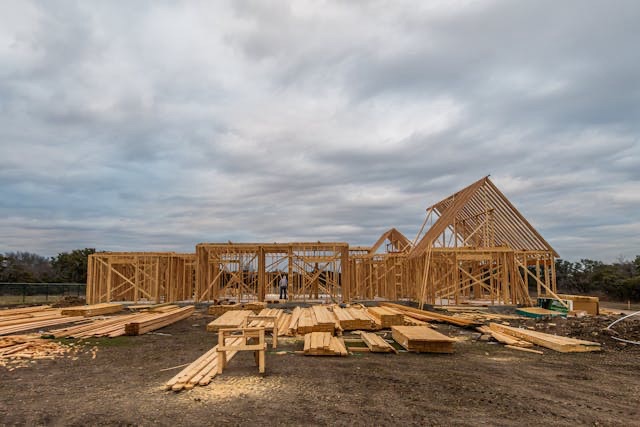
Choosing the best lot is the most consequential decision you’ll make for your home build. It fixes what your house can be, how much it will cost to construct and operate, how long approvals will take, and how the place will feel at 7 a.m. in January versus 7 p.m. in July. A “great deal” on dirt that demands blasting, retaining walls, septic gymnastics, and a year of permits isn’t a deal at all. Conversely, the right site can make the same plan easier to build, cheaper to run, quieter, brighter, and worth more on day one. This guide shows you how to evaluate lots like a pro—balancing location, legal buildability, site physics, utilities, climate, and permitting—and gives you a step-by-step due diligence process and decision framework you can actually use.
Start With a Clear Brief (What “Best” Means for You)
Translate lifestyle into site needs
Before you open a map app, define “best” in terms of how you’ll live. If you work from home, prioritize broadband availability, quiet surroundings, and a floor plan that can close a door. If you have small kids or dogs, you’ll value a gentle grade, safety on the street, and a yard that isn’t a terraced staircase. Entertain often? Parking and a sensible approach matter. Love gardening? Soil depth, sun access, and water availability count. “Views” and “acreage” sound universal, but they aren’t; the best lot is a match to your routine, not a postcard.
Budget and tolerance for site costs
Lot price is only the headline. Your total land cost is purchase price + sitework + utilities + approvals + time. Two similarly priced lots can diverge by six figures once you price grading, retaining walls, driveways, well/septic, power extensions, and tap fees. Be honest about your appetite for complexity. If you want predictability, favor infill sites with utilities at the curb and simple topography. If you enjoy project puzzles and your budget has contingency, more rugged parcels can shine—but only if the numbers still land.
Location & Context: Macro Matters Before Micro
Commute, schools, services, and noise
Daily friction beats granite. Test actual commute times, school districts, and proximity to groceries, healthcare, parks, and transit at the hours you’d use them. Visit at night and on weekends to gauge noise from highways, trains, flight paths, or neighbor uses (contractor yards, event venues). Confirm cell coverage and line-of-sight for fixed wireless or fiber; internet quality shapes modern life as much as short drives do.
Neighborhood trajectory and comps
Lots don’t exist in isolation; the neighborhood trajectory dictates future value and how your home will “read.” Study recent new builds and sales. If your intended size and finish level far exceed nearby comps, you risk overbuilding; if they’re aligned or slightly leading, you’re safer. Research planned infrastructure, zoning changes, or commercial projects that could improve or erode quality-of-life. A modest lot in a stable, improving context often beats a glamorous parcel in a stagnating area.
Legal Buildability: What the Paperwork Allows
Zoning, setbacks, and build envelope
A lot is only as “big” as its net buildable envelope. Zoning controls setbacks, height, lot coverage, floor area ratio (FAR), daylight planes, and sometimes parking. Sketch the envelope on a copy of the survey to see what footprints and roof forms fit. Corner lots often have two front-yard setbacks; flag lots may have unique rules; hillside and coastal overlays add layers. If your target plan can’t fit without variances, proceed only if you’re comfortable with a slower, less certain path.
Easements, CC&Rs, and HOAs
Title documents and plats reveal easements for drainage, utilities, access, or conservation. An easement across your flattest pad can crush a layout. Covenants, Conditions & Restrictions (CC&Rs) and HOA or Architectural Review Board (ARB) guidelines can limit height, roof materials, color palettes, garages, and ADUs. Sometimes those rules protect value; sometimes they force expensive materials or delays. Read them before you fall in love.
Survey & title essentials
Order or obtain a recent boundary survey with improvements, easements, and encroachments shown. Confirm access is legal and recorded (ingress/egress). Have a title professional explain exceptions you don’t recognize—mineral rights, shared wells, old road rights. The cheapest time to learn a fence is in the wrong place or a neighbor’s shed crosses the line is before you own the problem.
Site Physics: Topography, Soils, and Drainage
Slopes, grading, and walls
Topography drives cost. Flat-ish sites (0–10% slope) are generally cheaper to build. Moderate slopes (10–20%) can work with stepped foundations, partial basements, or split levels. Beyond that, expect retaining walls, engineered drainage, and more excavation. Walk the site: Is there space for staging and turning trucks? Where would spoil piles go? Can you balance cut and fill to avoid trucking dirt off site? Small slope errors on paper become big line items in reality.
Soils, geotech, and perc tests
Soil type determines foundation design and often your septic fate. Expansive clays want moisture management and specific footings. Shallow bedrock invites hammering or blasting. High water tables can complicate basements and septic. Pay for a Geotechnical Investigation in feasibility if risks appear; it’s the cheapest “insurance.” If not on sewer, schedule a perc (percolation) test and septic design consult early—an unbuildable septic field is a deal breaker, and alternative systems add notable cost.
Stormwater, flood, and wetlands
Water always wins. Check FEMA flood maps and any local floodplain data. Walk after rain to see sheet flow paths; look for silt lines and water-loving plants that suggest wetlands. Many jurisdictions require on-site stormwater management (infiltration, detention, or bio-swales). On tight lots, these features consume space and money; on rural parcels, they dictate pad location. Budget for erosion control during construction in wet climates; failing slope protection burns time and cash.
Utilities & Access: Cost and Feasibility
Water, sewer vs septic, power, and data
Utilities at the lot line are gold. If you must extend power, ask the utility for a written layout and cost (distance, trenching, transformer, pole set). Water can mean city taps and capacity fees or a well with drilling risk and pump power needs. Sewer is simpler than septic operationally, but tap fees vary widely; septic can be excellent on big lots if soils cooperate. Verify gas availability if you plan to use it—or plan all-electric with adequate panel capacity. For modern life, confirm fiber or reliable alternatives; “up to” speeds aren’t the same as real performance.
Driveway and fire access
Access drives price and safety. Many jurisdictions require fire apparatus access: driveway width, grade limits, turnarounds, and load rating. Long or steep drives mean more snow management, more gravel or pavement, and possibly retaining. Check sight distance at the road; if you can’t pull out safely, expect mitigation costs (vegetation removal, regrading, or moving the drive). Culverts and drainage features add dollars and require permits.
Tap fees and extension costs
“Cheap” land can hide tap fees that rival a kitchen budget or utility extensions that swallow contingency. Call utility providers and the city/county to confirm fees in writing: water, sewer, power, gas, impact fees, and school or transportation assessments. Add realistic contractor quotes for trenching and restoration. These aren’t maybes; they’re math that should alter the price you’re willing to pay.
Climate, Orientation, and Passive Performance
Sun path, wind, and shade
The lot’s orientation and surrounding obstructions set your passive comfort ceiling. In most temperate climates, a south-leaning exposure with room for overhangs supports winter sun and summer shade. East and west glazing need more protection. Map prevailing winds for natural ventilation, cross-breezes, and snow drift patterns. Mature trees can cool summers but block winter gain; decide what you need more.
Microclimate and heat/cold behavior
Cold air drains downhill at night; bowls collect it. Ridges are breezy and brighter but can be exposed. Urban infill can mean heat island effects; coastal lots can mean salt and wind loads that shape materials. Your HVAC size and bills depend on this invisible context. A good lot lets the envelope do more and the equipment do less.
Shape, Dimensions, and Architectural Fit
Width-to-depth ratio and corner/flag lots
A wide, shallow lot makes daylighting easier and supports side-loaded garages; a narrow, deep lot demands careful privacy, setback, and window planning. Corner lots have two public faces and often stricter setbacks; flag lots can be private but bring long driveways and service runs. Compare the lot’s shape to the massing you favor; forcing a favorite plan onto a mismatched shape yields awkward results and cost.
Setbacks and the buildable envelope
Translate the lot shape into a buildable box. Can your ideal floor plan and garage placement fit within setbacks and daylight planes without contortions? If the envelope pinches, you’ll pay in structure (longer spans, steel), waterproofing (weird steps and joins), and finish complexity (more corners, more trim). Design to the envelope, not against it.
Foundation types: basement, crawlspace, slab
Grade and soils guide foundation choice. Sloping sites can yield walkout basements economically; flat lots favor slabs or crawlspaces. A basement adds conditioned storage, resilience, and mechanical space—but only if water management is disciplined. If you want radiant slabs or a no-step entry, factor that into grading and height relative to the street and flood requirements.
Environmental & Natural Hazards
Wildland–Urban Interface (WUI) and fire
If you’re in or near WUI zones, you’ll face ignition-resistant exterior materials, defensible space, and possibly sprinklers. These are good policies for safety and insurance, but they add cost and maintenance. Evaluate emergency egress routes and local fire resources. Beautiful lots in chaparral or timber come with obligations; ensure your budget and timeline respect them.
Seismic, landslide, radon, and severe weather
In seismic regions, avoid building across fault traces and factor in geotech-driven foundation engineering. In landslide-prone areas, look for old scarps and unstable fills. Many areas have radon; mitigation is straightforward but should be planned. Coastal regions mean wind uplift and corrosion; tornado belts mean safe-room thinking; heavy snow zones mean roof design and access maintenance. Context is code and cost.
Trees as assets (and constraints)
Mature trees can frame views, temper sun, and add joy. They also have root protection zones you can’t trench through, and many jurisdictions protect certain sizes or species. Plan around trunks and canopy; removals can be expensive and politically sensitive. A lot with the right trees in the right places is a gift; a lot with a heritage oak centered on your only pad is a puzzle.
Permitting Complexity & Timelines
Jurisdictional gauntlets
Some cities approve straight from the building department; others layer in planning review, historic, coastal, hillside, stormwater, tree, and design review boards. Ask for the full checklist and typical timelines. If an HOA ARB sits on top, understand meeting schedules and submittal cycles. A cheap lot in a slow jurisdiction can cost more in carrying costs than a pricier lot in a fast one.
Calendar as a cost
Time is money: design fees, rent while you wait, interest on land loans, and inflation on materials. When comparing lots, add a column for approval time with realistic buffers. If Lot A costs $30,000 more but shaves four months of approvals, you might come out ahead—and move in sooner with fewer ulcers.
Total Cost of Lot Ownership
Effective price per buildable square foot
Normalize price by dividing the lot price by the estimated buildable area or the realistic house size allowed by zoning and topography. This “effective price per buildable square foot” exposes overpriced parcels quickly and helps you compare different shapes and constraints apples-to-apples.
Sitework budget and contingencies
Build a simple sitework budget: clearing, grading, walls, driveway, utilities, stormwater, and fees. Add a contingency (10–20%, higher for complex sites). Good lots keep this line short and predictable; tough lots demand more money and attention and may be worth it only if they deliver unique value (privacy, views, acreage).
Taxes, fees, and assessments
Don’t ignore property tax rates, special levies, impact fees, and assessment districts. Some new areas stack school and infrastructure fees that materially affect your project budget. Call and confirm; don’t rely on hearsay.
Logistics During Construction
Staging, access, and restrictions
Can concrete trucks reach the site without violating weight limits on bridges or roads? Is there space for staging, dumpsters, deliveries, and a crane if needed? In tight infill or steep terrain, logistics can dominate the schedule. If neighbors or an HOA impose working-hour limits and parking rules, plan accordingly; friction costs time.
Seasonal access, mud, and erosion
Clay soils turn into boot-sucking mud; mountain drives ice over; coastal sites saturate. Consider whether access and erosion control will be constant battles. Smart sequencing can help (dry-weather grading, winter interior focus), but your baseline lot conditions dictate how hard you must fight.
Resale & Appraisal Considerations
Overbuilding risk and market expectations
Appraisers and buyers reward fit within the neighborhood. If the market expects 2,200–3,000 sq ft and you want 5,000, either pivot location or accept higher risk. Lots next to nuisances (high-voltage lines, substations, busy commercial edges) can depress value no matter how great the house. Conversely, lots near enduring amenities—greenbelts, trail networks, water access—hold value.
Quiet negatives that linger
Train horns, dog kennels, event venues, and cut-through traffic can sour daily life. Visit at varied times. A serene Monday morning can become a raucous Friday night. “Under the flight path” may be fine for you but bad for resale; price that downside in or walk.
Due Diligence Workflow (Step-by-Step)
Desktop research (before stepping on site)
Pull zoning maps, FEMA flood data, street view, parcel viewer layers (easements, wetlands, overlays), school zones, crime stats, and internet providers. Email utilities for written statements on availability and approximate tap fees. Gather any prior listings or surveys. Create a one-page factsheet per lot so you don’t confuse details later.
Site walk (with a simple checklist)
Bring a tape, compass/phone sun app, boots, and a notepad. Note high and low points, natural drainage paths, rock outcrops, soil feel, neighboring window views into your yard, and noise signatures. Stand where the living room might be at 8 a.m. and 5 p.m.; feel light and wind. Sketch a quick plan: drive approach, possible pad, yard zones, and tree constraints.
Professional verification
During feasibility, commission a boundary survey (if not recent), geotech (if risks), perc (if septic), utility locate/layout, and title review. If in sensitive areas, add wetland and arborist assessments. These won’t be free, but they convert unknowns into decisions you can price and negotiate.
Offer structure that protects you
Write purchase offers with a clear feasibility period (21–60 days depending on complexity), a right of entry for inspections, and explicit termination triggers (failed perc without viable alternative; ungrantable utility connection; material title defects; impractical driveway access). Make earnest money escalate to “hard” only after you’re satisfied. Sellers value certainty; you value truth.
Scoring Matrix and Decision Framework
Categories and weights
Turn judgment calls into a matrix. Score each lot (1–10) across weighted categories: location (commute/services/schools), legal buildability (zoning/easements), site physics (slope/soils/drainage), utilities/access, climate/orientation, permitting complexity, logistics, resale fit, and total cost. Weight what matters most to you (e.g., 25% location, 20% site physics, 15% utilities, etc.). A high total score with low variance beats a lopsided “10 in views, 3 in everything else.”
Red flags and hard stops
Create hard-stop rules: no legal access, failed perc with no alternative, floodway encroachment, title defects that erase your pad, or tap fees/utility extensions that kneecap the budget. If a lot trips a hard stop, don’t negotiate against physics—move on. The best time to say no is before your calendar and heart are entangled.
Common Mistakes (and How to Avoid Them)
Paying for views, then paying again to hold the hill
Spectacular slopes can demand retaining, deep foundations, drainage feats, and delicate logistics. Sometimes it’s worth it. Often, a gentler site with framed views is 90% as magical and 50% the cost. Price both paths before committing.
Ignoring utilities because “we’ll figure it out”
You will figure it out—with dollars and delays. Get written utility confirmations and real quotes. If the provider won’t commit, treat that as a cost and schedule risk, not a footnote.
Designing a dream plan, then shopping for a lot to fit it
Reverse the sequence. Fit the house to the site, not the other way around. The most graceful and efficient homes grow from the envelope the lot offers. Forcing a plan wastes money and usually looks forced.
Underestimating time
Permits, reviews, and utility queues take time even when everyone is helpful. Add buffers. Carrying costs and rent or mortgage overlaps are real. “Cheap” lots in slow jurisdictions can be the priciest decision of your build.
Putting It All Together (A Mini Case Study)
Imagine three lots at similar list prices. Lot A is flat, infill, with water/sewer/power/fiber at the curb, modest tap fees, and straightforward zoning—but sits on a cut-through street. Lot B is a gentle slope with killer long views, power and water 300’ away, septic likely, moderate HOA review, and a five-month planning queue. Lot C is acreage, rocky, well/septic, long driveway, and a county with two fire access inspections and winter road closures.
On paper, all three cost the same. After scoring, A wins time and utility certainty but loses privacy. B balances beauty and manageable complexity if septic passes and utility runs price out; the HOA calendar adds months. C reads “freedom,” but rock hammering, driveway cost, and seasonal access push it beyond your contingency. Your matrix reveals B as the best fit: add $45k for utilities and septic, $20k for walls, and 3 months for approvals—and still hit budget and comfort goals with a home that will appraise well. That’s what choosing a lot looks like in practice: clarity, not luck.
The Bottom Line
The best lot for your home build isn’t the cheapest, the biggest, or the most photogenic; it’s the parcel where laws, physics, and your life align at a price and timeline you can live with. Start with a candid brief about how you’ll use the house. Test location for daily ease. Confirm legal buildability and sketch the buildable envelope. Respect topography, soils, and water; they will be your partners or your adversaries for decades. Verify utilities and access in writing, and measure climate and orientation so the house can be comfortable and efficient without heroics. Map permitting and logistics so your calendar is an asset, not an enemy. Then run a simple scoring matrix and enforce hard stops that protect you from romance novels disguised as real estate.
Choose this way and you won’t just buy land; you’ll buy momentum. Your design will flow from a rational envelope instead of fight it. Your budget will go into craft and comfort rather than avoidable earthwork. Your approvals will pass because your documents match what the site wants. And when you move in, the morning light will be where you expected, the wind will sound like you hoped, and the house will feel inevitable—because from the first step, you chose a lot that wanted your home as much as you did.