How to Choose the Best Roof Type for Your Home Construction Without Breaking Your Budget
Choosing a roof should feel less like picking a color at the paint store and more like selecting a long-term risk and cost strategy. The right roof protects your structure, stabilizes your utility bills, unlocks insurance credits, and looks good from the curb—all without silently draining your budget on maintenance and premature replacement. The wrong roof, by contrast, saddles you with leaks at flashing lines, swollen budgets from complex geometry, and a resale penalty buyers can sense even if they can’t name it.
This guide is a practical, builder-grade playbook for selecting the best roof type for your new home—where “best” means lowest total cost of ownership (TCO) for your climate, structure, and design goals. We’ll break down how climate loads, slope, weight, and local labor markets shape the real price you pay, compare common materials with honest trade-offs, and show you where details like underlayment and ventilation do more for durability than expensive claddings. Follow the framework and you’ll make a choice that’s resilient, attractive, and financially sane.
What “Best” Really Means in Roofing
Most roofing decisions go sideways because “best” gets confused with “most expensive” or “longest warranty.” A best-value roof aligns four things: hazard resistance (wind, hail, fire, snow), service life for your climate, install complexity given your roof geometry, and availability of competent installers in your region. The intersection of those factors—not brochure lifespans—is where budget-friendliness lives.
Total cost of ownership is the anchor. Two roofs at the same installed price can diverge wildly over 20 years once you account for maintenance, repairs at penetrations, insurance premiums, energy use, and replacement timing. A slightly pricier, simpler system installed by a crew that does it every week often beats a boutique material installed once a season. Your job is to buy performance you’ll actually receive in the field, not just on paper.
The Five Big Variables That Drive Cost and Performance
The right roof starts with constraints, not catalogs. Get these five right and most “decisions” become obvious.
Climate loads. Wind exposure, hail size, snow load, ice dam risk, UV intensity, and wildfire exposure dictate material choices. Hail-prone areas want Class 4 impact-rated assemblies; high-wind zones care about uplift ratings and fastening schedules; WUI (wildland-urban interface) prefers Class A fire assemblies with non-combustible exteriors. In cold climates, ventilation and ice barriers matter more than brand names.
Roof pitch and geometry. A low-slope (≤2:12) section needs membranes (TPO/PVC/EPDM, modified bitumen), not shingles or tiles. Complex roofs (valleys, dormers, dead valleys around chimneys) raise labor, waste, and leak risk—often more than your material choice. Simpler hips and gables are cheaper, stronger in wind, and easier to flash well.
Structure and weight. Heavier materials like concrete/clay tile and slate may require structural reinforcement. If you don’t have that baked into framing, a lighter metal or asphalt assembly avoids cost shocks. Load paths, sheathing thickness, and fastener backing all change with weight.
Budget and TCO. Don’t just ask “what’s the per-square price?” Ask how often you’ll replace it in your climate, what maintenance looks like, what insurance credits it earns, and how design complexity will inflate labor. The cheapest bid can become the most expensive roof if it fails early where you live.
Local labor and supply. A great material is only as good as the local crews installing it. Regions with strong standing seam metal traditions deliver better pricing and quality on metal than markets where it’s rare. The inverse is true for slate or tile. Always align your choice with installer depth in your area.
Roof Types Compared: Honest Pros, Cons, and Budget Signals
Below are the most common materials you’ll consider, with real-world trade-offs. Costs are relative (low, medium, high) because local markets vary; your bids will tell the truth.
Asphalt Shingles (3-tab, Architectural/Laminate)
Asphalt dominates because it’s cheap, available, and familiar. Architectural (laminate) shingles now lead the market: thicker, better-looking, and more wind-resistant than 3-tab. In moderate climates and on simple roofs, they offer strong value.
They struggle in extreme UV, large hail, and high winds unless you select Class 4 impact and ensure correct fastening patterns and starter/edge metal. Lifespan claims of 30 years are optimistic where heat, hail, or ventilation issues exist; plan for 18–25 years in many regions. Budget signal: Low to medium upfront, potentially higher TCO in harsh climates without upgrades.
Metal Roofing (Standing Seam, Through-Fastened/Corrugated)
Standing seam metal excels in wind, sheds snow, and can last 40–60 years with proper coatings. Fewer penetrations (hidden clips rather than exposed screws) mean fewer long-term leak points, and it pairs beautifully with solar racking. In wildfire areas, metal over non-combustible underlayment gives robust Class A performance.
The catch is cost and craft. Standing seam needs skilled crews and proper details at valleys, transitions, and penetrations. Through-fastened (corrugated) is cheaper but relies on hundreds of exposed screws and gaskets you’ll eventually maintain. Budget signal: Medium to high upfront, low TCO where installers are competent and geometry is simple.
Concrete/Clay Tile
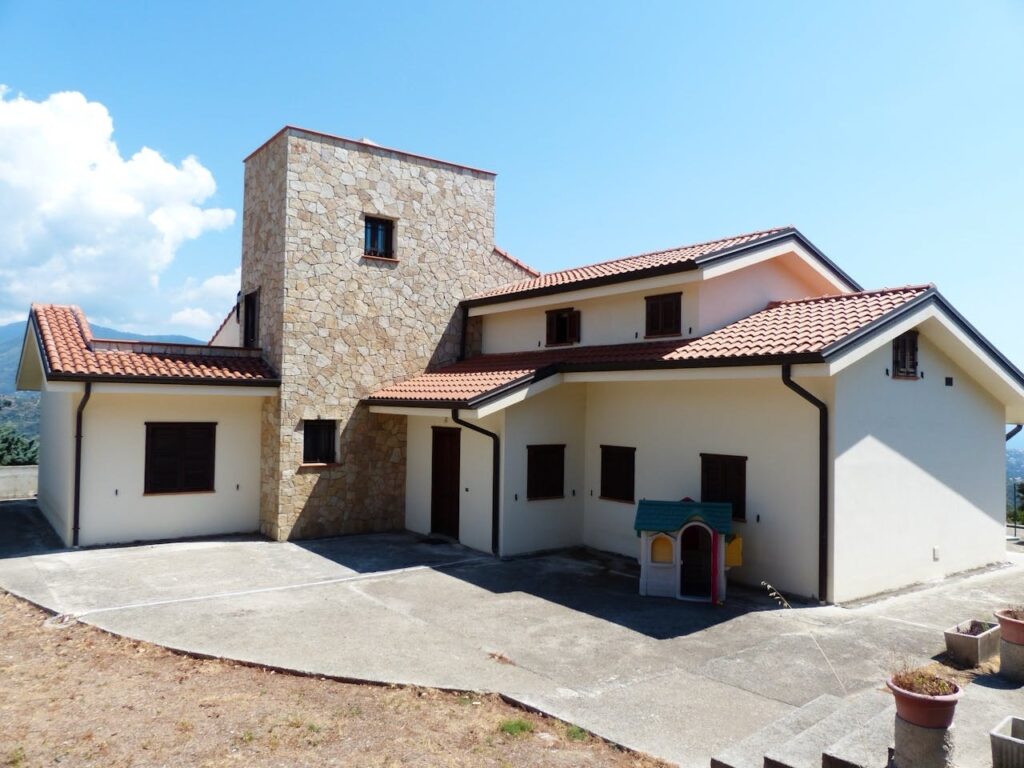
Tile is durable, fireproof, and iconic in Mediterranean, desert, and coastal aesthetics. Concrete tile is generally less expensive than clay and widely available. In hot climates, the air space beneath tiles can improve roof heat performance.
Tiles are heavy. You’ll likely need structural design for dead loads, and underlayment becomes the real waterproofing—tile is a watershed, not a sealed membrane. In wind and seismic zones, anchorage and clip details matter. Budget signal: Medium to high upfront plus potential structural costs; long life with the right underlayment and maintenance.
Slate
Natural slate is gorgeous and can outlast you. It is also heavy, expensive, and installer-dependent. Repairs require access to matching slate and skilled hands. For historic or high-end projects where budget and structure allow, it’s unmatched.
If you want the look on a budget, consider synthetic slate (see below). Budget signal: High upfront, very low TCO when done right; not budget-friendly unless it’s mission-critical to the design.
Wood Shakes/Shingles
Wood offers a warm, textured look and reasonable insulation value. But it is combustible, higher-maintenance, and increasingly restricted in WUI and many municipalities. Pressure-treated, fire-retardant shakes exist, but insurance and availability can be challenging.
In wet or humid climates, expect mold, moss, and shorter lifespans. Budget signal: Medium upfront, higher maintenance and insurance friction; not a budget winner in most modern contexts.
Synthetic/Composite (Slate/Shake Look-Alikes)
Composites mimic slate or shakes using polymers or rubber blends. They’re lighter than the real thing, often Class A fire and Class 4 impact rated, and friendlier to typical framing. Longevity claims vary; pick brands with long field histories and robust warranties.
Cost sits between asphalt and premium metals/tiles. Ensure your installer is manufacturer-approved so warranties hold. Budget signal: Medium to high upfront, reasonable TCO where aesthetics matter but weight/cost of natural materials is impractical.
Low-Slope Membranes (TPO, PVC, EPDM)
For low-slope sections (≤2:12) you need membranes, not shingles. TPO and PVC are heat-welded thermoplastics with reflective surfaces (energy friendly in hot climates). EPDM is a durable rubber membrane, often black (can be ballasted or mechanically fastened).
Details at penetrations, parapets, and edges are everything. These systems can be economical and long-lived when installed by crews who do them daily. Budget signal: Medium upfront, strong value on low-slope if detailing is clean and ponding is eliminated.
Modified Bitumen / SBS / APP
A time-tested low-slope option using ply sheets and asphalt modifiers. Labor can be higher than single-ply membranes, but it’s forgiving and widely understood.
Great for small low-slope tie-ins where a membrane crew might be overkill. Budget signal: Medium upfront, reliable when done right.
Green (Vegetated) Roofs
Green roofs offer stormwater control and thermal buffering, and they look fantastic from upper floors. They also add dead load, require waterproofing excellence, and impose ongoing maintenance.
For most budget-conscious homes, this is a lifestyle or environmental choice rather than a cost reducer. Budget signal: High upfront and maintenance.
Solar Shingles vs. Rack-Mounted Solar
Solar shingles/tiles integrate PV into the roof surface. Sleek, but pricey and less efficient per square foot than conventional panels. Rack-mounted PV over a metal or asphalt roof typically wins on cost per watt and serviceability.
If solar is a priority, choose a roof that plays well with racks (standing seam is excellent because you avoid penetrations). Budget signal: Solar shingles are high cost; rack-mounted PV on a durable roof gives best ROI.
The Unsexy Stuff That Saves Money: Decking, Underlayment, and Details
Roofs don’t fail in the middle of a field of shingles—they fail at edges, valleys, penetrations, and transitions. That’s why spending smart on the “hidden” layers beats overpaying for the visible surface.
Sheathing and deck sealing. Sound, properly fastened OSB/plywood is step one. In wind-driven rain regions, a taped deck seal (peel-and-stick over seams) under shingles or metal keeps water out if the cladding sheds in a storm.
Underlayment. Use synthetic underlayments for stability and walkability. In cold climates or along eaves and valleys, install ice-and-water shield to block ice dam leaks. Under tile, premium underlayments are the true waterproofing—don’t skimp.
Flashing. Kick-out flashing at roof-to-wall intersections, step flashing correctly woven with siding, and open metal valleys (instead of woven shingles) dramatically reduce leak risk. Pre-formed boots for plumbing vents last longer than field mastic.
Edges and intake/exhaust. Drip edge prevents capillary water from curling under shingles. Balanced ventilation (soffit intake + ridge exhaust) reduces heat and moisture, extending shingle and deck life. In hot or very cold zones, consider unvented conditioned attics with spray foam—great when ducts run in the attic and detailing is airtight.
Ratings, Codes, and Programs That Lower Risk and Premiums
Three labels matter more than marketing copy:
Class A fire rating. Indicates strong resistance to flame spread. Essential in wildfire and dense urban areas. Asphalt assemblies can be Class A with the right underlayment; metal, tile, and many composites qualify as well.
Class 4 impact (UL 2218). The hail rating. In hail-prone markets, Class 4 can unlock insurance credits and reduce replacement frequency. Ensure your exact assembly (not just the shingle) qualifies.
Wind uplift ratings and fastening. Shingle standards (e.g., ASTM D7158) and metal system engineering dictate exposure performance. Starter strips, sealed edges, and ring-shank nails on short spacing outperform code minimums in storms.
If you’re in hurricane or severe wind country, consider building to IBHS FORTIFIED Roof standards. Third-party verification often earns premium discounts and provides documentation future buyers and insurers value.
Energy, Comfort, and the Color Question
In hot climates, a cool roof (high solar reflectance) on low-slope sections meaningfully reduces cooling load. On steep-slope visible roofs, color choices are aesthetic, but lighter shades can still help. With metal, high-performance coatings reflect heat while preserving color depth.
Ventilation and attic strategy drive comfort and durability. A vented attic with baffles at eaves and ample ridge exhaust is a classic, low-cost performer. If ducts live in the attic or you want a tight enclosure, an unvented, conditioned attic insulated at the roofline keeps equipment in semi-conditioned space; this can improve comfort and reduce condensation risk when designed correctly.
Budgeting the Roof: Where Dollars Hide (and How to Save Them)
A realistic roof budget includes more than shingles or panels. Expect line items for tear-off (if applicable), deck repair, underlayment, flashings, vents, valley metal, drip edge, ice-and-water, and waste (8–15% depending on complexity). Complex geometry drives up cutting waste and labor hours—a hidden cost that surprises many owners.
Money-saving levers without quality loss:
- Simplify geometry. Trim gratuitous dormers and dead valleys. A clean gable/hip saves thousands in labor and future maintenance.
- Standardize penetrations. Cluster vents and flues where possible to minimize flashing points.
- Choose proven assemblies. A Class 4 architectural shingle over sealed sheathing with ice-and-water at eaves beats a budget metal with poor detailing in many markets.
- Bid apples-to-apples. Provide a spec sheet (underlayment type, ice-and-water coverage, flashing approach, ventilation, starter strips) so bids reflect the same scope.
- Use off-season windows. In shoulder seasons, reputable roofers may sharpen pencils to keep crews busy.
Warranties: Separate manufacturer material warranties from installer workmanship warranties. A long material warranty means little if workmanship is 1–2 years. Favor contractors offering 10+ year workmanship backed by manufacturer credentialing.
Budget-Friendly Roof Paths by Climate
Use these as starting templates; refine with local installers.
Cold & Snowy (ice dam risk):
Best budget value: Architectural asphalt (Class 4 if hail-prone) over deck-seal + synthetic underlayment, with ice-and-water from eaves to at least 24″ inside the warm wall, open metal valleys, and robust ventilation.
Upgrade path: Standing seam metal with snow guards and sealed deck—high upfront, low maintenance, excellent snow-shedding.
Hot & Sunny (high UV):
Best budget value: Architectural asphalt with cool pigments (where available) or light-colored selections; ensure attic ventilation and radiant barriers where applicable.
Upgrade path: Stone-coated steel or standing seam metal with high-reflectance coatings; very durable under UV.
Hail & High Wind (plains, storms):
Best budget value: Class 4 architectural shingles, ring-shank nails on tight schedule, sealed edges, starter strips, and IBHS FORTIFIED Roof detailing if possible.
Upgrade path: Impact-rated metal (thicker gauge) with concealed fasteners; higher upfront, fewer replacements.
Coastal & Hurricane:
Best budget value: Simpler hip roof, architectural shingles rated for high wind with enhanced fastening, robust drip edge/edge metal, and sealed deck.
Upgrade path: Standing seam metal engineered for uplift with continuous clips and coastal-grade coatings.
Mixed/Humid (mold, storms):
Best budget value: Architectural shingles over synthetic underlayment, big focus on ventilation and flashing.
Upgrade path: Metal or composite for longer life and mold resistance.
Step-by-Step Framework to Pick the Right Roof
- Map hazards. Wind exposure, hail history, wildfire/WUI, snow load, flood adjacency. Write them down.
- Confirm slope zones. Identify any low-slope areas early; choose membrane vs. steep-slope cladding accordingly.
- Check structure. Get your engineer/GC to confirm allowable dead loads and preferred fastening substrate.
- Set TCO target. Decide your replacement horizon (20 vs. 50 years) and maintenance appetite.
- Pre-select 2–3 assemblies that fit climate and structure (e.g., Class 4 architectural shingle vs. standing seam metal).
- Detail the hidden layers. Specify underlayment, ice-and-water, deck sealing, flashing, and ventilation before you seek bids.
- Request installer credentials. Shortlist contractors certified by your chosen manufacturer; ask for recent, similar roofs’ addresses.
- Bid apples-to-apples. Use one-page scopes so every bid includes the same details and accessories.
- Probe workmanship warranty. Seek 10+ years and confirm service response times.
- Ask insurance agent about credits. Class 4, FORTIFIED, or metal may yield premium reductions—factor these into TCO.
- Value-engineer geometry. Remove gratuitous dormers/dead valleys before finalizing the roof plan.
- Lock schedule around weather. Avoid starting roofs ahead of long rain or freeze windows; water trapped under new systems is a silent budget killer.
Common Mistakes That Blow Budgets
Choosing a premium material for a low-slope area where a membrane is required anyway; installing shingles below their minimum pitch and relying on caulk to save the day; skipping ice-and-water in cold zones; weaving shingle valleys instead of using open metal in high rain regions; burying ducts in vented attics without air sealing, causing condensation; trusting a material warranty over a flimsy workmanship warranty; under-ventilating hot attics and cooking shingles from below; “value engineering” away drip edge and starter strips; and overcomplicating rooflines for looks that are invisible from the street but expensive forever.
FAQs
Are Class 4 shingles worth it if I don’t get hail every year?
Usually yes in hail-prone regions; you’re buying fewer replacements and often insurance credits. If hail is rare in your area, put the money into underlayment, flashing, and ventilation instead.
Is metal always better than shingles?
Not always. Standing seam metal shines in wind, snow, and wildfire zones with low maintenance—but it’s installer-sensitive and pricier upfront. A well-detailed architectural shingle roof can be the smarter budget play on simple geometries and moderate climates.
Do I need ice-and-water shield everywhere?
No. Use it surgically: eaves (to at least 24″ inside warm wall), valleys, penetrations, and along roof-to-wall intersections in cold climates. Full coverage can trap moisture if a deck gets wet; follow local best practice.
Can I put shingles on a low-slope section?
Below 2:12 pitch, no—you need a membrane. Between 2:12 and 4:12, follow manufacturer special underlayment instructions. When in doubt, membranes are safer.
What color roof is most energy efficient?
On low-slope, cool membranes (white TPO/PVC) win in hot climates. On steep-slope, lighter colors help modestly; real gains come from ventilation and attic strategy. In cold climates, dark roofs can help with snow melt but focus on air sealing and insulation first.
How long should an asphalt roof really last?
In mild climates with great ventilation: 25–30 years. In hot or hail-prone markets: often 18–25 years, even with “30-year” labels, unless you upgrade to Class 4 and nail schedules.
Key Takeaways
Buy an assembly, not a brochure. The underlayment, flashing, ventilation, and fastener schedule decide whether any cladding lives up to its promise.
Match roof to climate and slope. Membranes on low-slope, Class 4 where hail hits, Class A where fire threatens, and engineered uplift details where wind howls.
Simplify to save. Fewer valleys, fewer penetrations, and cleaner edges reduce labor, leaks, and long-term costs—often more than changing materials.
Leverage local expertise. Pick systems your market installs well. A good crew on a mid-tier material beats a mediocre crew on a premium one every time.
Think TCO, not sticker price. Account for lifespan in your climate, maintenance, insurance credits, and energy impacts. The “cheapest” roof on bid day is rarely the cheapest roof over 20 years.
With a clear view of hazards, a disciplined scope for the hidden layers, and bids from installers who live and breathe your chosen system, you’ll land on a roof that protects, looks right, and stays on budget—not just this year, but for the lifespan you actually need.