How to Choose the Right Roofing Style for Your Climate
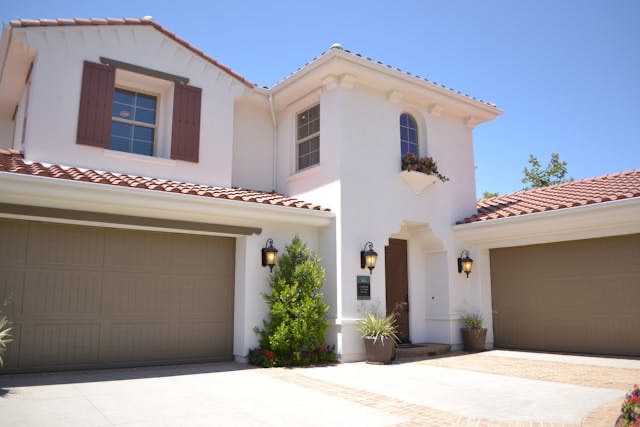
Choosing a roofing style isn’t just about curb appeal; it’s about how your house resists wind, sheds rain and snow, vents moisture, manages heat, and integrates solar without drama. In a hurricane corridor, a compact hip roof with reinforced edges can be a lifesaver. In snow country, a simple steep gable that sheds drifts and thwarts ice dams will outlast a complex collage of valleys. In hot, high-UV regions, reflective cool-roof surfaces paired with the right assembly can knock serious load off your HVAC. The right decision lowers long-term costs, reduces insurance headaches, and keeps the home comfortable year-round. The wrong one invites leaks, premature aging, and expensive maintenance. This guide walks you through a climate-first approach—start with the loads your roof must face, then match geometry, materials, and assembly details engineered to win in those conditions.
Start With Climate Loads (What Your Roof Must Survive)
The fastest way to narrow options is to list the dominant hazards where you live and rank them by severity. A coastal lot lives and dies by hurricane wind and wind-driven rain. A high-elevation site fears snow load, freeze–thaw, and ice dams. A desert plateau roasts under UV and thermal cycling, with monsoon bursts and dust. Every climate also has a vapor story: where moist air wants to go and what happens when it finds a cold surface.
In wind-prone regions—hurricane coasts, thunderstorm plains, ridgelines—uplift forces try to peel your roof from the edges inward. Roofs with fewer edges and fewer gable ends present less “sail” area, and continuous hip geometries typically outperform complicated forms. In cold climates, gravity and water are the villains. Snow adds pounds per square foot to framing, and meltwater that refreezes at eaves creates ice dams that force water under shingles. In hot zones, UV and heat age materials fast; light-colored high-SRI finishes and properly insulated, airtight assemblies matter as much as the outer cladding.
Moisture drives change with the seasons. In cold/dry climates, warm interior air wants to move outward and condense on a cold deck if you don’t control air leakage or add ventilation and vapor control. In hot/humid climates, warm wet outside air wants to move inward toward your cool interiors; unplanned condensation on chilled surfaces can quietly rot assemblies. Whatever style you love must be built as a system for your moisture direction, not just a collage of pretty parts.
Roof Geometry 101: Match Shape to Weather
Geometry is your first and strongest lever. Slope, edges, and complexity determine how wind flows, where water pauses, and how easy it is to flash and drain.
Hip roofs (all sides sloping to the walls) shed wind better than exposed gables because they reduce negative pressure at end walls and keep overhangs more uniform. In high-wind zones, pair a simple hip or pyramid hip with modest overhangs, robust edge metal, and enhanced fastening at perimeters. If you love gables, consider clipped gables (“Dutch gables”) to soften edge exposure and add proper gable bracing.
Steep gables shine in snow country. A 10:12 to 12:12 pitch sheds snow quickly, lowering static loads and limiting the time water lingers. Keep forms simple; every valley concentrates drift and meltwater. Where you must keep valleys, align them to short, straight runs and design snow guards above entries so sliding sheets don’t become hazards.
Low-slope and flat roofs (think membrane systems) can be excellent in dry climates and urban infill where parapets hide the roof for crisp modern lines. They demand positive drainage—“flat roofs that pond become short roofs.” In hot climates, white or high-SRI membranes dramatically drop deck temps. In cold climates, low-slope demands meticulous tapered insulation, oversized drains/scuppers, and generous ice-and-water protection along edges.
Shed roofs (single-plane) are snow-shedding champs and great for solar orientation. They are simple to flash, but the tall windward wall can catch gusts; coordinate structure and connectors accordingly. Butterfly roofs capture rainwater neatly but concentrate risk at internal valleys—best where harvesting is a must and you’re willing to detail drains like a commercial project.
Gambrel and mansard profiles offer volume and style but add edges, transitions, and long flashing runs. They can be durable in mild climates with disciplined detailing, but where wind, snow drifting, or driving rain dominate, the complexity deserves extra engineering and a bigger budget for premium flashing, underlayments, and fastening patterns.
Materials by Climate: Pick What Works, Not Just What Wows
A beautiful silhouette won’t rescue the wrong material from the wrong climate. Each class has strengths and blind spots; the best choice is often the one local pros install every week, in a system rated for your hazards.
Asphalt shingles are budget-friendly and familiar. In wind zones, choose high wind-rated products and follow enhanced nailing patterns and starter-strip specs. In hail country, upgrade to Class 4 impact-rated shingles; many insurers discount premiums. In hot climates, choose cool-color granules to reduce heat gain. Shingles dislike chronic heat and poor ventilation and are not appropriate below 2:12 pitch.
Standing seam metal thrives almost everywhere when correctly specified. It resists uplift with concealed clips, sheds snow, and can be Class A fire-rated for wildfire zones. In coastal areas, choose the right alloy and coating (e.g., aluminum with PVDF near salt spray) and compatible fasteners. In hail belts, thicker gauges dent less. Metal’s smooth surface encourages snow slides—add snow retention above entries and mechanicals—and its seams accept solar clamps without penetrations.
Clay and concrete tile excel in hot, sunny climates and coastal zones; their mass buffers temperature swings. They must be mechanically fastened for wind and designed for their weight. In freeze–thaw regions, pick frost-resistant tiles and honor underlayment and flashing detailing for wind-driven rain. Tile on steep pitches with generous overhangs reads classic in Mediterranean/Southwest contexts but should match local approvals.
Slate is durable, fireproof, and beautiful in wet and cold climates when installed by experienced slaters. The tradeoffs are weight and cost. Framing must be engineered for dead load, and flashing should be copper or stainless. In severe hail regions, consider synthetic slate with impact ratings for a look-alike that survives tempests and satisfies insurance.
Wood shakes/shingles can be regionally appropriate and ventilate naturally, but in most WUI zones they are restricted unless part of a Class A system. They require disciplined maintenance in wet climates. If you love the look, evaluate composites that mimic wood with better fire/UV performance.
Low-slope membranes (TPO, PVC, EPDM, modified bitumen) dominate commercial roofs and modern residences with parapets. In hot climates, white TPO/PVC shine; in chemical/exhaust environments (restaurants), PVC resists grease. In cold climates, EPDM tolerates thermal movement but runs warm; pair with insulation to avoid melt-related ice issues. On any low slope, drainage, seams, flashing, and terminations determine lifespan—hire contractors who do this work daily.
Green roofs and cool roofs are climate tools. In urban heat islands, a vegetated or high-SRI roofing system moderates temps and manages stormwater. They require engineered structure, waterproofing, root barriers, and maintenance. In wildfire zones, vegetated roofs are generally discouraged.
Ventilation, Insulation, and Moisture: Build the Assembly for Your Climate
Style decides how water flows; assembly decides whether the structure stays dry. Poor air sealing, mismatched vapor control, and unbalanced ventilation cause condensation that looks like leaks.
In cold climates, the classic approach is a vented attic: a continuous air barrier at the ceiling plane, insulation on the attic floor, and balanced soffit + ridge ventilation to flush moisture and keep the deck cold (less ice damming). The air barrier must be continuous at top plates, can lights, and hatches; otherwise warm moist air bypasses insulation and condenses on the deck. Use baffles at eaves to keep insulation from choking airflow. On complex roofs with insufficient vent paths—or when you must keep ducts in the roof—move to an unvented conditioned roof with continuous exterior insulation above the deck or closed-cell spray foam below, per code. This warms the deck and prevents condensation.
In hot-humid climates, vented attics still work, but the devil is in airtightness at the ceiling: keep cool, dehumidified interior air from leaking up and condensing on a hot-humid deck. Unvented assemblies with exterior insulation also perform well; just match interior finishes and vapor retarders to expected vapor drive. Above all, keep ductwork and air handlers inside conditioned space—vented attics bake equipment and blow energy.
Every climate benefits from ice-and-water underlayment in leak-prone zones: along eaves (to the interior warm wall line in snow country), in valleys, around penetrations, and at low-slope transitions. Quality flashing—step, counter, head, kickout—stops the majority of “mysterious leaks.” If you change nothing else, upgrade flashing and drip edge metal and ensure laps are shingled to the weather.
Wind, Fire, Hail, and Salt: Ratings and Real-World Choices
You don’t need to memorize standards, but knowing which labels matter lets you spec intelligently. In high-wind regions, prioritize shingles and fasteners with high wind ratings and pair with a roof geometry that reduces edge exposure. For metal systems, specify uplift-rated panels and clip spacing that match your wind zone and use robust edge metal and starter details.
In hail belts, look for impact-rated coverings across shingles, synthetics, and some metal products. These won’t make the roof invincible, but they cut damage and may reduce premiums. In wildfire country, insist on Class A fire-rated assemblies, ember-resistant vent screens, boxed or baffled eaves, and rooflines free of debris-catching pockets. Along coasts, salt attacks cheap coatings and fasteners. Choose stainless or hot-dipped galvanized flashings where appropriate and PVDF finishes over bargain paints for metal. Near breaking surf, aluminum standing seam with compatible fasteners is often the most corrosion-resistant choice.
Energy, Color, and PV: Make the Roof Work for Comfort and Power
A roof is a radiant umbrella. In hot climates, cool-roof colors and high SRI finishes can drop deck temperatures dramatically, reducing attic heat and downsizing HVAC. In cold, sunny climates, dark roofs may harvest slight winter heat, but airtightness and insulation beat color for comfort and cost. If snow shedding matters, smoother surfaces like metal release drifts quickly; rougher granules hold snow longer.
Planning solar? Think geometry and attachment early. Standing seam metal is the friendliest PV surface; clamps grip seams without penetrations, and the roof often outlasts the array. On shingle roofs, use flashed mounts with stainless hardware and align rails to rafters; coordinate conduit paths and penetrations during design. Tile needs specialized hooks and added labor. Pitch and orientation matter too; modern inverters handle variance, but a south/west tilt around 20–40° is broadly efficient. In snow country, leave a clear slide path off the array and protect walkways below.
Detailing That Matters in Any Climate
Most “roof failures” are detail failures. The best material on a fussy, under-flashed roof will underperform a modest material on a clean, well-detailed one. Insist on full starter courses, correct nail patterns, and properly executed valleys (closed-cut, woven, or metal-lined per spec). At walls, use proper step flashing with siding lapped over counter flashing—no caulk-only miracles. At low-slope transitions, widen membranes and use soldered or fully adhered turns where called for. Eaves need drip edge placed under underlayment at eaves and over at rakes to shingle water properly.
Gutters and downspouts are part of the roof system. Size for rainfall intensity and leaf load, pitch properly, and terminate to real drainage away from foundations. In snow regions, use robust hangers and consider guards that don’t create ice dams. Where ice persists, heat cables can be a last resort, but the cure is usually air sealing and insulation, not electricity.
Regional Pairings: What Works Where (and Why)
In the Gulf and Atlantic hurricane corridors, a simple hip roof with modest overhangs, high-wind-rated asphalt or standing seam metal, enhanced perimeter nailing, sealed roof deck underlayments, and robust edge metal is hard to beat. Keep penetrations clustered and leeward where possible, brace gables if present, and tie roof structure to walls with hurricane ties and continuous load paths.
In high-snow mountains and northern plains, choose steep gables or sheds (10:12–12:12 for primary sheds) with minimal valleys and clean eaves. Use ice-and-water to the warm-wall line, specify smooth surfaces (metal) where safe, add snow guards over entries, and keep attic assemblies cold via airtight ceilings and ventilation—or go unvented with continuous exterior insulation to warm the deck and prevent ice dams.
In hot-arid deserts, low-profile tile (clay or concrete) and standing seam metal with PVDF coatings excel. Pair with vented attics that are genuinely sealed at the ceiling plane or unvented roofs with exterior insulation. Opt for cool-roof colors and simple forms that minimize expansion joints and dust traps. Gutters may be limited, but when monsoons hit, oversized scuppers and downspouts prevent overflow.
In hot-humid Gulf/lowland climates, simple hips or low-slope membranes behind parapets perform well—provided air sealing is perfect at the ceiling plane and dehumidification is managed. Choose reflective finishes, corrosion-resistant metals, and membranes detailed for wind-driven rain. Keep mechanicals inside conditioned space and protect all penetrations with redundant flashing.
In marine/coastal zones, salt and storms punish cheap metal and fasteners. Favor aluminum standing seam or high-grade coated steel away from direct spray, and tile in appropriate architecture. Specify stainless or hot-dipped galvanized flashings and fasteners, and plan periodic rinsing. Limit ornate profiles that trap driven rain.
In mixed-humid regions (big seasonal swings), a broad set of options work. The tie-breaker is assembly integrity: airtightness, smart vapor control, and ventilation design trump material fashion. Simple gables or hips with impact-rated shingles (for storm seasons) or metal are solid; get the air barrier and flashing right and the roof will be forgiving.
In wildfire WUI zones, choose Class A assemblies, ember-resistant vents, and simpler rooflines with minimal debris traps. Standing seam metal, concrete/clay tile, and certain Class A shingles can all be part of a robust solution; pair with boxed eaves or noncombustible soffits and keep combustible debris off the roof.
In the hail belt, prioritize impact-rated coverings across shingles, synthetic slates/shakes, and select metal products. Avoid thin, bargain assemblies; they don’t pencil when storms arrive. Simpler planes without vulnerable skylights reduce repair exposure and speed post-storm inspections.
In dense urban infill with modern forms, low-slope membranes behind parapets are common. Performance hinges on drainage, tapered insulation, and professional detailing of penetrations and transitions. If heat island is a concern, specify high-SRI surfaces or consider intensive green roof assemblies if structure allows.
A Practical Selection Framework (Step by Step)
1) Rank climate hazards. List wind, snow, rain intensity, hail, wildfire, salt, and UV. Circle the top two. Your roof must ace those first.
2) Choose geometry for the hazard.
Wind → hip or clipped-gable with modest overhangs.
Snow → steep gable/shed with few valleys and planned snow retention.
Urban modern → low slope with membrane and parapets; commit to drainage.
3) Pick materials that local pros master. Favor the system your best local installer does all the time, rated for your top hazards. Expertise beats exotic.
4) Decide the assembly (vented vs unvented). Match air barrier location, insulation, and vapor control to your climate and geometry. Move ducts inside conditioned space.
5) Lock critical details early. Starter courses, edge metal, valley style, eave protection, and kickout flashing. These determine lifespan more than the brochure photo.
6) If adding solar, layout first. Align rafters, pre-plan conduit paths, choose roof surfaces friendly to clamps/mounts, and keep arrays clear of heavy snow-shed paths.
7) Get bids as systems, not just “square” prices. Require line items for underlayments, ice-and-water, flashings, edge metal, fastener schedules, and ventilation hardware. Apples to apples prevents “cheap” swaps that fail.
Budgeting and Lifecycle (Where the Money Actually Goes)
Initial roofing costs can mislead. A “cheap” covering with weak flashing, thin underlayment, and casual edge metal will cost more in repairs than a moderately priced system detailed well. Consider lifecycle: metal and tile may have higher upfront cost but lower repaint/replace cadence and stronger insurance outcomes in wind/hail regions. Membranes on low slope are cost-effective when drains and seams are premium-grade; penny-pinching on taper and terminations shortens life.
Insist on warranties that match reality: workmanship + manufacturer coverage that names the actual components you’re buying. A roof is a system; five-star shingles over one-star flashing and underlayment aren’t an upgrade—they’re a mismatch.
Common Mistakes (and Easy Fixes)
Too many planes and valleys in tough climates. Complexity is a leak multiplier. Fix: simplify massing; align valleys away from drifting and debris.
Ignoring the attic air barrier. Leaks that “start” at the roof often begin at the ceiling. Fix: continuous air seal at lids, baffles at eaves, correct ventilation—or go unvented with exterior insulation.
Undersized drainage on low-slope roofs. Ponding shortens life. Fix: tapered insulation, oversized scuppers/drains, and secondary overflows.
Cheap edge metal and starter details. Wind wins at the edges. Fix: robust edge metal, correct starter courses, enhanced nailing at perimeters.
Mixing incompatible metals. Galvanic corrosion is real. Fix: match alloys and use isolators where dissimilar metals meet.
Placing PV without roof planning. Random rails = extra penetrations. Fix: coordinate rafter layout, clamp-friendly surfaces, and clear snow/maintenance paths.
FAQs (Quick Answers)
Hip vs gable—what’s stronger in wind?
A hip typically performs better because it reduces end-wall suction and edge exposure. If using gables, brace and clip them; keep overhangs modest.
Are dark roofs bad in hot climates?
They run hotter. If cooling load matters, choose cool-roof colors/finishes and focus on airtightness and insulation. In cold places, color matters less than a tight, well-insulated assembly.
Can I use shingles on a low-slope roof?
Not below 2:12 (and even then, enhanced underlayments are needed). For low slopes, use membranes designed for it and commit to drainage.
Is metal always better?
No material is “always” better. Metal excels in wind, snow, and fire when specified and installed well, but budget, coastal corrosion, hail denting, and aesthetics all factor in. Choose the right system for your hazards and local expertise.
Do I need heat cables for ice dams?
They’re a band-aid. The cure is air sealing, insulation, and proper eave protection. Use cables only where design or retrofits can’t solve the root cause.
The Bottom Line
The “right” roofing style is the one that takes your top two hazards off the table while fitting your architecture, budget, and installer ecosystem. Start with loads—wind, snow, rain, hail, wildfire, salt, UV. Choose geometry that reduces stress and simplifies drainage. Select materials that local pros master and that carry ratings appropriate to your risks. Build the assembly (air barrier, insulation, ventilation/vapor control) for your climate, not a stock detail. Then obsess over details—edge metal, flashing, valleys, and eaves—because roofs fail at transitions, not in the middle of a field of shingles.
Do this, and your roof becomes more than a hat. It becomes a tuned environmental shield: quiet in storms, cool under summer sun, dry through winter thaws, solar-ready if you want it, and uninteresting to insurance adjusters. That’s what a climate-smart roof looks like—beautiful in the elevation drawing and even better, year after year, in real weather.