How to Finance a House Build Without Taking on Massive Debt
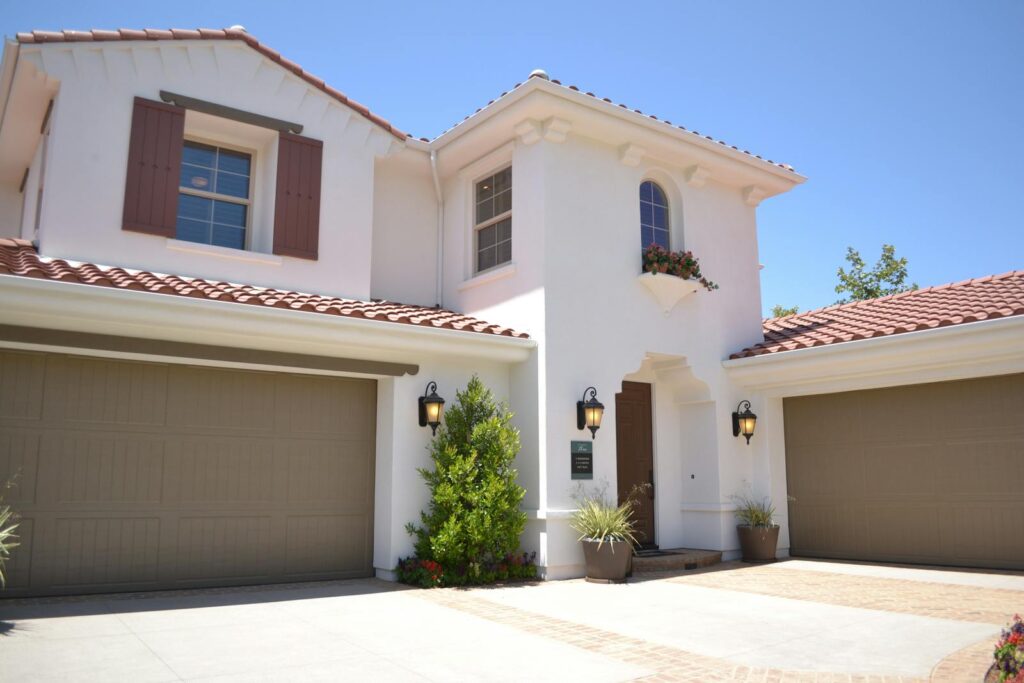
You can build a home without chaining yourself to oversized payments for the next 30 years. The key is to treat financing as part of the design—not something you slap on after the plans are done. If you align your budget, floor plan, capital stack, and loan structure from day one, you can cut your loan size dramatically, keep monthly costs predictable, and still end up with a house you love. This guide shows you how to do exactly that: pick the right loan type, squeeze maximum value out of land equity, phase the project intelligently, and design to a target cost—all while avoiding the sneaky budget killers that push first-time builders into debt they never intended to take.
By the end, you’ll have a practical framework for building with low leverage: what to finance (and what not to), how to capture rebates and credits, when to use interest-only during construction, and how to structure change orders, draws, and allowances so your total borrowing stays lean from groundbreak to move-in.
Define “Massive Debt” for Your Situation (So You Can Aim Smaller)
“Massive” is relative. For financing a build, set clear guardrails you won’t cross. Start by anchoring three ratios to your real life, not the lender’s maximums:
- Loan-to-Value (LTV): Aim for ≤ 75–80% of the lesser of cost or as-completed value. Lower LTV means smaller payments, better pricing, and room to handle surprises without re-underwriting.
- Debt-to-Income (DTI): Lenders may approve you up to the mid-40s, but a target DTI ≤ 36% keeps your budget resilient if rates or taxes rise.
- Payment-to-Income: Keep principal + interest + taxes + insurance (PITI) near 25–28% of gross income for breathing room.
Write those thresholds at the top of your project brief. They’re the lines you refuse to cross—no matter how pretty a finish or floor-to-ceiling window looks on a mood board.
Build a Smarter Capital Stack (Before You Touch Loan Dollars)
The cheapest dollar is the one you never borrow. The second cheapest is the one secured by strong collateral and released in sync with progress. Assemble your funding in layers:
Land equity. If you own a lot, its current market value can count toward your down payment. In many construction-to-permanent (C2P) programs, land equity plus cash equals your total owner equity. Buy land intelligently, and you start the build with real leverage in your favor.
Savings and staged cash. Use cash for soft costs that pop up before the first draw: surveys, engineering, permit fees, and utility taps. Paying these out of pocket avoids high-APR stopgaps and keeps your loan strictly for structure and systems.
Targeted grants, credits, and rebates. Energy efficiency incentives, local infill grants, and utility rebates can reduce net cost without increasing debt. You’ll need to apply early, design to qualification rules, and keep documentation tidy. (Availability varies—check your local programs.)
Vendor terms. Some manufacturers extend staged payments on windows, cabinets, or trusses. If the terms are friendly (and cheaper than borrowing), this can substitute for a slice of short-term debt—just coordinate with your draw schedule so reimbursements flow cleanly.
Only then add the smallest, best-priced loan you can—sized to the project you designed for your budget, not the other way around.
Choose the Right Loan Structure (That Won’t Grow Behind Your Back)
For most first-time builders trying to minimize debt, a construction-to-permanent (C2P) loan is the cleanest tool: one closing, interest-only during construction on drawn funds, then automatic conversion to a fixed mortgage at completion. That structure prevents duplicated fees and reduces “surprise” re-qualification risk at the worst possible time.
A standalone construction loan followed by a later refinance can sometimes shave costs if you’re confident rates or your profile will improve—but recognize the risk: if markets move against you, your permanent payment can jump.
Use HELOCs carefully. A HELOC on another property can be a flexible, low-cost bridge for timing gaps or strategic deposits. Just model the combined DTI so you don’t undercut your main approval.
The priority here is not squeezing the absolute lowest teaser rate. It’s locking a structure that keeps your total borrowing small, your payment predictable, and your timeline on schedule.
Design to a Target Cost (Not to a Wish List)
You don’t need to shrink your dreams—just the expensive complexity that doesn’t add real utility. The fastest path to a smaller loan is a design that’s cheaper to build without feeling cheap to live in.
Simplify geometry. Rectangles beat jigsaws. A compact footprint with stacked floors, simple rooflines, and limited corners reduces labor and waste. Fewer exterior surfaces + fewer roof penetrations = lower cost per square foot.
Stack wet walls. Align kitchens, baths, and laundry vertically and back-to-back. Shorter plumbing runs and simpler HVAC distribution trim thousands with zero lifestyle penalty.
Right-size glazing. Windows are beautiful—and pricey. Use fewer, larger strategic openings for light and views, and standard sizes elsewhere. Put your dollars where you’ll notice them daily.
Finish tiers. Define “tier A” rooms (kitchen, primary bath, main living) for premium finishes and “tier B/C” for durable, cost-smart materials. You get quality where it matters and savings everywhere else.
Systems first. Prioritize envelope, HVAC, and insulation over eye-candy. Comfort and operating costs outrun fashion. A tight envelope and right-sized systems lower monthly bills—permanent savings that compound.
Design choices like these commonly shave 8–15% off build cost without touching square footage. That’s real debt you never take on.
Phase What the Bank Will Let You Phase (And Only That)
Phasing is a powerful lever—if you do it intentionally and within lender rules.
ADU-first strategy. Build a garage apartment or ADU first, get a Certificate Of Occupancy (CO), then live there while you build the main house. Rental income from the ADU later can offset the mortgage. Confirm your lender will finance phased scopes and that your jurisdiction allows a CO per phase.
Shell now, finish later. In some markets, you can dry-in the shell and complete select interiors after move-in. Lenders often require a full CO for conversion, so coordinate scope carefully: life-safety items must be complete.
Modular/prefab hybrids. Combining a modular core with site-built spaces can compress timelines (less interest-only carry) and lower labor risk. Ask your lender about prefab documentation—they’ll vet the manufacturer like a builder.
Phasing only reduces debt if it shortens expensive carry, unlocks income, or defers genuinely nonessential scope until you have cash—not if it delays essential work and multiplies mobilizations.
Pick the Contract That Protects You From Overruns
Fixed-price contracts shift estimating risk to the builder (with sensible exclusions for hidden conditions). They make loan sizing predictable and keep change-order temptations in check. Cost-plus suits complex builds with many unknowns but demands impeccable documentation and owner discipline.
Whichever you pick, lock in three things:
- Schedule of values that maps cleanly to lender draws.
- Allowances that are honest (price what you actually want, not wishful builder-grade placeholders).
- Escalation clause rules (how material surges are handled). If volatility is likely, pre-purchase long-lead items you know you’ll use.
Predictable contracts make for predictable loans.
Budget Like a Builder (So Your Loan Stays Lean)
Your budget isn’t a lump sum; it’s a living map of labor, materials, and milestones. Structure it so surprises don’t grow your loan:
Contingency. Hold 5–10% of hard costs for code-driven or unforeseen conditions (soil, utilities, structural tweaks). Keep it sacred—don’t raid it for prettier tile.
Real allowances. If you want solid wood, budget solid wood. If you want builder-grade and a future upgrade, be explicit. Under-allowancing now forces mid-build cash you didn’t plan to borrow.
Soft costs early. Permits, plan review, utility taps, surveys, temporary power—fund these with cash or your first draw. Planning for them prevents “personal-loan panic” before the lender’s draw rhythm starts.
Value engineering menu. Pre-agree with your builder on substitutions that save money without harming function. The day you need a cut is not the day to start brainstorming.
When your budget is this honest, your maximum loan shrinks—and stays shrunk.
Use Interest-Only During Construction (Cash Flow Is a Debt-Reducer)
During construction you typically pay interest only on the disbursed balance. That’s not “kicking the can.” It’s putting dollars where they keep the schedule tight and the loan smaller.
Imagine an approved $450,000 construction line at 6.75%, with draws that bring the average outstanding balance to $250,000 mid-build. Monthly interest factor = 0.0675 ÷ 12 = 0.005625. Your rough carry = 250,000 × 0.005625 = $1,406.25/month while the shell goes up. Efficient scheduling and clean inspections keep that average balance lower for fewer months. Every idle week adds interest with no progress—real money you never get back. Using interest-only to fund timely deposits, inspections, and mobilizations reduces that waste, which ultimately reduces how much you need to borrow (and for how long).
Monetize the House (Without Compromising Appraisal)
A great way to avoid “massive debt” is to let the house help pay for itself.
House-hacking by design. Add a legal rental (ADU, lock-off suite, or duplex configuration) that appraisers can value and lenders will count—often at 60–75% of market rent in DTI calculations. Keep the unit code-compliant, separately metered if possible, and design privacy from day one.
Multi-generational suites. A junior ADU or in-law suite can be a family solution now and a rental later. Value goes up; loan burden goes down.
Work-from-home spaces. While lenders won’t monetize this, properly designed office space (acoustics, light, separation) preserves your earning power—indirectly supporting a smaller, safer loan.
Income-capable design can shrink the effective weight of your mortgage without increasing the principal.
Capture Incentives and Operate Cheaply (Permanent Savings)
Financing isn’t just the loan—it’s the lifetime cost. Every dollar you don’t spend on utilities is a dollar you don’t need to borrow or earn.
Envelope & HVAC. Invest in airtightness, insulation, high-performance windows, and right-sized HVAC. Lower utility bills every month for decades.
Appliance & lighting efficiency. Induction ranges, heat pump water heaters, and LED lighting cut operating costs—and many areas offer rebates.
Local incentives. City, state, and utility programs may offer cash or Tax Credits for energy upgrades or infill building. Apply early and keep proof—lenders love documented cost offsets.
Build a house that’s cheap to run. Future-you will thank present-you—and your loan will feel smaller every month.
Keep Draws Friction-Free (Time Is Money)
Your draw schedule is the conveyor belt that moves cash as the house rises. Smooth belt = cheaper project.
Know the SLA. If your lender inspects Mondays and funds Wednesdays, plan crews and deliveries Thursday onward. Don’t submit a draw Friday at 4 p.m. and expect money Monday.
Complete packages. Every draw should include: updated schedule of values with percent complete, photos, passed municipal inspection cards, invoices, and Lien Waivers (conditional with the request, unconditional after funding). Clean packets = fast money.
Stored materials. Ask if the lender funds off-site materials with proof of insurance and labeling. If not, plan temporary cash for deposits with reimbursement on delivery.
A week saved here and there isn’t just schedule—it’s interest you never pay and loan you never stretch.
Buy Materials Smart (Without Hurting Appraisal or Insurance)
Reclaimed & “seconds.” Salvaged doors, overstock tile, or scratch-and-dent appliances can be high-value if code-compliant and in great condition. Confirm warranty and appraiser acceptance for big-ticket items.
Standardize. Use common sizes and SKUs to hit volume pricing. Fewer custom orders mean fewer delays and mistakes.
Lock quotes. For volatile items (windows, HVAC), lock prices with deposits—backed by vendor terms or your cash calendar—so you don’t borrow more just to pay for inflation.
Smart procurement beats borrowing every time.
Prevent Scope Creep (Or It Will Eat Your Equity)
Scope creep is how “manageable debt” becomes “massive debt.” Put guardrails in writing:
Must-do vs. nice-to-have. Must-do (code/engineering) can use contingency; nice-to-have (aesthetic upgrades) are cash only unless LTV has room and the lender approves a reallocation.
Change-order protocol. Each change order lists cost, schedule impact, funding source, and who approves it. No ambiguous texts; no verbal “sure, add it.”
Finish matrix. Pre-decide substitution options (and savings) for flooring, cladding, counters. When you need a cut, you already know where the dollars are.
The discipline here is worth tens of thousands you never need to borrow.
Numbers That Make the Case (A Simple Before/After)
Assume: Land worth $100,000 (owned). Build planned at $450,000. Total cost $550,000. As-completed value estimated at $540,000. Lender sizes to the lesser of cost/value = $540,000.
- At 80% LTV, max loan = 0.80 × 540,000 = $432,000.
- Owner equity requirement ≈ $118,000 (land + cash).
Now apply the strategies above:
- Design-to-cost trims 10% from the build (simplified rooflines, stacked wet walls, right-sized glazing). New build = $405,000. New total cost = $505,000.
- Vendor terms let you lock windows without loaned deposits.
- You keep contingency intact and capture modest rebates (net $5,000).
Lesser-of becomes $505,000 (assuming value ≥ cost). If you choose a conservative 70% LTV target:
- Target loan = 0.70 × 505,000 = $353,500.
- Equity = $505,000 − $353,500 = $151,500, of which your $100,000 land covers two-thirds. Cash to close for equity ≈ $51,500 (plus closing costs and prepaids).
Monthly P&I comparison at a 30-year fixed 6.50% (rule-of-thumb factor ≈ $6.32 per $1,000 of principal):
- $432,000 loan → 432 × $6.32 = $2,730.24/mo.
- $353,500 loan → 353.5 × $6.32 = $2,234.12/mo.
That’s a monthly P&I reduction of about $496—every month, for decades—achieved by spending smarter, designing intentionally, and refusing to finance nice-to-haves.
Owner-Builder vs. GC (Pick the Debt-Minimizing Path for You)
Acting as your own GC can save the fee line—but only if you run a professional playbook: bids in writing, scheduled inspections, airtight documentation, and subs who actually show up. For many first-timers, a seasoned licensed GC reduces total cost by avoiding rework, delays, and busted allowances—three things that quietly expand loans.
Middle ground: hire a construction manager (CM) for a flat fee to run scheduling and subs while you procure materials and keep paperwork perfect. The right CM can deliver GC-level control with owner-level savings—without risking your financing.
Timeline, Cash Calendar, and Rate Strategy (Quietly Crucial)
A build that slips three months often costs more interest and lock extensions than any finish upgrade. Put three tools on one page:
Cash calendar. Month-by-month expected draws, interest-only estimates, deposits, permit windows, and tax/insurance prepaids. This keeps you from “accidentally” borrowing because you forgot a fee.
Look-ahead schedule. Two-week rolling plan with inspections and deliveries aligned to the lender’s SLA. Time is money; your calendar is your savings account.
Rate plan. For C2P loans, compare a long lock (with possible float-down) versus a shorter lock timed to a realistic finish. Put extension costs in writing so you’re never surprised.
Good calendars prevent expensive debt.
Quick FAQ (Because These Come Up Every Time)
Can I build debt-light with FHA/VA/USDA?
Potentially. These programs can lower down payment requirements; rules vary by program and lender. Weigh mortgage insurance, property eligibility, and builder requirements against your low-debt goals.
Do reclaimed materials hurt appraisal?
Sometimes—if appraisers can’t value them or warranties are unclear. Use reclaimed selectively and document quality, Code Compliance, and condition.
Is an ARM smarter to minimize debt?
If you’ll sell or refinance within the fixed period and you stress-test the reset, an ARM can lower early payments. If you value long-term certainty, a fixed rate supports disciplined prepayments that reduce principal faster.
Can I finish spaces later to save?
Only if your lender allows it and you can still get a CO for conversion. Coordinate with the builder and inspector so “later” doesn’t become “never.”
Your Debt-Light Build Checklist
- Set guardrails: LTV, DTI, and PITI targets you won’t cross.
- Exploit land equity: Verify how your lender credits current lot value.
- Pick structure: C2P with interest-only draws; rate lock + float-down rules documented.
- Design to cost: Simple geometry, stacked wet walls, right-sized glazing, finish tiers.
- Honest budget: Real allowances, 5–10% contingency, soft costs front-loaded.
- Contract wisely: Fixed-price where appropriate; clear escalation and change-order language.
- Phase with purpose: ADU-first or shell-then-finish only if it shortens carry or adds income.
- Monetize smartly: Legal rental potential the appraiser can count.
- Procure strategically: Lock volatile materials; standardize where possible.
- Smooth draws: Complete packets, timed inspections, stored-materials policy known.
- Capture incentives: Rebates/credits documented early.
- Guard against creep: Must-do vs. nice-to-have rules; cash-only for discretionary upgrades.
- Calendar everything: Cash flow, inspections, lock/extension deadlines.
The Bottom Line
Financing a house build without massive debt isn’t a stunt—it’s a series of sane choices made early and enforced consistently. Design to a target cost, assemble a capital stack that favors equity over leverage, choose a loan structure that won’t swell behind your back, and manage the project with the same discipline a good builder brings to a jobsite. Use interest-only to protect cash flow, but funnel that liquidity into schedule control, not upgrades you can’t afford. Monetize what you build (legally and appraiser-friendly), harvest rebates and efficiency savings, and put ironclad rules around change orders and allowances.
Do those things, and your finished home won’t just look good—it’ll live well inside a payment you’re proud of. The win isn’t a headline rate; it’s a smaller loan supporting a smarter house that costs less to run and leaves room in your life for everything you’re building it for.