How to Get High-Grade Finishes for Your Home Build at a Reasonable Price
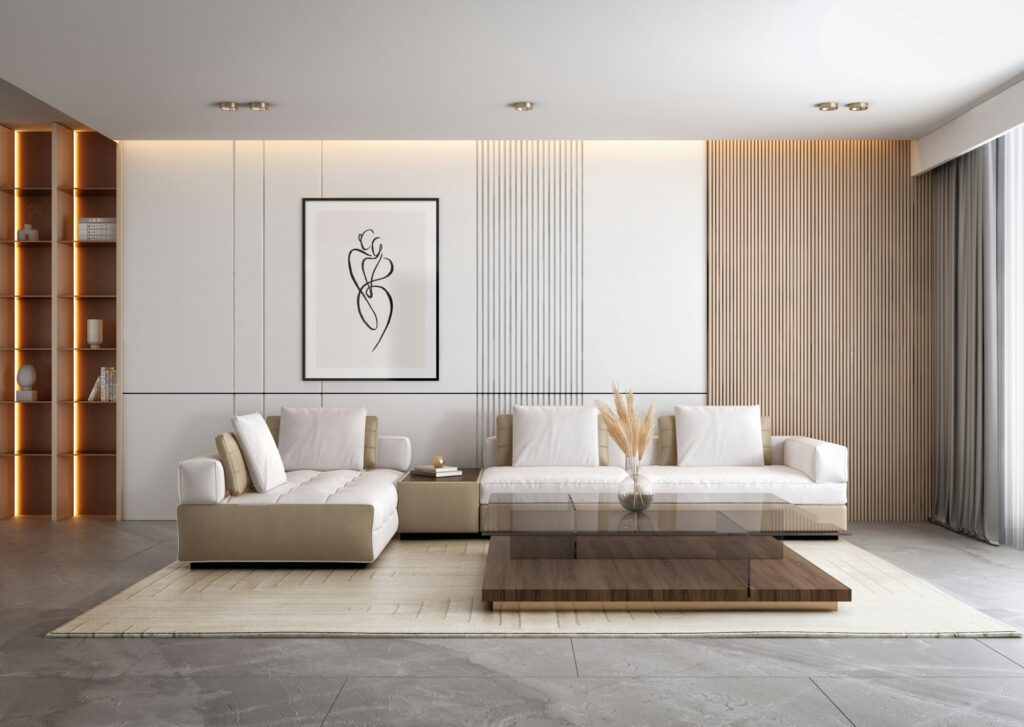
Want that high-end look without torching your budget? You can absolutely get luxury finishes—think stone counters, architectural lighting, solid doors, gallery-smooth walls—at reasonable cost if you design for value from day one. The trick isn’t coupon-hunting; it’s shaping your drawings, specs, and procurement so premium materials do more with less waste, fewer labor hours, and fewer change orders. This guide gives you a practical playbook: which finishes actually signal quality, where builders hide margin, what to standardize and where to customize, how to time orders, and the substitutions that deliver 90–100% of the look for 50–70% of the spend.
You’ll learn how to rank finishes by impact-per-dollar, engineer details so they install faster and cleaner, and work with your GC and subs to protect what you pay for. We’ll cover cabinets, counters, tile, flooring, doors, hardware, lighting, paint, and millwork—with specific specs, sizes, and negotiation angles. Use it to get champagne results on a sparkling-water budget.
Define “High-Grade” Before You Shop
Before you chase brand names, define what “high-grade” means for you—and for your market. At resale and in daily life, quality reads through proportion, material honesty, tactile feel, and craft more than through exotic SKUs. A modest bath can feel five-star with perfect tile layout, solid-core doors, quiet hardware, and crisp paint over flat walls. A kitchen can look custom with aligned reveals, furniture-style toe kicks, and lighting layered to flatter surfaces. Decide where your eyes and hands linger—counters, cabinet edges, door levers, shower glass—and concentrate budget there.
Create an “impact short list” of 6–8 finishes that shape first impressions: counters, backsplash, sink/faucet, cabinet doors and hardware, main flooring, doors/trim, primary bath tile/glass, and lighting. Everything else supports those stars. If you spread money evenly, nothing looks special; if you stack money smartly, the whole house reads high-grade.
Engineer Value on Paper (Design Choices That Spend Once)
The cheapest way to “buy” premium finishes is to draw them for efficiency. High-grade materials balloon in cost when you invent fussy conditions: tiny returns, odd angles, micro-niches, and over-sized spans. Keep modules and repeats tight, and let standard sizes do the heavy lifting.
Design to material dimensions. Make vanities, islands, and showers fit stock widths and full-sheet or full-slab dimensions so you aren’t paying for waste and field seams. If a porcelain slab is 63″ × 126″, aim for counters and shower walls that land inside those rectangles with factory edges visible and cuts tucked. Frame niches to tile module (e.g., 12″ increments) so you avoid slivers. Align cabinet heights with standard panel sizes (e.g., 30/36/42 in. uppers) and ceiling heights with standard crown so trim isn’t a bespoke puzzle.
Simplify profiles. Choose modern square or eased edges on counters, a standard shaker or flat panel door, and clean baseboards (e.g., 1×6 with a minimalist cap). These install faster, reduce mistakes, and feel expensive because they’re calm and intentional. Complex profiles cost more to cut, caulk, and paint—and they magnify defects.
Where to Splurge, Where to Save (A Practical Map)
Splurge: Counters and tops, interior doors (solid-core), door levers, primary bath tile, lighting layers (not necessarily fixtures), and paint quality/level-5 surfaces in key rooms. Hands and eyes live here every day; these choices telegraph quality immediately.
Save (smartly): Cabinet boxes (upgrade faces/hardware instead), secondary bath tile (use porcelain in elevated patterns), closet systems (melamine with nice pulls), powder room faucet (mid-tier with a premium finish), and secondary flooring transitions. Spend where the story is told, economize where it’s utility.
A quick 80/20 rule
If 20% of surfaces drive 80% of perceived quality, spend 20–30% more there, and trim 10–15% everywhere else. Net effect: same budget, higher-end read.
Cabinetry: Custom Look Without Custom Prices
Cabinets gobble budget because you’re buying boxes, doors, hardware, and install time. To get a custom look affordably, separate what must be custom from what can be semi-custom or stock.
Boxes & construction. Plywood boxes are nice, but high-density furniture-grade particleboard or MDF boxes from reputable lines perform great in dry areas when edges are sealed. Save plywood for sink bases and laundry. Invest in soft-close, full-extension slides and 6-way adjustable hinges; they feel expensive every time you touch them.
Doors & faces. Spend on door style and finish—not exotic interiors. A paint-grade shaker in a durable conversion varnish or catalyzed lacquer reads high-end at mid-tier prices. If you want wood, rift-cut white oak veneer on MDF cores gives perfect grain and stability for less than solid wood.
Design tricks. Use integrated toe kicks with flush plinths for a furniture vibe, tall end panels, and appliance panels on dishwashers/fridges where possible. Standardize door widths (e.g., 15/18/24 in.) to keep order complexity—and cost—down. Build a separate walk-in pantry with simple shelving; it’s cheaper than lining a kitchen with extra cabinets.
Sourcing. Look for semi-custom lines that offer paint-to-order colors and a few custom sizes. Price an IKEA/BOXI/Semihandmade hybrid too: robust boxes with custom doors and panels can land a designer look at 60–70% of a bespoke quote.
Countertops: Stone Look, Smart Money
Counters shout “grade.” Fortunately, you can spec for beauty and budget.
Quartz vs. stone. Good quartz offers consistency, stain resistance, and predictable pricing, particularly in larger slabs that minimize seams. When you want natural stone, choose hard, predictable granites or honed mid-priced marbles in low-risk zones (powder room) and protect with penetrative sealers. For a luxe look without the fuss, consider sintered/porcelain slabs with marble veining—heat-loving, durable, and increasingly affordable.
Edges & thickness. Pick a straight or eased edge. A 2 cm slab with a mitered front at the island gives a chunky 4 cm look with less material. Avoid costly ogees and laminations; they date quickly and invite chips.
Yields & seams. Ask your fabricator to nest tops to minimize slab count. Standardize depths (e.g., 25 ½ in. on perimeter, 12 in. for shelves) and keep long runs under a single slab length when possible to avoid seams. Coordinate sink and cooktop positions so cutouts don’t kill yield.
Saving move: Put the premium stone on the island and use a matching or complementary affordable surface (simple quartz) on the perimeter. The eye reads the island as the hero.
Tile: Luxury Patterns with Everyday Materials
Tile projects go over budget on labor, waterproofing, and patterns, not just square footage. Design for fewer cuts and faster layout.
Material choices. Large-format porcelain (24×48, 30×30) produces a slab-like look on floors and shower walls, is low-maintenance, and installs faster per square foot. Use real stone selectively—niches, a vanity backsplash, a feature panel—to deliver “wow” without retiling an entire room in marble.
Grout lines & layout. Keep 1/8 in. joints with rectified porcelain. Center the layout on focal points (niche, valve wall), and design niches to the tile module so borders align cleanly. Use stack bond or third-offset patterns for modern calm and labor speed.
Shower details. A preformed foam shower pan with a bonded membrane installs quickly and reliably. Schluter-style profiles (brushed stainless/black) replace time-consuming mitered outside corners and look sharp. Slope niches and benches properly to avoid callbacks.
Saving move: In secondary baths, run a beautiful porcelain field tile to the ceiling in the wet area and paint the rest. Upgrade the trim kit finish to elevate the whole room.
Flooring: Feel Underfoot, Price Under Control
Flooring dominates impression. Choose materials that look and feel expensive but install predictably.
Engineered hardwood. A 3–4 mm wear layer over a stable core delivers real-wood warmth and refinishing potential for less than thick solids. Rift-sawn white oak hides dents and reads high-end in matte finishes. Size planks where rooms stay proportional (e.g., 7–8 in. in mid-size rooms; very wide planks can expand costs and show subfloor issues).
Luxury vinyl plank (LVP). In high-risk areas (basements, mudrooms), quality LVP with a realistic matte finish and beveled edges is budget-wise and resilient. Pair with better baseboards and transitions so it doesn’t read bargain.
Tile & stone. Use heated floors sparingly (primary bath) where toes notice. In large areas, tile’s substrate prep can eclipse material cost; don’t cheap out on leveling or you’ll “pay” in lippage and rework.
Saving move: Run one continuous material through the main level to increase perceived scale and avoid thresholds. Spend the savings from fewer transitions on better baseboards and doors.
Doors, Trim, and Hardware: Small Parts, Big Impact
Few upgrades pay back like solid-core doors. They feel heavy, seal sound, and take paint beautifully. Pair with architectural levers/knobs in premium finishes (satin brass/black/stainless) and ball-bearing hinges. You’ll touch these thousands of times; they’re worth it.
Trim strategy. Use taller baseboards (5–7 in.) with a simple profile; keep window heads aligned and sills consistent. Paint-grade MDF is fine if edges are sealed and rooms stay dry. The “expensive” look comes from consistency, not fuss.
Saving move: Use glass-lite doors (clear or reeded) for offices and pantries to borrow light without custom glazing budgets. Standard sizes + factory finishes = premium feel without shop-built costs.
Plumbing: Premium Where It Counts, Practical Where It Doesn’t
Plumbing cost lives in the valves behind the wall and the number of penetrations. Put money into reliable pressure-balanced or thermostatic valves, then pick trim that reads luxe.
Mix & match smartly. Keep one finish throughout each bath (e.g., brushed nickel or PVD brass), and upgrade only the trim kit and sink faucet where eyes and hands notice. In the shower, a single rain+handshower combo on one valve can feel indulgent without multiple body jets and supplies that balloon rough-in cost.
Saving move: Buy brand-name roughs and mid-tier trims from the same maker; you can up-trim later without opening walls.
Lighting: Designer Effect, Wholesale Spend
Lighting “grades up” everything else. You don’t need all-designer fixtures; you need layers, good CRI, and thoughtful placement.
Ambient/task/accent. Use can-free low-profile downlights (high CRI, 2700–3000K), under-cabinet strips for task light, and a few statement pendants or sconces to photograph well. Dim in layers; don’t put the whole room on one circuit.
Spec-grade alternatives. Commercial/spec lines sell minimalist fixtures at a fraction of boutique prices. A clean drum pendant, metal dome, or linen shade with good proportions beats a busy chandelier every time.
Saving move: Spend on 3–4 marquee fixtures (island, dining, primary vanity), then keep the rest calm and consistent. Your rooms will feel curated, not catalog-random.
Paint & Walls: Level-Up the Canvas
The most invisible luxury is flat, true walls. If you choose one “invisible splurge,” make it a Level-5 finish (skim coat) in key spaces with raking light (great room, stair). Pair with a durable, washable matte paint in sophisticated, low-chroma tones that let materials shine.
Color discipline. Limit your palette: one main wall color, one trim/ceiling, and one accent group used sparingly. Fewer colors = fewer cut lines = fewer painter hours, which buys better prep and finish where it counts.
Saving move: Level-5 only on feature walls; Level-4 elsewhere with a quality primer and paint. You’ll get 90% of the perfection where eyes care.
Glass, Mirrors, and Metal: Lean, Clean, and Standardized
Shower glass. 3/8 in. clear tempered with minimal clips looks high-end. Skip thick barn tracks unless they serve the design; they add cost and collect water spots. Standardize heights (e.g., 80–84 in.) to avoid custom tempering premiums.
Mirrors. Use site-built, polished-edge mirrors with integrated sconces—a timeless hotel move—for less than framed designer mirrors in big sizes. For powder rooms, one distinctive framed mirror is worth the spotlight.
Metals. Match metal finishes sensibly (don’t chase “perfect” across brands). Choose PVD finishes for durability where hands are frequent.
Sourcing: Where Deals Actually Live
Pro channels. Ask your GC to price finishes through wholesale reps and fabricators; many pass on trade discounts or at least net you pro-only SKUs. Bundle to hit volume tiers (all plumbing from one brand, all door hardware from one supplier).
Factory seconds & remnants. Countertop shops sell remnant slabs perfect for powder/laundry/guest baths. Tile vendors have overage lots—limited quantities of luxury tile at 30–60% off; use them as accents. Lighting outlets carry discontinued finishes at steep discounts.
Lead times as pricing power. Order early. A calm schedule lets you choose from wider, cheaper inventories. Rush shipping and last-minute substitutions silently add 10–20%.
Saving move: Use a single-finish strategy house-wide (e.g., satin black hardware and fixtures). Buying in bulk boosts discounts and avoids nickel-and-diming on oddball SKUs.
Work With Your GC (Not Against Your Budget)
Your contractor controls access to subs, lead times, and change orders. Make them a partner in value engineering without cheapening intent.
Show the hierarchy. Hand over a one-page finish priorities sheet: what can flex (pantry shelving), what cannot (island stone). When surprises hit, they’ll cut in the right places.
Mockups & samples. Require small mockups (tile corners, shower niche, counter edge) before full install. Catching layout or sheen issues early avoids expensive rework.
Protection plan. Budget for surface protection (flooring paper, edge guards, door wraps). Protecting finishes is cheaper than replacing them—this is how high-end homes stay high-end.
Numbers That Help You Choose (Quick, Realistic Math)
Countertop edge: Fancy edge adds ~$15–$35/lf in labor. On a 40 lf kitchen, that’s $600–$1,400 you could reallocate to a better slab or island lighting.
Doors: Upgrading 15 interior doors from hollow to solid-core at +$150 each is $2,250. The sonic and tactile upgrade beats spending the same on one specialty faucet you barely touch.
Tile layout: A rectified porcelain at $6/sf with clean stack bond and good prep can look richer than a $12/sf stone installed poorly. Labor artistry > SKU price.
Lighting CRI: A $60 high-CRI downlight can make a $30/sf paint job look like $50/sf; bad light makes good finishes look cheap.
Common Mistakes (Easy to Avoid)
Spec creep. Mixing finishes and brands room by room kills volume pricing and visual calm. Standardize.
Exotic everywhere. Marble in every wet area is maintenance, not luxury. Place it where you can love it.
Tiny tile cuts and slivers. They scream amateur. Redraw the layout; resize the niche.
Too many focal points. One hero per room. A loud backsplash + busy counters + heavy fixtures equals visual noise.
Skipping surface prep. Flat subfloors and smooth walls are the difference between “high-grade” and “expensive materials installed cheaply.”
Room-by-Room Cheat Sheet
Kitchen
Go semi-custom boxes with upgraded doors/hardware, premium island stone, simple perimeter quartz, under-cabinet lighting, and a single statement pendant trio. Keep appliances panel-ready where budget allows; hide the microwave in a pantry or cabinet.
Primary Bath
Spend on the vanity top, shower glass, and a porcelain “stone” wall. Use a premium trim kit finish; keep roughs standard. Heated floor in a limited zone (dry area) adds daily delight.
Secondary Baths
Porcelain tile to the ceiling in the wet wall, simple vanity with great hardware, one upgraded light, and a mid-tier faucet in the same finish as the primary. Durable, handsome, not precious.
Living Areas
Engineered wood with calm matte finish, solid-core doors, taller base, and layered lighting. Consider one feature wall (paneling or built-ins) instead of multiple decor splurges.
Entry & Mudroom
Durable flooring (LVP or porcelain), closed storage, and a real bench. Spend on hooks/handles for a tactile upgrade; skip designer wallpaper unless it’s a small accent.
Procurement Timeline (So You Don’t Pay Rush Prices)
- Design freeze (T-16 weeks): Lock elevations, cabinet plan, tile module, lighting locations.
- Long-lead release (T-14 to T-12): Cabinets, windows/doors, major lighting, shower systems.
- Medium-lead (T-10 to T-8): Counters (slab hold), flooring, plumbing trims, hardware.
- Short-lead (T-6 to T-4): Mirrors, accessories, paint, small lights.
- Protection & punch (T-2 to T-0): Order protection materials; schedule final clean, caulk, and paint touch.
Ordering early unlocks selection and pricing. Late orders compress your options and blow budget quietly.
Negotiation Angles That Work
- Bundle by brand. “If we award all plumbing to you, can you sharpen the trim kit pricing and include free freight?”
- Flexible delivery. “We can accept a mixed partial shipment; does that unlock a better price?”
- Pay terms. Offer quicker payment for small extra discount (only if you trust the vendor).
- Remnant & overstock. Ask every stone shop and tile house: “What do you have overstocked that fits this palette?”
Vendors deal on volume, timing, and ease. Make their life simple; they’ll make your price better.
Quality Control: Finish Strong
Create a finish schedule with brand, SKU, color, sheen, locations, and install notes. Post it on site. Require installers to sign off that they read it. Do a pre-cover walk to photograph substrate flatness, waterproofing, and blocking—your future self will avoid “mystery” repairs. At trim-out, walk with blue tape and a room-by-room punch list; capture touch-ups while trades are still mobilized.
Protect what you bought: ram board on floors, neoprene on railings, corner guards on island panels, and “no tools on counters” signs. It’s not fussy—it’s how high-grade finishes stay high-grade through chaos.
FAQs (Fast Answers)
Is quartz still “in,” or should I do real stone?
Both are timeless if the pattern is restrained. Choose quartz for uniformity and toughness; pick real stone where you can maintain it and love the variation.
Do I need custom cabinets to look custom?
No. Semi-custom with upgraded doors, end panels, and hardware—plus a great layout—reads custom to most eyes.
Where is the single best place to spend?
Solid-core doors and lighting layers. You feel and see the upgrade every day.
Matte black hardware—will it last?
Quality PVD coatings hold up; bargain black chips. Buy fewer, better pieces and keep the finish consistent.
What paint level do I really need?
Level-5 in high-light areas (stair, great room feature walls); Level-4 elsewhere with quality paint. It’s a prime place to pay for prep.
The Bottom Line
High-grade finishes on a sane budget aren’t a myth; they’re a product of design discipline, material savvy, and procurement timing. Draw to standard modules so premium materials aren’t wasted in cuts and slivers. Put your money where hands and eyes live—doors, hardware, counters, lighting, and primary bath—and let everything else play quiet, competent support. Order early, bundle purchases, protect surfaces, and insist on mockups and clean installs. Do that, and your home will look and feel expensive not because you overspent, but because every dollar went where it matters—and stayed there for the long run.