How to Handle Permit Revisions After Construction Has Started
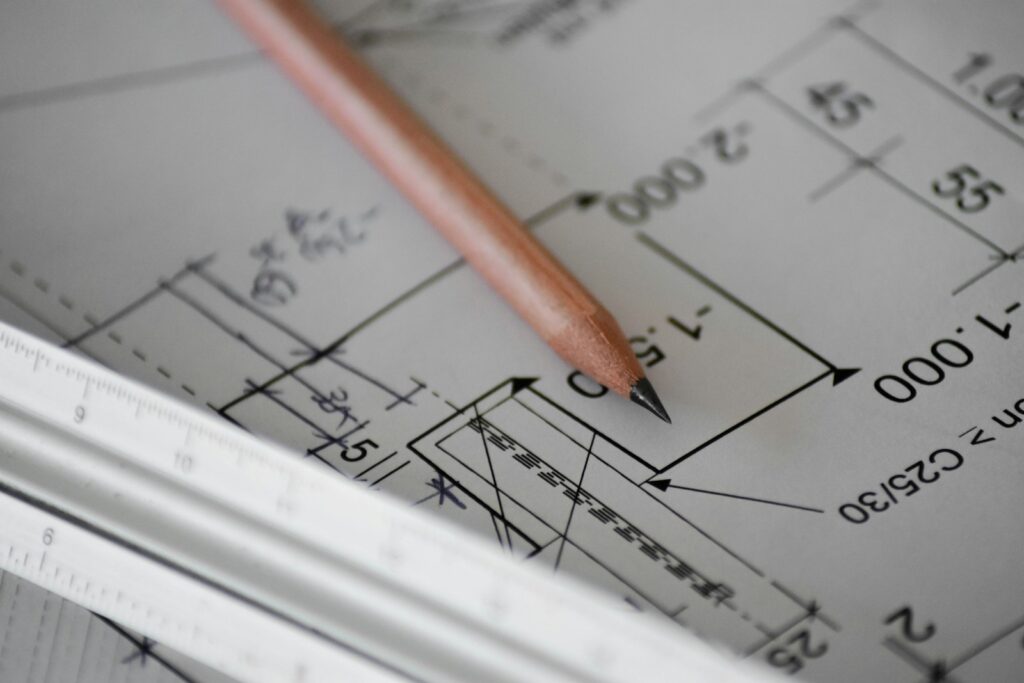
Launching into a construction project is much like embarking on an adventurous voyage. You have your blueprints, a reliable crew, and the necessary permits—all seemingly in perfect alignment. Yet, construction is as much about adaptability as it is about planning. What do you do when you encounter an unexpected hiccup, like needing to revise your permits partway through? It might seem daunting, but with the right strategies, you can handle these revisions with finesse, keeping your project on course. Let’s delve deeper into the essentials of managing permit revisions, ensuring minimal disruption and sustained progress.
Understanding Permit Revisions
Permit revisions are adjustments made to the initially approved construction plans and permits. These changes can arise due to various factors such as design modifications, unforeseen site conditions, or regulatory updates. Addressing these revisions promptly and correctly is crucial to avoid fines, project delays, or legal complications.
Why Permit Revisions Occur
- Design Changes: As construction progresses, new design opportunities or requirements may emerge. For instance, the homeowners might opt for larger windows to enhance natural lighting, or an architect might propose a more efficient layout after reevaluating the space.
- Site Conditions: Unforeseen circumstances like discovering unsuitable soil quality or unexpected underground utilities can necessitate structural changes.
- Regulatory Changes: Occasionally, updates in building codes or zoning regulations may require permit adjustments to ensure compliance.
- Errors in Original Plans: Mistakes can happen. Identifying an error in the original plans may necessitate a revision to meet code or design specifications.
Additional Triggers for Revisions
- Technological Advancements: Incorporating new technologies, such as smart home systems or energy-efficient solutions, might require permit updates.
- Environmental Factors: Changes in environmental conditions, like rising flood zones, might demand adjustments in the building design for compliance and safety.
Navigating the Revision Process
Step 1: Identify the Need for Revision
Recognizing the need for a change is the first step. This could stem from the construction team, the architect, or even the project owner. Open communication is key. Regular site meetings and updates can help identify revisions early, minimizing disruption.
Step 2: Consult With Your Team
Once a potential revision is identified, gather your team to discuss it. This includes architects, engineers, contractors, and, if applicable, the project owner. Understanding the scope and implications of the change is crucial. Consider questions like:
- How will this change impact the timeline?
- What are the cost implications?
- Are there alternative solutions?
Step 3: Contact the Local Building Department
Before implementing any changes, reach out to your local building department. They can guide you on the documentation needed for the revision and any associated fees. Building departments are invaluable allies in navigating the regulatory landscape, so don’t hesitate to ask for their input.
Step 4: Prepare the Necessary Documentation
Prepare revised plans and any additional documentation that may be required. This might include updated drawings, calculations, or reports. It’s essential to be thorough and precise. Incomplete or inaccurate submissions can lead to further delays.
Step 5: Submit for Approval
Submit the revised plans to the building department for approval. Be prepared for a review period, which can vary depending on the complexity of the revision and the department’s workload. Having a good relationship with building officials can help expedite the process.
Step 6: Implement Changes
Once approved, communicate the changes to your construction team and update the schedule accordingly. Make sure everyone involved understands the modifications and their roles in implementing them.
New Steps for Effective Revision Handling
Step 7: Monitor and Adjust
After implementing changes, closely monitor the construction to ensure the revisions are being executed properly. If any issues arise, be ready to adjust the approach as needed.
Step 8: Conduct Post-Implementation Review
Once the revision has been implemented, conduct a review to evaluate its impact on the project. Gather feedback from the team to identify any lessons learned that could streamline future revisions.
Practical Tips for Managing Revisions
- Stay Organized: Keep meticulous records of all communications, submissions, and approvals. This documentation can be invaluable if disputes or questions arise later.
- Communicate Clearly and Often: Regular updates with your team and stakeholders can prevent misunderstandings and ensure everyone is on the same page.
- Budget for Flexibility: Anticipate potential changes by including a contingency in your budget. This financial cushion can ease the stress of unexpected expenses.
- Time Management: Understand that revisions may affect your timeline. Work with your team to adjust schedules and mitigate delays.
- Engage a Professional: Consider hiring a project manager or consultant with revision experience to oversee the process, ensuring it’s handled efficiently and effectively.
Additional Practical Tips
- Use Technology: Utilize project management software to track revisions, deadlines, and responsibilities. This can enhance transparency and accountability.
- Leverage Relationships: Build strong relationships with local officials. A positive rapport can sometimes lead to faster approvals and more flexible solutions.
- Educate Your Team: Conduct training sessions to ensure your team understands the importance of permit compliance and the impact of revisions on the project.
Real-World Scenarios
Let’s explore some scenarios that highlight how permit revisions might unfold in real life:
Example 1: The Case of the Relocated Kitchen
Imagine a homeowner decides mid-project to relocate the kitchen to improve the house’s flow. This change impacts plumbing, electrical, and structural plans. The architect revises the drawings, and the contractor adjusts the schedule. The project team submits the new plans to the building department for approval, factoring in the additional costs and time required for these changes. Through proactive communication and collaboration, they manage to integrate the revisions smoothly.
Example 2: Unforeseen Utility Lines
During excavation, a construction crew discovers an unmarked utility line. This unexpected find requires a redesign of the foundation layout. Quick thinking and rapid consultation with engineers and the building department allow the team to propose an alternate design. The revised plans are submitted and approved without major delays, thanks to the team’s preparedness and swift action.
Example 3: Embracing Green Technology
A developer decides to incorporate solar panels and a rainwater harvesting system midway through construction. This requires a permit revision to address structural support for the panels and plumbing changes for water storage. By engaging with a sustainable building consultant and working closely with the local building department, the team navigates the permit revision process smoothly, ultimately enhancing the project’s environmental credentials.
Avoiding Common Pitfalls
- Underestimating Time for Approvals: Building departments can be busy. Plan for potential delays in the approval process and keep lines of communication open to stay informed of your submission’s status.
- Ignoring Expert Advice: Always consult with professionals when making changes. An engineer or architect can provide insights that prevent costly mistakes or compliance issues.
- Inadequate Documentation: Ensure that all changes are well-documented and communicated to all parties involved. This can prevent costly misunderstandings and keep the project on track.
Additional Pitfalls to Watch For
- Overlooking Stakeholder Impact: Failing to inform or involve key stakeholders can lead to resistance or dissatisfaction. Make sure everyone affected by the revision is in the loop.
- Neglecting to Update Contracts: Any change that affects costs, timelines, or scope should be reflected in updated contracts to protect all parties involved.
- Skipping Quality Checks: Ensure that revised plans undergo the same quality assurance checks as the original plans to maintain standards.
Costs, Timeframes, and Requirements
Understanding the potential costs and timeframes associated with permit revisions can help you plan more effectively. Here are some considerations:
- Costs: Fees for permit revisions can vary widely, depending on the scope of the changes and local regulations. Budget for these costs to avoid surprises.
- Timeframes: Approval times can range from a few days to several weeks. Stay in touch with your building department to get an accurate estimate for your specific revision.
- Requirements: Each jurisdiction has its own requirements for permit revisions. Familiarize yourself with these to ensure your submission is complete and accurate.
Additional Considerations
- Impact on Resources: Assess how revisions will affect resource allocation, including labor, materials, and equipment. Plan to mitigate any potential strain on resources.
- Risk Management: Identify risks associated with the revision, such as potential non-compliance or safety issues, and develop strategies to manage these risks proactively.
- Feedback Loops: Establish mechanisms for ongoing feedback during the revision process to catch and address issues early.
Final Thoughts
Handling permit revisions doesn’t have to be a nightmare. With proactive planning, clear communication, and a dash of flexibility, you can navigate these changes successfully. Embrace the process as an opportunity to refine your project, ensuring it meets all design, safety, and regulatory requirements. After all, a well-managed revision can lead to a better end product, making the journey just as rewarding as the destination. By viewing revisions as an integral part of the construction process, you empower your project to evolve and improve, ultimately delivering a result that meets or exceeds expectations.