How to Use Prefabricated Panels Without Sacrificing Customization
Building a home can be one of the most rewarding yet challenging experiences. If you’re looking to speed up the construction process without giving up on your dream of a personalized space, prefabricated panels might just be the solution you’ve been searching for. These panels, often referred to as “prefabs,” offer the benefit of reduced construction time and cost but are sometimes perceived as limiting in terms of customization. However, with a bit of creativity and planning, you can blend the efficiency of prefabrication with the uniqueness of a custom-built home. Let’s dive into how you can achieve this balance effectively.
Understanding Prefabricated Panels
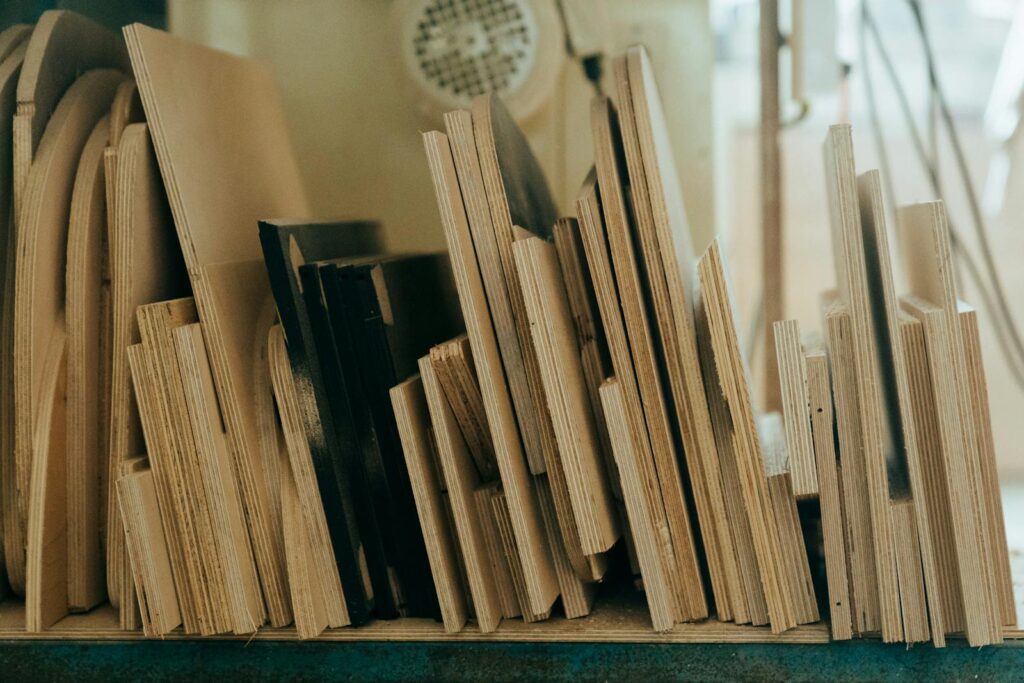
Prefabricated panels are sections of a building that are manufactured in a factory and transported to the construction site for assembly. They can be used for walls, floors, and even roofs, and come in various materials such as concrete, steel, and timber. Prefabs are known for their precision and speed, often reducing on-site construction time by up to 50%.
Types of Prefabricated Panels
- Structural Insulated Panels (SIPs): These are high-performance building panels used in floors, walls, and roofs. They are known for their energy efficiency and strength. SIPs consist of an insulating foam core sandwiched between two structural facings, typically oriented strand board (OSB).
- Concrete Panels: These offer excellent durability and fire resistance, often used in commercial buildings but increasingly popular in residential construction. They are particularly valued for their sound insulation properties and can be pre-finished to mimic various textures and colors.
- Timber Panels: Known for their aesthetic appeal and sustainability, these are often used in eco-friendly projects. Timber panels can be engineered into cross-laminated timber (CLT) which provides structural integrity and a natural look.
- Steel Panels: These are less common in residential projects but offer great strength and are particularly useful in areas prone to extreme weather. Steel panels are lightweight, reducing the load on foundations, and can be finished with various coatings to prevent rust and corrosion.
Benefits of Using Prefabricated Panels
- Time Efficiency: Panels are manufactured in controlled environments, reducing delays due to weather conditions and other on-site issues. This predictability helps in planning and executing construction phases with greater accuracy.
- Cost-Effective: Reduced labor costs and waste make prefabrication more economical. Factories can buy materials in bulk, further reducing costs and enabling savings to be passed on to the consumer.
- Sustainability: Factories often optimize material usage, leading to less waste. Many manufacturers also use recycled materials, contributing to a lower environmental footprint.
- Quality Control: The factory setting allows for stringent quality checks at every stage of production, ensuring high standards and uniformity in the panels.
Customization: Not Just a Pipe Dream
Collaborating with Manufacturers
One of the first steps to ensuring you don’t sacrifice customization is to work closely with your prefab panel manufacturer. Many manufacturers offer custom options, allowing you to tweak designs to suit your specific tastes and needs. Don’t hesitate to communicate your vision—whether it’s adding extra windows for natural light or adjusting the dimensions of certain rooms. The key is to find a manufacturer willing to accommodate bespoke requests.
Pro Tip: When selecting a manufacturer, inquire about their past projects to see examples of customizations they’ve successfully implemented. This will give you a clearer idea of what’s possible.
Modular Designs
Think of modular designs like building blocks. By using a series of standardized modules, you can create a wide variety of layouts. This approach allows for significant customization while still leveraging the efficiency of prefabricated construction. For example, you might start with a basic two-bedroom layout and add modules for a home office, gym, or expanded kitchen.
Example Scenario: Imagine a family of four that needs both private and communal spaces. They could start with a central living area module and add separate bedroom modules for parents and children, each tailored with specific features like study nooks or play areas.
Integrating Unique Features
Adding unique features to your prefab panels can significantly personalize your home. Consider the following:
- Exterior Finishes: Customize exterior finishes to fit your style, from brick veneers to wooden cladding. This can dramatically change the aesthetic appeal of your home.
- Interior Features: Think about non-standard ceiling heights, custom cabinetry, or unique flooring materials. These custom touches can make a significant difference in the feel of the space.
- Architectural Details: Incorporate distinctive elements like arches, bay windows, or custom moldings. These elements can transform a standard design into something truly unique and reflective of your personal style.
Enhancing Functionality with Smart Home Technology
One of the most exciting aspects of modern homebuilding is the integration of smart technology. Prefabricated panels can be pre-wired for smart home systems, allowing for seamless integration of technology that enhances daily living.
Ideas for Integration:
- Lighting: Install smart lighting systems that can be controlled remotely and programmed for energy efficiency.
- Climate Control: Use smart thermostats to maintain optimal temperatures with minimal energy use.
- Security Systems: Prefabs can be equipped with pre-installed security systems, including cameras and alarm systems, for peace of mind.
Practical Tips for Customizing Prefab Panels
1. Start with a Clear Vision
Before you even approach a manufacturer, have a clear vision of what you want. Create a mood board with preferred styles, colors, and features. This will serve as a visual guide for discussions with your architect and manufacturer.
Pro Tip: Use online design tools or apps that allow you to experiment with different layouts and styles. This can help you visualize the potential of your space and refine your preferences.
2. Choose the Right Architect
An architect experienced with prefabricated panels can be invaluable. They understand the limitations and possibilities of prefab construction and can help you navigate the customization process efficiently.
- Experience Matters: Look for architects who have a portfolio of prefab projects, as they will be more familiar with the nuances of working with panels.
- Collaboration is Key: Your architect should work closely with the manufacturer to ensure that the design intentions are feasible and align with production capabilities.
3. Prioritize Your Customization Features
Customization can increase costs, so it’s crucial to prioritize. Decide which features are essential and which are nice-to-haves. For instance, you might focus on a high-end kitchen and forego a luxurious master bath.
Budgeting Tip: Allocate a specific portion of your budget to customization features and stick to it. This helps prevent overspending and keeps the project on track financially.
4. Stay Involved in the Process
Regularly check in with your builder and manufacturer throughout the construction process. This ensures your custom features are being implemented as planned and allows for adjustments if necessary.
Communication Tip: Establish a communication schedule with your project team. Weekly updates can help catch potential issues early and keep everyone aligned with the project goals.
5. Use Virtual Reality for Better Visualization
Many architects and manufacturers now offer virtual reality (VR) tours of your planned space. This technology allows you to walk through your home before it’s built, providing a more immersive understanding of how the space will look and feel.
- Advantages of VR: Spot design issues early, test different layouts, and ensure that your customization choices will work as expected.
Real-World Examples & Scenarios
Case Study: The Johnson Family Home
The Johnson family wanted a modern, eco-friendly home that reflected their love for open spaces and natural light. They opted for timber prefabricated panels and worked with a manufacturer to include solar panel installations and large glass doors. By using a modular design, they created a unique L-shaped layout that maximized their garden space.
Lessons Learned:
- Integration: The family successfully integrated their love for sustainability with aesthetic appeal by choosing materials and features that aligned with their values.
- Flexibility: The use of modular design allowed for future expansions, accommodating their growing family needs over time.
Scenario: Budget Constraints
Consider a young couple with a tight budget but a desire for a unique home. By opting for standard panel sizes and focusing customization on key areas like the kitchen and living room, they could maintain individuality without breaking the bank. Using cost-effective materials like polished concrete floors and recycled timber for accents helped keep costs down while adding character.
Key Takeaways:
- Smart Spend: Focusing funds on high-impact areas can create a sense of luxury and personalization without extensive costs.
- Material Choice: Choosing durable, low-maintenance materials can save money in the long run, reducing repair and replacement expenses.
Costs, Timeframes, and Other Considerations
Cost Implications
While prefabricated panels can be cost-effective, customization can add to the budget. It’s essential to get a detailed quote from your manufacturer and consider any additional costs for non-standard features.
Budget Management: Request a detailed breakdown of costs for both standard and custom features. This transparency helps in making informed decisions and planning finances effectively.
Timeframes
Prefabricated panels generally speed up the construction process, but extensive customization can add time. Ensure your builder provides a realistic timeline that accounts for these adjustments.
Project Planning: Use project management tools to track timelines and milestones. This helps keep the project on schedule and provides visibility into potential delays.
Regulatory Requirements
Check local building codes and regulations. Some areas may have restrictions on prefab homes, or specific requirements for customized features, particularly if they affect the structural integrity of the building.
Compliance Tip: Work with a local contractor familiar with municipal regulations to ensure that all aspects of the build meet legal standards and obtain necessary permits.
Common Mistakes to Avoid
Over-Customization
Getting carried away with customization can lead to spiraling costs and delays. Stick to your prioritized list and be prepared to compromise where necessary.
- Focus on Function: Ensure that your customizations serve a functional purpose and enhance the livability of your home.
- Avoid Trends: While trendy features might be tempting, they can quickly become outdated. Focus on timeless designs that will age well.
Choosing the Wrong Manufacturer
Not all manufacturers offer the same level of customization. Research and choose a supplier known for flexibility and quality.
- Due Diligence: Visit manufacturer facilities if possible, review customer testimonials, and consult with other homeowners who have used their services.
Lack of Planning
Without a clear plan, customization efforts can become disjointed and inefficient. Invest time in thorough planning and design upfront to avoid costly changes later.
Planning Tools: Utilize project management software or apps to keep track of timelines, budgets, and communication with stakeholders.
Neglecting the Environmental Impact
In the excitement of designing a custom home, it’s easy to overlook the environmental impact. Consider sustainable practices and materials to minimize your ecological footprint.
- Eco-Friendly Options: Opt for energy-efficient appliances, sustainable materials, and design elements that reduce energy consumption.
Final Reflections
Using prefabricated panels doesn’t mean you have to settle for a cookie-cutter home. With the right approach, you can enjoy a unique, personalized space that reflects your lifestyle and tastes. Remember, the key to achieving the perfect balance between prefab efficiency and custom aesthetics lies in careful planning, collaboration, and prioritization. Embrace the possibilities, and you might just find that your dream home is more attainable than you ever imagined.
As you embark on this journey, keep in mind that creativity, flexibility, and a clear vision are your best allies. By leveraging the benefits of modern technology and innovative design, you can create a space that is not only efficient and cost-effective but also a true reflection of who you are.