How Weather Can Affect Your Construction Timeline
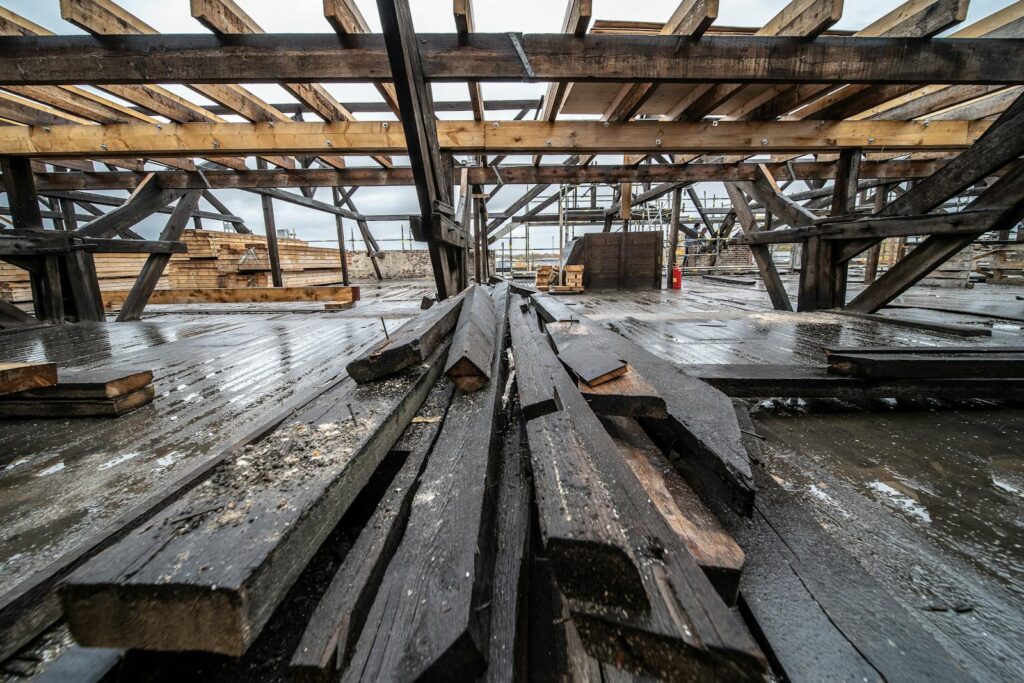
Weather isn’t just background noise on a job site—it’s an active force that shapes schedule, quality, budget, and even safety every single day. A house is built out in the open long before it becomes a climate-controlled interior, which means rain, wind, temperature, humidity, and daylight all influence how fast crews can work, how well materials perform, and when inspectors and utilities can show up. If you’re planning a build, understanding how weather affects each phase lets you choose smarter start dates, lock decisions earlier, and avoid the classic end-of-project scramble caused by “just a few rain days” that multiplied into weeks.
The goal isn’t to fear the forecast; it’s to plan for it. The most reliable schedules include buffers for seasonal risks, strategies that get the building dried-in quickly, and practical tools—temporary heat, dehumidification, weather-resistant barriers—that keep progress steady without sacrificing quality. When you can see how weather pressure moves through the timeline, you can protect the critical path (foundation → windows → rough-ins → insulation/drywall → cabinets → countertops → trim-out → finals) and keep your move-in date from sliding with every storm front.
Weather 101 for Builders: The Physics That Drive Your Schedule
Temperature, Humidity, Wind, and Precipitation
Construction lives at the intersection of physics and logistics. Temperature affects curing and drying; humidity slows evaporation and invites condensation; wind shuts down cranes and makes roofing unsafe; and precipitation saturates soil, swells wood products, and halts exterior finishes. Materials and adhesives are engineered to be installed within specific ranges; when conditions move outside those ranges, work either slows or quality drops—sometimes both. Smart builders choose the former, because rework is slower and costlier than waiting a day.
Dew point matters as much as the thermometer. When surface temperatures sit at or below dew point, moisture condenses on substrates, undermining paint adhesion, sealants, roofing membranes, and air/water barriers. That’s why early mornings in humid seasons are poor times to paint or tape WRBs: the surface is wet even when it “looks” dry. Planning crews to start detail-sensitive tasks later in the day can save rework and schedule slips.
Material Behavior You Can’t Ignore
Wood gains and loses moisture with the air. Framing that gets soaked and then bakes in the sun will twist or crown; OSB edges can swell if repeatedly wet before the roof goes on. Concrete hydrates (chemically cures) best within moderate temperatures and retained moisture; too hot and it can crack from rapid evaporation, too cold and it loses strength as hydration slows or stops. Asphalt shingles want temperate installs so seal strips activate and the surface doesn’t scuff; PVC and vinyl expand and contract, so fasteners and gaps must respect seasonal temps to avoid buckling later. All of that translates to time: the wrong day for the task is a longer day—or a redo.
Weather Impacts by Construction Phase
Phase 1: Site Prep and Foundation
Weather kicks hardest before the house has a roof. Rain turns excavations into ponds, destabilizes trench walls, and forces regrading. Frozen ground resists digging and can make footing elevation control tricky. High groundwater after prolonged wet periods triggers dewatering steps that add days and dollars. Concrete pours are sensitive: in heat, crews may need retarder admixtures and windbreaks; in cold, they’ll use heated water, insulating blankets, and temporary enclosures to keep early-age concrete above minimum temps.
Even after the pour, backfill must wait for waterproofing to cure and for soils to drain enough to compact properly. Rushing backfill in saturated conditions can bow green foundation walls and compromise drainage. A weather-wise schedule sequences excavation, footings, and walls around a favorable multi-day window and builds in a pause for cure, with plan B ready if a storm lands mid-cycle.
Phase 2: Framing and Dry-In
Once the foundation is ready, the race is to dry-in—roof underlayment, windows, and exterior doors. Wind can shut down crane days for trusses; gusts also make roof sheathing hazardous. Rain during framing isn’t a deal-breaker, but repeated soak-dry cycles swell OSB edges and stain subfloors. The workaround is simple but disciplined: cover open floors, stand walls in manageable sections, and tarp methodically at day’s end. Getting the roof underlayment on as early as safely possible is the single most effective weather defense for this phase.
Windows are the other hinge point. If window delivery misses by two weeks and the rainy season arrives, crews end up sheathing openings and babysitting tarps. That scenario doesn’t just slow progress; it bleeds money into temporary protection and rework. Ordering windows early—often before ground breaks—and confirming ship dates twice is weather planning as much as procurement.
Phase 3: Rough-Ins and Exterior Envelope
Inside, humidity becomes the saboteur. Wet framing plus closed windows equals condensation and mold risk. If weather traps moisture in the shell, run temporary heat (in cool seasons) and dehumidifiers to drive RH down before insulation and drywall. Outside, WRB taping, flashings, and siding need dry surfaces and adequate temps to bond. Masonry slows in cold and wet; mortar and grout strength depend on controlled cure.
Here, the weather-smart tactic is parallelization without crowding: while rough-ins progress, envelope crews use drier afternoons for tape and trim details, pulling tasks forward into windows of good weather. “Chasing the sun” isn’t poetry; it’s schedule craft.
Phase 4: Insulation, Drywall, and Interior Finishes
Insulation cannot trap wet air. If framing reads high on a moisture meter, pause. Pushing ahead locks moisture behind drywall, inviting nail pops, joint telegraphing, and musty odors. Drywall compound demands time and air movement; high humidity or cold temps turn a one-day coat into a two-day wait. Trying to force-dry with high heat and no ventilation can crack mud and flash-set joint compound.
Paint and stain also carry weather rules: most products specify application above a minimum temperature and below a maximum RH, with surface temps a few degrees above dew point. High humidity stretches recoat times and can leave sheens uneven. Site-finished hardwood begs for stable interior conditions; run HVAC and dehumidification early enough that wood can acclimate before install and finish. Weather-savvy sequencing—HVAC start-up, controlled RH, measured floor moisture—keeps the finish phase from ballooning.
Phase 5: Exterior Finishes, Flatwork, and Landscaping
Roofing crews watch both wind and temperature. Too cold and seal strips won’t activate; too hot and scuffing or scarring becomes likely. Stucco and EIFS are sensitive to both rain and freeze; rain can wash fresh coats, and freeze cycles ruin bond. Exterior concrete (flatwork) hates hot, windy afternoons that yank moisture from the surface and cold snaps that invite freeze damage before strength develops. Landscaping in drought or heat requires watering logistics and may be restricted by local rules, while mud season turns yards into ruts that are better left to dry before final grading.
With exterior trades, the fix is often timing: morning masonry in cool seasons, afternoon painting when surfaces are dry, flatwork placed in temperate windows with sun/wind breaks and proper finishing techniques. The schedule flexes around the day’s microclimate.
Regional and Seasonal Patterns That Matter
Four-Season and Freeze/Thaw Climates
In northern regions, winter pushes excavation and masonry to the shoulders of the year and rewards projects that dry-in before deep cold. Frost depth determines footing depth; hitting frost-protected shallow foundations requires detailing and inspection coordination. Snow means access and safety planning: plowing, heated hoses, tenting, and curing blankets. Plan finishes when interiors can be conditioned, and expect shorter workdays with limited daylight.
Coastal, Rainy, and Monsoon Regions
Where heavy rain is seasonal, the calendar revolves around storm windows. The mission is to get roofed and windowed before the wet months. Rainscreen claddings, ventilated cavities, and diligent WRB detailing become schedule insurance because they let work continue soon after a storm. Container deliveries, crane days, and exterior coatings should be set with a weather eye; a single washout can cascade through subs who are tightly booked.
Hot-Humid and Hot-Dry Zones
Heat shifts the risk from saturation to rate of drying. In hot-humid climates, interior RH can soar during early phases; dehumidification is mandatory to stabilize materials and protect finishes. In hot-dry regions, evaporation is the enemy of concrete and coatings; wind and sun breaks, retarder admixtures, and later-day placements matter. Roofing can’t be done safely in extreme heat and wind; labor productivity also dips, so durations stretch even without formal “weather days.”
High-Wind, Wildfire, and Storm-Prone Areas
Wind cancels crane picks and makes elevated work unsafe. Hurricane season complicates set days for modular or long-span truss installs; having a standby plan and an alternate date keeps the project from idling. Wildfire smoke degrades outdoor air quality; many crews halt strenuous exterior work on bad AQI days. These aren’t abstract risks; they are recurring schedule variables worth explicit buffers.
Quantifying “Weather Days” and Building Realistic Buffers
What Counts as a Weather Day?
A weather day is a day when site conditions or safety limits make planned tasks impracticable. That includes rain heavy enough to flood excavations, wind above crane or roof safety limits, temperatures outside product installation ranges, or humidity that prevents drying/curing. Your contract should define weather days clearly and tie them to local historical norms so you’re not arguing every drizzle.
How Many Should You Carry?
Most reliable schedules carry a 10–20% buffer on weather-sensitive phases, plus explicit contingency windows at key handoffs (foundation to framing, framing to dry-in, windows to rough-in inspections). Instead of one giant buffer at the end, sprinkle smaller buffers where they matter. A buffer you never notice is the best kind: it eats a storm without moving the finish line.
Protecting the Critical Path
Weather doesn’t affect all tasks equally. Protect the critical path by ordering windows early, scheduling inspections with slack, and front-loading selections that control procurement. Build a three-week look-ahead rhythm so the team can pivot: if a rain week is coming, pull exterior tasks forward and load interior prep; if a cold snap looms, advance activities that need warmth and push those that can tolerate chill.
Contracts, Insurance, and “Force Majeure” for Weather Delays
Put Weather in Writing
Your agreement should define excusable delays (including weather beyond averages), the process for schedule extensions, and how liquidated damages interact with weather days. For Fixed-price Contracts, make sure escalation/de-escalation rules cover storm-driven material price swings. For cost-plus or GMP, set reporting habits that surface weather impacts weekly, not at the end.
Document, Don’t Debate
Builders should log daily weather, site conditions, and impacted tasks with photos. When a storm floods trenches or wind cancels a crane, those notes support time extensions and prevent finger-pointing. The owner’s best move is to require this documentation up front; the builder’s best move is to keep it routine.
Builder’s Risk and Temporary Protection
Builder’s risk insurance covers materials and partially completed work against weather damage like wind or hail, subject to the policy terms. Temporary roofs, tarps, heaters, and dehumidifiers are mitigation measures; contracts should clarify who pays for them when conditions are reasonably foreseeable (seasonal) versus extraordinary (record events). Clarity now saves arguments later.
Material-Specific Weather Sensitivity (Cheat Sheet)
Concrete and Masonry
Cold weather concreting needs heated mix water, insulated blankets, or enclosures to keep early age temps up. Hot weather concreting needs wind/sun breaks, retarder admixtures, and careful finishing to avoid plastic shrinkage cracking. Masonry hates driving rain and freezing nights; protect lifts and respect cure times.
Roofing and Membranes
Asphalt shingles want moderate temps; seal strips need warmth to bond, and extreme heat risks surface damage. Single-ply membranes (EPDM/TPO) require dry, clean substrates; solvents and adhesives have temperature/ RH limits. High wind shuts the roof down; safety trumps schedule.
Paints, Coatings, and Sealants
Most coatings specify a minimum substrate and ambient temperature and a maximum RH, plus a gap from dew point. Too cold or too humid means poor film formation and longer recoat times. Sealants need dry joints; residual moisture kills adhesion. Good painters chase the right half-day, not the calendar.
Insulation, Drywall, and Flooring
Spray foam requires substrate temp and humidity within spec; off-ratio foam in the wrong conditions is a fix no one wants. Drywall mud needs airflow and time; overheat-and-rush cracks joints. Site-finished hardwood must acclimate to target interior conditions; heat or humidity swings warp boards and stretch the finish schedule.
Siding, Stucco, and Exterior Woodwork
Fiber cement and wood siding install best on dry days; trapped moisture behind wraps shows up as paint failure later. Stucco wants steady conditions; protect from rain and freeze through the whole cure cycle. Exterior carpentry moves with humidity; gapping and swelling are minimized by finishing at the right moisture content.
Field-Proven Tactics to Keep Moving in Bad Weather
Dry-In Early, Protect Ruthlessly
Everything gets easier once the roof underlayment is down and openings are closed. Until then, treat the shell like a boat: tarp floors, cover stacks, and squeegee water proactively. Subfloors dry faster when you help them; leaving puddles is an invitation to swelling and schedule drag.
Condition the Interior
Run temporary heat and dehumidifiers as soon as it’s safe. Aim for stable relative humidity (often 35–55%) during insulation, drywall, and flooring. This isn’t a luxury—it’s a schedule tool that preserves quality. Track RH and temperature with inexpensive sensors and log them with your weekly updates.
Choose Systems That Forgive Weather
Rainscreen claddings, robust WRBs, and ventilated details let work resume quickly after storms. In cold regions, a Frost-Protected Shallow Foundation (when appropriate) can compress winter work. In rainy seasons, consider panelized or modular elements to reduce on-site exposure windows.
Build a Micro-Calendar
Look at the next 10 days, not just the month. Plan crane days and exterior finishes in the best windows; swap in interior prep when a front approaches. The superintendent’s weather-read plus flexible subs is often the difference between a week lost and a week re-sequenced.
Logistics, Inspections, Utilities: Weather’s Secondary Effects
Access and Staging
Mud season and post-storm weeks turn driveways into ruts. Stiffen entrances with geotextile and stone, and move heavy deliveries to mornings when soils are firmer. Don’t stage drywall or cabinets in unconditioned, humid spaces; you’ll trade schedule for warps.
Inspections and Re-Inspections
Storm weeks create inspection backlogs. Book early, confirm the day before, and be fully ready. A failed inspection hurts twice: rework plus the next available slot. Clean, well-lit, plan-in-hand sites pass faster—especially when inspectors are drowning in calls.
Utilities and Final Hookups
After major storms, power and gas companies triage emergencies first. Final meter sets can add days to weeks if you didn’t apply early or if access is compromised. Submit applications as soon as the schedule clears them, and keep trenches open and labeled to utility spec to avoid failed visits.
Building a Weather-Resilient Schedule (Step by Step)
Step 1: Pick the Right Start Window
Work backward from the dry-in goal, placing framing and roof underlayment before your region’s worst season. If you can’t avoid it, pad those phases and plan temporary protection explicitly in the budget.
Step 2: Front-Load Decisions and Orders
Order windows, exterior doors, roofing, and long-lead mechanicals early. Late deliveries plus bad weather is how simple delays become month-long slips. Your procurement schedule is a weather document as much as a logistics plan.
Step 3: Protect the Critical Path Weekly
Run a weekly look-ahead that flags weather-sensitive tasks: inspections, crane days, roofing, exterior coatings, flatwork, cabinets, countertops. If a storm’s coming, reshuffle in advance. If a cold snap is forecast, pull forward tasks that need warmth, and push those that can take the chill.
Step 4: Track Conditions and Communicate
Log daily temp/RH/precip with photos. Share a brief weather note in your weekly update: “Windows arrive Tuesday; rain Wednesday; pulling WRB details forward Monday afternoon; drywall pushed two days to allow dehumidification.” These tiny adjustments keep the machine engaged.
Step 5: Use Buffers Intentionally
Build small buffers at handoffs instead of a vague cushion at the end. A two-day buffer between framing and windows, a three-day buffer before insulation, and a two-day buffer before counters can absorb common slips invisibly.
Short Scenarios: How Weather Actually Shifts Your Timeline
Scenario A: Fall Rains and Late Windows
Windows slip ten days; an early storm cycle arrives. The team sheaths openings and tarps, but rough-ins can’t pass without window openings sealed per plan. Mitigation: set a temporary WRB detail over openings, push exterior envelope crews into afternoon tape sessions between showers, run dehumidifiers inside, and rebook inspections with a two-day buffer. Net impact: 3–5 days, not two weeks—because you acted before the rain.
Scenario B: Polar Vortex During Foundation
A sudden cold snap lands mid-foundation. Mitigation: switch to heated water, place earlier in the day, blanket immediately, and tent small sections that need tighter control. Delay backfill until cure is adequate; use the pause to trench utilities and set sleeves. Net impact: 2–3 days but with structural integrity protected.
Scenario C: Heat Wave During Finishes
Interior RH spikes; paint and floor finish times double. Mitigation: start HVAC early, run dehumidifiers, and shift to cabinet/hardware install while coatings cure properly. Protect floors; don’t crowd trades. Net impact: zero to two days if conditioning is effective; much worse without it.
Scenario D: Wind on a Truss/Module Set Day
Forecast gusts exceed crane safety limits. Mitigation: call it early the day before; pull interior prep forward and confirm the crane’s next available calm-day slot. Because you decided early, subs stay productive, and you avoid paying crews to stand down in the yard.
Owner Playbook: Your Role in Weather-Proofing the Schedule
As the owner, your power is in decisions and timing. Approve selections on the dates tied to procurement; release deposits so orders place before seasonal crunches; and attend brief, weekly site meetings where weather risks are surfaced. When a storm forces a change, ask one question: “What protects the critical path?” Saying yes to temporary heat, dehumidifiers, or a second-day crane slot is often cheaper than carrying cost on a month-long slip. You don’t control the forecast; you do control momentum.
Frequently Asked Questions
How many “weather days” should I expect?
Plan for 10–20% weather contingency on sensitive phases, adjusted for your region and start month. Spread buffers at handoffs rather than a vague cushion at the end; they absorb common slips where they occur.
Can’t crews just work through rain and cold?
Sometimes, yes—but often at the cost of quality or safety. Installing membranes wet, painting near dew point, or roofing in high wind invites failures. Waiting a day is cheaper than a redo and safer for everyone.
Does modular or panelized construction avoid weather delays?
It reduces exposure. Modules and panels are fabricated indoors, so the on-site window for framing/dry-in collapses. You still face weather for foundation, set day (wind!), and exterior finishes, but the total calendar shrinks.
What’s the single best weather strategy?
Dry-in early and condition the interior. Once the shell is tight and indoor RH is controlled, most weather becomes background rather than roadblock. Pair that with early ordering of windows and exterior doors, and you’ve disarmed the common schedule killers.
How do I know my builder is managing weather well?
They forecast in weekly updates, resequence ahead of storms, log daily conditions with photos, and propose specific mitigations (dehumidifiers, blankets, alternate tasks) instead of shrugging at rain clouds. Process is the tell.
The Bottom Line
Weather will visit your job; the question is whether it drives your schedule or nudges it. Builders who plan for seasonal patterns, order long-lead items early, dry-in fast, and condition the interior turn storms into minor adjustments rather than month-long detours. Owners who make timely decisions and fund temporary protection when it matters keep the critical path intact. That’s how you finish on a date you recognize—even in a year when the forecast refused to cooperate.