Legal Steps to Take Before Clearing Land for a New Build
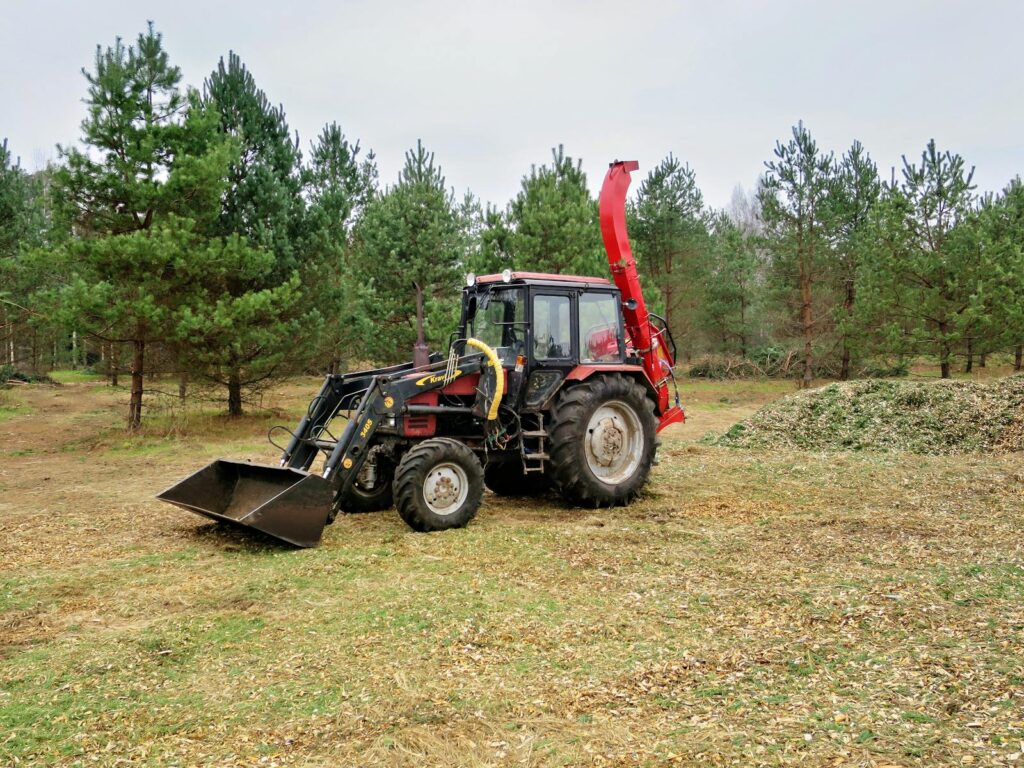
Embarking on a new build is an exciting venture, but before you get carried away with design plans and interior ideas, there’s a crucial stage that needs your attention: clearing the land. This isn’t just about bulldozers and chainsaws; it’s about navigating the legal landscape to ensure your project kicks off without a hitch. Let’s take a closer look at the legal steps you need to take before clearing land for your dream home or development.
Understanding Zoning Laws and Regulations
What Are Zoning Laws?
Zoning laws are local government regulations that dictate how land can be used in certain areas. These laws are designed to organize urban growth, manage land resources efficiently, and ensure community safety and aesthetics. For instance, a parcel of land might be zoned for residential use, commercial use, or a combination of both.
On top of base zoning, many jurisdictions layer on “overlay districts” for things like historic preservation, floodplains, wildfire zones, transit corridors, hillside development, or watershed protection. Overlays often come with extra rules that affect clearing: stricter tree protections, larger setbacks from creeks, or additional geotechnical requirements.
You’ll also want to understand site development standards baked into the zoning code:
- Setbacks from property lines and waterways
- height limits and slope restrictions
- Lot coverage and floor area ratios (FAR)
- Minimum open space and landscaping percentages
- Parking and driveway requirements that might dictate where you can clear
A quick conversation with planning staff can save weeks of back-and-forth later. Ask for a “pre-application” meeting if your city offers it. Bring a simple sketch showing where you plan to clear and build—planners can flag red lines like protected trees, riparian buffers, or steep slopes.
Checking Zoning Designations
Before you even think about clearing land, it’s essential to verify how it’s zoned. Contact your local zoning office or check online resources to find out the zoning designation of your property. If you discover that your intended use doesn’t align with the current zoning, you might need to apply for a zoning variance or a change, which can be a lengthy and sometimes costly process.
A few practical wrinkles I see often:
- Split-zoned parcels: One lot can carry two different zoning designations. Clearing or building across the line can trigger two sets of rules.
- Conditional or special use permits: Even if your use is generally allowed, clearing may not be until a conditional use is approved (common near environmentally sensitive areas).
- Nonconforming uses: If the existing use is grandfathered, clearing a site too aggressively can trigger loss of that status.
Variance and rezoning timelines vary wildly. Variances typically run 6–12 weeks from application to hearing. Rezonings can take 3–6 months or longer, and they usually require public hearings. Appeal periods after approvals are common (10–30 days), so avoid scheduling mobilization until the appeal window closes.
Tip: It’s wise to engage a local real estate attorney or a zoning consultant who can help you navigate these complexities. Their expertise will be invaluable in understanding the nuances of local zoning laws.
Overlay Districts and Slope/Grading Limits
If your site sits in a hillside or geologic hazard overlay, the code may cap disturbance on slopes over a certain grade (often 25–30%). You may be required to:
- Limit clearing to specific footprints
- Install stormwater controls before grading
- Submit a geotechnical report with slope stability analysis
On one Colorado hillside project we managed, slope restrictions meant we phased clearing over three mobilizations and left vegetated “islands” in place as erosion buffers until retaining walls were built. It felt fussy in the moment but avoided a stop-work order after a heavy rain.
Acquiring Necessary Permits
Key Permits to Consider
Clearing land typically requires several permits. Some of the most common include:
- Land Disturbance Permit: This is often required to ensure that the land clearing does not negatively impact the environment or neighboring properties.
- Building Permit: Even if you’re only in the land-clearing phase, some jurisdictions require a building permit before any site work begins.
- Environmental Permits: If your land clearing involves wetlands or is near protected areas, you may need special environmental permits.
Beyond those basics, here’s a fuller list I use on almost every project:
- Grading permit: Required when moving soil beyond a threshold (e.g., 50–500 cubic yards).
- Erosion and Sediment Control approval: Usually tied to a Stormwater Pollution Prevention Plan (SWPPP) and NPDES Construction General Permit for sites disturbing 1 acre or more (or smaller sites part of a larger plan).
- Tree removal permit: Triggered by diameter (often 6–12 inches DBH) or species. Heritage trees often require mitigation or replacement.
- Driveway/curb-cut permit: Issued by your city or county, or by the state DOT if accessing a state road.
- Septic and well permits: From the local health department; often required before clearing if it affects test areas.
- Floodplain development permit: If the site is in a FEMA Special Flood Hazard Area.
- Demolition permit: If removing a structure; asbestos survey and utility disconnects required.
- Burning permit: If you plan to burn slash; some areas ban open burning.
- Hauling/oversize load permits: For moving heavy equipment or material; may include a traffic control plan.
- Noise/working hours permit or waiver: Some cities require a special permit for early/late work or weekends.
- Timber harvest/forest practices permit: In rural or state-regulated areas, separate permits govern commercial timbering or large-scale tree removal.
Typical ranges I see:
- Grading/land disturbance permits: $200–$2,500+
- SWPPP prep: $1,500–$5,000; NPDES NOI fees: $0–$2,000 depending on state
- Tree permits: $50–$500 per tree; heritage tree mitigation fees can reach $100–$500 per inch of trunk diameter in some cities
- Driveway/DOT permits: $100–$1,500
- Septic permit and perc test: $500–$2,500
- Demolition permit: $100–$1,000 plus asbestos testing ($400–$1,200)
Real-World Example
Consider the case of a developer in Oregon who planned to clear a wooded area for new homes. Without the proper environmental permits, they faced hefty fines and a significant project delay when local authorities intervened. This example underscores the importance of obtaining all necessary permits ahead of time.
I’ve seen similar in Florida: a small builder cleared a half-acre lot without a gopher tortoise survey. A neighbor reported it, wildlife officers halted work, and relocation permits plus mitigation credits and surveys added roughly $12,000 and 7 weeks to the schedule. All avoidable.
Actionable Advice
Start the Permitting Process early. Permit approvals can take weeks or even months, and any delays can push back your entire project timeline.
A few moves that make life easier:
- Build a “permit matrix” listing each permit, issuing agency, submittal requirements, fees, expected review time, approvals needed before mobilization, and inspections.
- Submit permits in parallel where possible. For example, don’t wait for building permit approval to submit a driveway or tree permit if they’re independent.
- Use a permit expediter or “runner” for jurisdictions with lots of paper forms or in-person steps. The cost (often $75–$150/hour) is usually small compared with lost weeks.
Conducting Environmental Assessments
Importance of Environmental Assessments
An environmental assessment (EA) is a critical step in ensuring your project complies with environmental regulations and doesn’t harm the ecosystem. These assessments evaluate the potential impact of your project on local wildlife, water quality, and natural habitats.
If federal funds or approvals are involved (like a Corps of Engineers permit, or work in a federal floodway), a formal NEPA environmental review may be required. On private projects without federal ties, you’ll typically conduct targeted studies: wetlands delineation, threatened species surveys, cultural resource screening, and a Phase I Environmental Site Assessment if commercial lending is involved.
Steps to Conduct an EA
- Hire a Qualified Environmental Consultant: They will conduct a thorough analysis of your site and identify any environmental concerns.
- Review Findings: Based on the assessment, you might need to adjust your plans to mitigate environmental impact.
- Submit Required Documentation: In some cases, the findings of the EA need to be submitted to local or state authorities for approval.
Expanding on the specifics:
- Wetlands delineation: A wetland scientist identifies any jurisdictional wetlands or waters. If present, you’ll likely need U.S. Army Corps of Engineers Section 404 authorization and a state 401 water quality certification for impacts. Even small impacts can take 60–180 days to permit.
- Threatened and endangered species: Biologists may need seasonal surveys (e.g., bat roosting, nesting birds). Missing a survey window can push a project to the next season.
- Floodplains: If in a FEMA Zone A/AE/VE, local floodplain permits are required. Work in a floodway may need a no-rise certification by an engineer and is often heavily restricted.
- Brownfields/contamination: A Phase I ESA (commercial) runs $2,000–$4,000; if recognized environmental conditions (RECs) are found, a Phase II with soil and groundwater sampling may follow. Even for residential sites, watch for buried tanks, fill soils, or prior dumping.
- Erosion risk: On sloped sites or erodible soils, the engineer may prescribe staged clearing, temporary stabilization, and reinforced BMPs.
Did You Know? Some regions offer incentives for projects that go above and beyond in protecting local ecosystems. It’s worth exploring these opportunities as they can offset some of your costs.
Heads-up on penalties: Federal Clean Water Act administrative penalties can exceed $50,000 per day per violation. Most local actions are smaller, but even a simple silt fence failure that muddies a street drain can cost $1,000–$10,000 in fines plus cleanup.
Engaging with Local Authorities and the Community
Building Relationships with Local Authorities
Establishing a good rapport with local authorities can be incredibly beneficial. Not only do they oversee the permitting process, but their insights can also help you anticipate potential challenges. Attend town meetings, ask questions, and be transparent about your plans.
I recommend a 30-minute “concept check-in” with planning and engineering staff before submitting. Bring:
- A site aerial and property survey
- A clearing plan with tree preservation areas
- Drainage arrows showing pre- and post-clearing direction
- Preliminary erosion control measures
- Any known environmental constraints
Ask staff to flag hot spots that trigger extra reviews. This 30 minutes can shave weeks off revisions.
Community Engagement
Involving the community is more than just a courtesy; it can be a strategic move. Host informational sessions, address concerns, and incorporate community feedback where possible. This fosters goodwill and can help prevent future disputes.
Common neighbor worries:
- Tree loss and screening: Offer to preserve perimeter trees or add a planting buffer.
- Dust and noise: Explain work hours, water trucks, and how you’ll keep streets clean.
- Drainage: Show your erosion control plan and where water goes during and after clearing.
- Traffic and parking: Identify haul routes, staging areas, and flagging plans.
Case Study: A developer in North Carolina successfully navigated community pushback by holding multiple public forums. By addressing residents’ concerns about increased traffic and environmental impact, they gained community support and moved forward without delays.
A second example: On a California infill site, neighbors were anxious about a 60-foot heritage oak. We brought the city arborist to a site walk, revised the driveway geometry, added tree protection fencing, and committed to air-spade root pruning. We also set up a hotline for dust complaints and posted a weekly update board at the fence. Zero complaints after that.
Budgeting for Legal and Administrative Costs
Estimating Costs
Legal and administrative costs can add up quickly, so it’s crucial to budget for them early on. Some expenses to consider include:
- Attorney Fees: Legal advice and representation.
- Permit Fees: Vary widely depending on the jurisdiction and scope of the project.
- Consultant Fees: For zoning, environmental, and other specialized consultations.
To put numbers to it for a typical single-lot residential build:
- Zoning due diligence/consultant: $1,000–$3,500
- Survey (boundary + topography): $2,500–$7,500
- ALTA survey (if lender/title requires): $5,000–$12,000
- Geotechnical report: $2,500–$6,000
- Environmental (Phase I, if needed): $2,000–$4,000
- Wetlands/biologist studies (if applicable): $3,000–$10,000
- SWPPP/NPDES: $1,500–$5,000 + NOI fee
- Tree services (arborist report, permit fees): $500–$3,000
- Attorney: $250–$500/hour as needed; $2,000–$10,000 total on complex sites
- Permit and impact fees before clearing: $500–$5,000 (varies)
On multi-lot developments, scale those costs up accordingly. I carry a 5–10% soft-cost contingency for legal/compliance surprises during preconstruction.
Saving Money
While these costs are often unavoidable, there are ways to potentially save money:
- Bundling Services: Some consulting firms offer discounts if you use multiple services.
- Early Planning: As mentioned, start the process early to avoid rushed decisions that can result in costly mistakes.
Other budget savers I’ve used:
- Do a light “fatal flaw” screen before ordering full studies: GIS checks for wetlands, floodplains, and habitat layers can steer you away from problem areas for free.
- Stage studies: Start with boundary/topo survey and wetlands screening. Only proceed to detailed biology or cultural work if flags appear.
- Use an arborist early. Protecting a few large trees can reduce mitigation fees and buffer requirements.
Understanding and Mitigating Risks
Identifying Risks
Every construction project comes with its set of risks, from legal challenges to environmental concerns. Identifying these risks early allows you to develop strategies to mitigate them.
- Legal Risks: Non-compliance with regulations can lead to fines or project shutdowns.
- Environmental Risks: Unforeseen environmental issues can require costly changes to your plans.
Add to that:
- Title and access risks: Hidden easements or encroachments can limit where you can clear.
- Utilities: Unmarked private utilities or old septic lines can complicate grading.
- Weather: Clearing before rain season without stabilization invites enforcement.
- Community: Angry neighbors can delay inspections or appeal your approvals.
- Safety: Clearing near power lines or on steep slopes increases incident risk.
Mitigating Risks
- Insurance: Consider various insurance options to protect against potential liabilities.
- Professional Guidance: Hire experienced professionals who can foresee and address potential issues.
Further tactics:
- Environmental insurance: For sites with potential contamination, a pollution legal liability policy can cap downside.
- Stop-work protocols: Write a plan for what happens if you encounter an artifact, a bone, a nest, or a suspected wetland. Train the crew to stop and call the PM immediately.
- Contract Clarity: Your clearing contractor’s scope should include BMP installation, daily housekeeping, and costs for unforeseen debris removal (tires, concrete, stumps).
- Bonds and securities: Some cities require a grading bond or tree replacement bond. Budget these cash holds or surety costs.
Creating a Detailed Timeline
Importance of a Timeline
A detailed timeline keeps the project on track and helps manage expectations for everyone involved. It includes key milestones, such as:
- Permit Submissions and Approvals
- Environmental Assessments
- Community Engagement Sessions
- Land Clearing and Construction Start Dates
Here’s a realistic pre-clearing sequence I see on single-lot projects:
- Week 1–2: Zoning and overlay research; schedule pre-app meeting
- Week 2–4: Order boundary/topo survey; start wetlands habitat desktop review
- Week 3–6: Geotechnical borings (if needed); arborist site visit
- Week 4–8: Submit grading/land disturbance and tree permits; start SWPPP
- Week 6–10: Driveway/DOT permit; septic/well tests if applicable
- Week 8–12: Approvals/plan revisions; contractor bids for clearing
- Week 12–16: Permit issuance; pre-construction meeting; mobilize
Add 4–8 weeks where wetlands or species surveys are required. Variances and conditional uses can add 2–6 months.
Adjusting Your Timeline
Be prepared to adjust your timeline based on unforeseen circumstances, such as weather delays or additional permit requirements. Flexibility is key to managing a successful project.
Seasonal variables to watch:
- Nesting season restrictions for tree removal (often March–August for many birds)
- Rainy seasons requiring quicker stabilization or delayed grading
- Frost laws limiting heavy hauling on rural roads
- Fire season restrictions in wildfire-prone regions
Confirming Property Boundaries, Easements, and Access
Before any clearing, confirm where your land ends and where rights-of-way begin. A survey isn’t a nice-to-have; it’s essential.
- Boundary and topographic survey: Confirms property lines, encroachments, and terrain. Ask for iron pin set/reset where missing.
- Easement research: Title reports list utility, drainage, access, and conservation easements. Clearing within easements may be restricted or require utility consent.
- Right-of-way (ROW): Cities or counties often own a few feet beyond the pavement. Clearing in the ROW requires permits.
- Access: Landlocked parcels or shared driveways can require easement amendments or neighbor cooperation.
Case in point: A client planned to clear for a driveway only to learn a 20-foot sewer easement ran right where they wanted it. We shifted the drive 8 feet and added root barriers to preserve a street tree, avoiding a costly relocation and a utility fight.
Tree Laws and Vegetation Protection
Tree ordinances are one of the most common triggers for clearing headaches.
- Protected trees: Many cities regulate removal of trees over a certain diameter at breast height (DBH), heritage species, or street trees.
- Arborist report: Required for removal requests and to document tree health and risk.
- Protection during construction: Tree protection fencing at the dripline, no grading in critical root zones, and air-spade root pruning near utilities.
- Replacement and mitigation: If removal is granted, expect replacement trees (often 1–3 new trees per removed tree) or a payment into a tree fund.
Tip from the field: Post your tree permit on-site and color-tag trees slated for removal and preservation differently. This helps inspectors and neighbors and reduces “wrong tree” mistakes.
Utilities and 811 Locate
Two to three business days before any digging, call 811 to have public utilities marked. This is the law in all U.S. states, and penalties for violations can be severe.
- Public vs. private: 811 marks public lines to the meter; private lines (to sheds, pools, septic, propane) require a private locator.
- Potholing: Hand dig or vacuum excavate to confirm depth before mechanized excavation near markings.
- Clear communication: Hold a tailgate meeting with the crew to review markings and no-go zones.
Fines for damaging unmarked or ignored utilities can reach $10,000–$50,000 in some states, not to mention injury risk and schedule blowouts.
Stormwater, Erosion, and Sediment Control Compliance
Sediment leaving your site is one of the fastest ways to get shut down. Most jurisdictions require erosion control plans before clearing a shovel of dirt.
- SWPPP: A Stormwater Pollution Prevention Plan outlines BMPs (best management practices) and inspection schedules.
- BMP basics: Silt fence, construction entrance rock, inlet protection, check dams, wattles, slope stabilization, and stockpile covers.
- Inspections: Weekly during dry weather and after 0.5-inch rain events is common. Keep logs and photos; inspectors love organized records.
- Sequencing: Install perimeter controls first, clear only what you need, stabilize exposed soil within 7–14 days, and close up the site as quickly as possible.
On a New Jersey site, we saved thousands by placing a stabilized construction entrance early. It cut street sweeping to near zero and impressed the inspector—a little goodwill that paid off later when we needed a rapid inspection.
Working Near Water, Wetlands, and Floodplains
If your site touches water, the rulebook thickens.
- Wetlands and waters: Impacts require federal and state permits (Section 404 and 401). Avoidance and minimization are the watchwords; mitigation may be required.
- Buffers: Many states mandate 25–200-foot buffers around streams and wetlands where clearing is heavily restricted.
- Floodplains: A floodplain development permit is required for work in FEMA zones. In floodways, a “no-rise” certification by an engineer may be required to prove your work doesn’t increase flood levels.
- Elevation and fill: Building pads may need to be elevated above base flood elevation. Some jurisdictions prohibit net fill in floodplains.
Plan for longer review times, and avoid clearing riparian zones without explicit approval. It’s one of the most common sources of enforcement actions I see.
Health Department Approvals: Septic and Well
If your site isn’t on municipal utilities, the health department is a key player.
- Perc tests and septic permits: The site needs favorable soils and setbacks from wells, property lines, and water. Clearing can change Soil Conditions, so coordinate timing.
- Well permits: Often require specific distances from septic systems, property lines, and contaminants.
- Reserve areas: Many jurisdictions require a secondary septic area to remain undisturbed.
Pro tip: Protect your perc test area with fencing to prevent compaction during clearing. I’ve seen denied permits because a skid steer compacted the test area before inspection.
Cultural Resources and Historic Preservation
If federal funds or permits are part of your project, Section 106 of the National Historic Preservation Act may require a cultural resources review.
- Desktop review and field survey: An archaeologist screens for artifacts or eligibility for historic registers.
- Inadvertent discovery: Even without a formal review, most states require work to stop if you uncover artifacts or human remains. Have a written protocol and contact info on-site.
- Tribal consultation: In some regions, tribes are notified or consulted for work touching sensitive areas.
This sounds niche until it happens to you. We lost two weeks on a grading job when an old bottle dump turned up. Because we had a stop-work tree and an archaeologist on call, the delay stayed just two weeks.
HOA, Deed Restrictions, and CC&Rs
Private rules can be stricter than city code.
- Architectural Review Committee (ARC): Many HOAs require ARC approval before tree removal or clearing. Submit early; meetings may be monthly.
- Tree and view easements: Some neighborhoods protect view corridors or significant trees on private lots.
- Work hours and contractor rules: HOAs may limit hours, parking, and access. Violations can incur fines or liens.
Read the CC&Rs and design guidelines cover to cover. I’ve seen “no clear-cutting” clauses sink an otherwise compliant plan.
Contractor Licensing, Insurance, and Contracts
The wrong contractor can create legal problems before you pour footings.
- Licensing: Verify state and local licenses for clearing/grading contractors. Some states require specialty licenses for erosion control or tree work.
- Insurance: Require general liability, workers’ comp, and auto. For tree or crane work near lines, confirm coverage specifics.
- Bonds: If a city requires a grading bond, decide whether to post cash or use a surety bond.
- Scope and specs: Spell out BMP responsibilities, tree protection, stump removal, debris disposal, and off-site haul routes. Include unit prices for rock, extra silt fence, and unforeseen debris.
My template includes a “compliance line-item” so I can clearly measure what the contractor priced for SWPPP and inspections. Clarity up front prevents change orders for basics like a second silt fence line.
Safety, Access, and Site Logistics
Safety and logistics have legal hooks—violations can trigger stop-work orders.
- OSHA rules: Clearing near power lines requires specific clearances; chainsaw and felling operations need trained personnel and PPE.
- Traffic control: If you’re closing a lane or shoulder for haul trucks, you may need a traffic control plan and certified flaggers.
- Dust control: Water trucks, street sweeping, and soil binders as needed to comply with local air quality rules.
- Fire prevention: In wildfire areas, maintain spark arrestors and have extinguishers and water on-site. Burning slash typically requires permits—or is prohibited.
A clean, organized site reads “in control” to inspectors and neighbors. It buys you grace when something unexpected crops up.
Documentation Trail and Inspection Readiness
Paperwork is your friend when the inspector arrives.
- Permit binder on-site: Include all permits, plans, SWPPP, inspection logs, and contacts.
- Digital back-up: Store PDFs and photos in a shared drive with timestamps.
- Signage: Post permits and a contact number on the fence.
- Pre-con meeting: Invite the inspector to a quick on-site kickoff. Walk the BMPs and tree protection before clearing.
I document BMP installation with dated photos from the same vantage points every time. When a rainstorm hits, you have proof of pre-storm conditions—very persuasive if a complaint comes in.
Lender and Title Company Requirements
If you’re financing, your lender and title company have a say before dirt moves.
- Title review: Make sure title exceptions (easements, covenants) don’t block your plan. Ask for endorsements that cover access and encroachments if your ALTA survey supports it.
- ALTA survey: Lenders often require it to confirm boundaries, rights-of-way, and improvements before funding.
- Draw conditions: Construction lenders may require permits, contractor insurance, and a budget for erosion controls before releasing funds.
An overlooked title exception can block your driveway or force you to move a utility plan. Don’t skip the survey/title handshake.
Common Mistakes and How to Avoid Them
Here are repeat offenders I see on land clearing jobs:
- Clearing before final permit issuance: “We’ll just start on the back corner” often turns into a stop-work notice.
- Skipping 811: Hitting a gas line is a fast track to fines and danger.
- Ignoring tree protection: Damaged roots kill trees and trigger fines and mitigation.
- Underestimating the neighbor factor: A quick intro and posting a hotline can prevent anonymous complaints.
- Poor sequencing: Clearing everything at once rather than in phases increases erosion risk and compliance exposure.
- Not stabilizing quickly: Bare soil after rain equals muddy streets and angry inspectors.
- Vague contracts: If BMPs aren’t clearly assigned, nobody does them well.
Step-by-Step Pre-Clearing Checklist
Use this as a working list and tweak for your area:
- Zoning and overlays confirmed; pre-app meeting completed
- Boundary/topo survey in hand; easements reviewed
- Title exceptions checked; access rights verified
- Environmental screens: wetlands, floodplain, habitat layers
- Studies ordered as needed: wetlands delineation, biology, Phase I ESA, geotech
- Arborist report and tree inventory completed
- Health department approvals (perc/well) scheduled or complete
- SWPPP prepared; BMPs selected; NPDES NOI filed (if applicable)
- Land disturbance/grading, tree, driveway, and any environmental permits submitted and tracked
- HOA/ARC approvals obtained (if applicable)
- Utility disconnects (for demo) and 811 locate scheduled; private locate arranged
- Clearing contractor vetted; licensing/insurance verified; contract executed
- Traffic control plan and haul route approved (if needed)
- Site logistics plan: staging, entrances, fencing, signage
- Permit binder assembled; contacts and hotline posted
- Pre-con meeting with inspector completed; BMPs installed and documented
- Work hours and noise plan set; crew briefed on stop-work triggers
Building a Realistic Permit Matrix
I like to lay the permits out with these columns:
- Permit/Approval name
- Issuing agency and contact
- Submittal items (plans, reports, fees)
- Review time (official and real-world)
- Dependencies (what must be approved first)
- Inspection requirements and timing
- Expiration/renewal dates
- Status and next action owner
Update it weekly during preconstruction. When everyone can see the path, your odds of starting on time go way up.
Case Studies: Quick Hits
- Wetlands curveball in New Jersey: A client assumed a low spot was just a puddle. Delineation found a jurisdictional wetland. We shifted the house pad, added a small boardwalk over a swale, and kept all impacts under permit thresholds—saved months compared with a full permit.
- Endangered species in Texas: Mesquite scrub turned out to be habitat for a listed bird. We scheduled clearing outside nesting season and preserved an undisturbed buffer. Surveys plus timing cost ~$8,500 and 4 weeks—far better than a forced shutdown mid-summer.
- Floodplain nuance in the Midwest: The site was in Zone AE. Instead of heavy fill, we used piers and a raised, vented crawlspace to meet base flood elevation and reduce floodplain impacts, simplifying permitting.
Practical Numbers at a Glance
- Timeline: Simple sites can get to clearing in 8–12 weeks. Add 4–12 weeks for overlays, variances, wetlands, or HOAs. Big red flags can push it to 6 months.
- Costs: Pre-clearing soft costs on a single-lot home commonly land between $10,000 and $35,000 depending on studies and permits. On a small subdivision, 2–5% of total budget for entitlements and environmental is not unusual.
- Fines to avoid: Sediment control failures often cost $1,000–$10,000 locally. Federal water violations can exceed $50,000/day. Utility strikes: $5,000–$50,000 depending on state and damage.
Final Thoughts
Clearing land for a new build is a complex process, fraught with legal hurdles and potential pitfalls. By taking these legal steps seriously, you can pave the way for a smoother building process and ultimately create a successful and compliant development. Remember, the key is preparation, communication, and a willingness to adapt as challenges arise. With the right approach, you’ll be well on your way to turning that plot of land into a thriving space.

