Why Site Preparation Is the Most Overlooked Step in Home Building
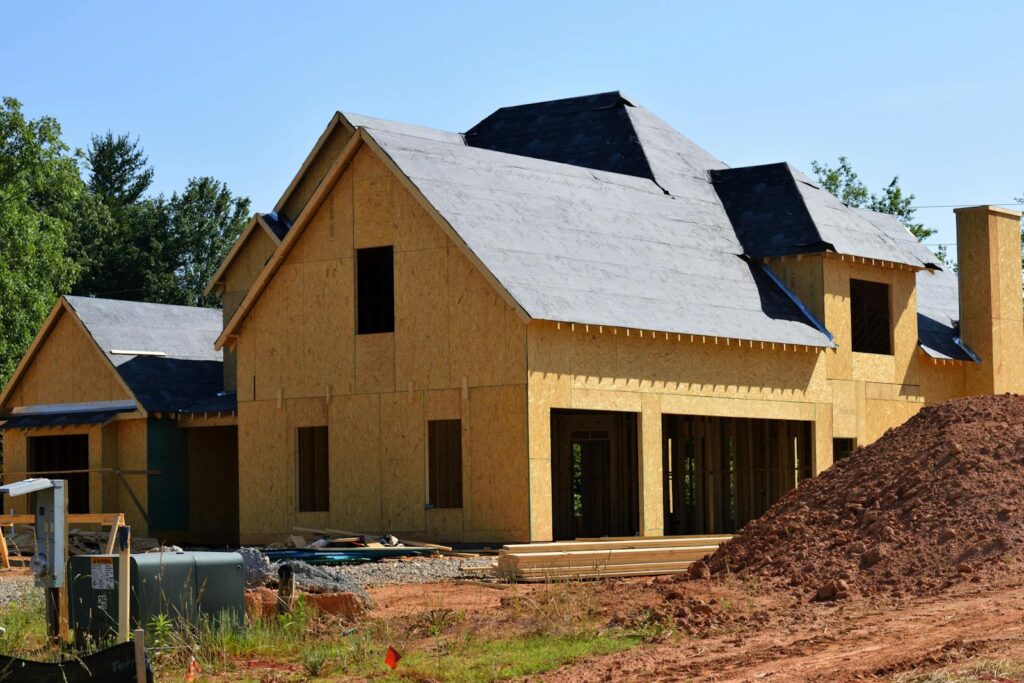
You can have a perfect floor plan, the right finishes, and a builder you trust—and still end up with delays, change orders, and quality problems if you gloss over site preparation. Long before framing crews raise walls, the ground under your future home is quietly deciding whether the project will glide or grind. Yet because it doesn’t feel glamorous and much of the work is literally buried, site prep is the step most owners and even some builders under-scope. The result is predictable: swollen budgets, wobbly schedules, and foundations battling water or soils they never accounted for.
Treat site prep as a project of its own and the payoff is enormous. You’ll shorten the build because inspections pass the first time, you’ll reduce risk because drainage and access work as designed, and you’ll avoid the expensive whack-a-mole of fixing problems that started below grade. This guide explains the real scope of site preparation, why it’s the highest-ROI stage of a build, and how to plan it so it protects your timeline, budget, and quality from day one.
What “Site Preparation” Actually Means
Site preparation is more than clearing brush and digging footings. It’s the coordinated set of surveys, soils studies, drainage plans, access logistics, utility routes, environmental protections, and grading moves that turn raw land into a stable, buildable platform. If a task sets the conditions that every later trade relies on, it belongs in site prep. That includes the boundary and topographic survey, geotechnical (soils) investigation, erosion and sediment control, construction entrance, staging and laydown planning, and the initial rough grading that decides how water will behave around your house for decades.
Because the work is foundational—literally—errors are compounded as the build advances. A missed setback line can trigger redesigns and permits. Poor subgrade compaction telegraphs as cracked flatwork and doors that won’t stay plumb. Misread drainage pushes water against foundation walls and turns basements into sump pump test labs. In contrast, a disciplined site prep phase lays invisible rails: trades arrive to a clean, accessible site; inspectors see order, not improvisation; and your schedule moves from “hope” to “plan.”
The Hidden ROI of Proper Site Prep
Great site preparation returns value in three ways: time saved, rework avoided, and risk removed. Time savings come from inspections that pass on the first attempt and from a site that doesn’t bog trucks, bury trenches, or demand emergency grading to catch a rainstorm. Rework avoidance is even bigger—compaction done right keeps slabs flat; well-designed drainage keeps crawl spaces dry; accurate layout prevents “oops” moments where framed walls don’t align with surveys.
Risk reduction is the quiet treasure. Soils data eliminates guessing on footing sizes and bearing capacity. Tree protection avoids fines and keeps root systems healthy so your landscaping doesn’t die two years after move-in. Clear utility paths and easement confirmations stop conflicts that can lock your job for weeks waiting on a utility company. When you add it up, the cost of good site prep is small compared with the hours and change orders it prevents.
Surveys, Soils, and Drainage: The Three Non-Negotiables
Boundary and Topographic Survey
The boundary survey is the legal truth of where your land begins and ends; the topographic survey maps elevation changes, existing features, and constraints like easements and utilities. Together they answer two questions any inspector or HOA will ask: “Are you building in the right place?” and “How will your building affect the site around it?” Skipping detail here forces downstream improvisation—rebar crews guessing at setbacks, graders pushing dirt twice, and designers redlining plans under time pressure.
A robust survey set includes benchmarks, spot elevations, and a clearly staked footprint before excavation. It should also identify trees to be saved or removed, the location of neighboring features that influence drainage, and any encroachments that will complicate approvals. When the superintendent can string-line corners to survey stakes and see real elevations, the chance of foundation rework drops to near zero.
Geotechnical (Soils) Investigation
Soils aren’t just “dirt.” They’re a variable structural material that can carry your house or slowly deform under it. A geotechnical report evaluates soil types, moisture content, bearing capacity, groundwater levels, and the presence of expansive clays, organics, or fill. With that data, the structural engineer sizes footings correctly, decides on over-excavation and recompaction if needed, and specifies drainage blankets or sub-slab vapor barriers that actually match field conditions.
Without the report, you’re guessing. Guess wrong and you get heaving slabs, settlement at porches, or endless hairline cracks you repaint every spring. Guess right by accident and you got lucky. The professional path is to test first, design second, and then hold the ground crews accountable to those specs with compaction tests and inspection sign-offs.
Drainage and Stormwater Management
Water always wins; good site prep simply tells it where to go. A drainage plan routes surface water away from the structure, protects slopes from erosion, and satisfies municipal stormwater rules that often require erosion control and sometimes on-site detention. Your goal is to create positive slope around the foundation, maintain clear swales, and ensure downspouts and sump outputs discharge where they won’t just recycle water against your walls.
Treat drainage as a system, not a sketch. That means tying downspouts to daylight or underground drain lines with cleanouts; protecting soils during construction so they don’t clog swales; and grading with attention to neighbors and easements so you aren’t exporting problems next door. When it rains during framing—and it will—your site should shed water predictably and be safe to work on the next morning.
Access, Logistics, and Staging: Making the Site Buildable
A build can’t run if trucks can’t reach it. Construction entrances—stabilized with stone over geotextile—keep mud off public roads and prevent ruts that trap concrete mixers. Staging plans place dumpsters, material stacks, and laydown areas where cranes can reach and crews can move without crossing hazards. On tight urban lots, this is choreography; on rural parcels, it’s still critical because long drives over soft soils will destroy subgrades that should be supporting your slab.
Think of logistics as daily schedule insurance. A well-placed job box, a clear path for deliveries, and a defined turnaround point prevent 20-minute delays that repeat a dozen times a week. Multiply small inefficiencies over months and you’ll understand why some jobs feel slow even when “nothing went wrong.” Good site prep builds efficiency into the map.
Permits, Approvals, and Environmental Rules
Permits are part of site prep because they define what you can disturb, when you can disturb it, and how you must repair it. Cities and counties routinely require erosion and sediment control plans before issuing permits. HOAs may demand tree protection, fence lines for construction zones, and specific driveway approaches. In sensitive areas—near wetlands, creeks, or coastal zones—expect environmental approvals and inspections that start at site prep and continue through landscaping.
Ignoring this layer is false economy. If an inspector sees silt washing into a storm drain or a damaged protected tree, they can stop work and levy fines. That’s not just money; it’s momentum. Schedule site prep with approvals in hand, install protections before the first scoop of dirt, and treat the rules as job-site reality, not paperwork theater.
Utilities and Underground Planning
Underground is where coordination either shines or collapses. You’ll trench for water, sewer or septic, power, gas, and low-voltage—and you need each to enter the building where the plans say they will. Misplaced stubs become expensive gymnastics when a foundation is already poured or a driveway is in. Proper site prep aligns utility routes with the survey, the foundation plan, and utility company requirements for depth and separations.
Plan long runs early. Rural lots might need a transformer pad or a longer service trench than expected. Urban lots can have congested rights-of-way that force imaginative but code-compliant routes. Marking these paths on the ground before excavation prevents damaging existing services and keeps trenches from crossing where future footings or trees belong. When utilities arrive on schedule and terminate exactly where trades need them, rough-in starts clean and inspections follow suit.
Grading, Clearing, and Tree Protection
Clearing is not “erase everything.” Smart clearing respects the trees you’ll keep, protects root zones with fencing outside the drip line, and sequences removals so you can stage equipment without damaging future landscape features. Heavy equipment compacts soil; without planning, you’ll suffocate the roots of trees you intended to save and create hardpan that sheds water toward the house.
Grading should be purposeful. Strip organics where structures and pavements will go, stockpile topsoil for later, and shape the site so water has an easy path to follow that doesn’t cross future patios or crawlspace vents. The best time to decide where your yard drains is before you pour concrete; after flatwork, you’re in the business of retrofits, not smart design.
Erosion and Sediment Control: Protecting the Neighborhood and Your Budget
Rain turns unprotected soil into mud that flows downhill—and into trouble. Silt fences, inlet protections, construction entrances, and check dams are simple measures that keep sediment on your site and out of storm systems and streams. Inspectors care because the environment cares, but you should care because erosion destroys the grade you just paid for and creates ruts that consume time and fuel to fix.
Plan this like any other scope: install controls before earthwork, maintain them during the job, and remove them only when the site is stable with permanent vegetation or hardscape. When you treat erosion control as a living system rather than a box to check, storms become brief maintenance events instead of crises that set your schedule back a week.
Costs, Bids, and Contract Language: Avoid the “Excluded” Trap
Many budget blowouts start with a proposal that reads “site prep by owner” or lists rock removal, dewatering, haul-off, import, and compaction testing as exclusions. That shifts risk to you and invites mid-build standoffs. The solution is to force clarity before you sign: attach the survey, soils report, and grading plan to the contract; require unit prices for rock per cubic yard, extra concrete per yard, trench per linear foot, import/export per truckload; and specify who pays for compaction and materials testing.
Demand an inclusions list that names erosion control, construction entrance, layout staking, rough grading, tree protection, and utility trenching. A transparent contract doesn’t eliminate surprises underground, but it eliminates arguments about who pays for them and keeps crews working while the paperwork catches up. That’s how you protect both the budget and the schedule without sacrificing fairness.
Scheduling: How Site Prep Dictates the Whole Calendar
Every phase after site prep inherits its momentum. If access is muddy, concrete trucks cancel and framing slides. If the foundation hole fills because the drain path was never cut, you pay for pumping and lose days waiting to dry. If the entrance can’t support cranes, truss sets move and the house stays exposed to weather. Conversely, a site that drains, a pad that’s compacted and square, and utilities that land on the right wall push the build forward like a tailwind.
Put real dates on site prep. Treat utility applications as schedule items. For hillside or wet sites, add generous buffers for weather and testing. Your baseline should show clear handoffs: survey set → erosion controls → clearing and rough grade → excavation and footings → utilities in trenches → walls or slab → backfill with verified compaction. When these handoffs happen on purpose, your critical path is protected and the “random” delays you hear about on other jobs don’t visit yours.
Common Mistakes and How to Avoid Them
The first mistake is treating site prep as a quick demolition job. Crews arrive, trees fall, dirt moves, and only later does someone wonder where the water will go. Replace that impulse with a one-page site prep plan that includes the survey, soils report highlights, erosion controls, access layout, staging areas, and utility routes. Walk it with the superintendent and excavator before mobilization and after the first week of work; adjust while changes are cheap.
The second mistake is under-investing in compaction and testing. You cannot eyeball subgrade densities or moisture content for slabs and footings. Require a third-party testing firm to document Proctor values and verify that lifts meet spec. The cost is small and the assurance is huge. The third mistake is thinking you can “fix drainage later.” Later is expensive. Shape the site now, pipe downspouts to proper discharge, and set slopes that keep water moving away from the house. Your future basement will never complain that you gave it dry feet.
Climate and Terrain Scenarios You Should Plan For
Urban Infill with Tight Access
Infill lots pack constraints: narrow streets, neighbors close by, utilities crisscrossing, and minimal staging. Site prep here means diplomacy and precision. Confirm property lines, fence protection zones, and coordinate with neighbors about access windows. You’ll likely need smaller equipment and more deliveries, so the construction entrance and laydown plan matter even more. Drainage often relies on tight swales and underground connections to legal discharge points; assume inspections will be frequent and plan paperwork accordingly.
Two choices make infill go smoothly: stage just-in-time to avoid clogging your site, and protect everything religiously because there’s no room for do-overs. Even small ruts or undermined sidewalks become expensive. A clean, safe, clearly fenced site earns inspectors’ trust and keeps the calendar alive in a dense neighborhood where delays cascade.
Hillside or Sloped Lots
Gravity is beautiful until it isn’t. On slopes, site prep is engineering plus choreography: cut and fill balanced to minimize haul, retaining walls with drain blankets and weep paths, and temporary erosion controls that anticipate stormwater. Equipment paths must avoid over-steepening slopes or undercutting neighboring properties. Soil nails, geogrid, or stepped foundations may enter the design; none of those belong to guesswork.
Plan sequencing around stability. Install drainage as you cut; don’t leave exposed slopes naked to the first storm. Think about crane pads and access for every heavy phase—foundations, framing, roofing—before you start. If you do, hillside builds can be as orderly as flat lots; if you don’t, they become field schools in geology the hard way.
Floodplain, Coastal, or High-Water Areas
Water rules here, so elevated foundations, breakaway walls, flood vents, and corrosion-resistant details are site prep, not afterthoughts. Your survey must show flood elevations; your drainage plan must assume water will visit and must give it a safe exit. Salt air and storm surge demand material choices—from rebar coatings to fasteners—that resist corrosion. Temporary protections during the build may include pumps, sandbags, and sacrificial access routes.
Schedule to avoid storm seasons when possible, and build redundancy into erosion controls and access. Inspections can be stringent and documentation heavy; the smoother you make the paper trail, the less your site sits waiting for signatures between phases that should be continuous.
Remote or Rural Parcels
Long drives and limited services shift risk from neighbors to nature. Utilities may be far, soils may vary across the parcel, and weather can swing from dust to mud quickly. Site prep means widening and stabilizing access, planning for well and septic with actual perc data, and staging fuel, parts, and protection because the nearest supplier might be an hour away.
Communications matter: a simple site sign with GPS coordinates, contact info, and access notes saves lost deliveries and wasted crew time. Plan for larger material drops with secure storage. When your site can support itself for a week without resupply, you keep work flowing regardless of distance.
The Quality and Safety Payoffs No One Sees on Instagram
A well-prepared site looks…boring. Fences are up. Silt stays put. Equipment moves without drama. But that quiet is a quality lever. Straight forms sit on compacted, level subgrades. Wall lines snap where surveys say they should. Trades arrive to safe, organized spaces and do their best work because nothing fights them. Safety improves because mud is contained, paths are clear, and hazards are obvious and managed.
Quality shows up later as doors that stay true, drywall that doesn’t crack at seasonal change, and a yard that drains during the first big storm like it did when the inspector stood there with a clipboard. Safety shows up in the best way possible: nothing happens. No rolled ankles in ruts, no trucks towed from soft shoulders, no frantic calls after a storm. That’s site prep paying you back in ways that don’t need a filter to be valuable.
An Owner’s Site Prep Playbook
Owners don’t run excavators, but they set tone and clarity. Start with the survey and soils report in hand before you finalize foundation drawings. Ask your builder to draft a one-page site logistics plan: entrance location, dumpster and material staging, crane pad, utility routes, and erosion controls. Review it together on site and adjust before mobilization. Decide early which trees stay and install protection fencing before any clearing begins so crews don’t “accidentally” clip root zones during staging.
During earthwork, visit at logical checkpoints: after clearing, after rough grading, after trenching but before backfill. Ask for compaction and moisture test results rather than assurances. When rain is forecast, confirm that temporary drainage paths and silt controls are ready. By showing care for the ground, you’ll find your builder does too—because you’ve made it part of how the job is judged.
Frequently Asked Questions About Site Preparation
Isn’t site prep just “dirt work”? Why spend money on reports and tests?
“Dirt work” decides whether the rest of your budget buys quality or repairs. A geotechnical report costs a fraction of what foundation modifications and settlement fixes cost. Compaction tests are cheap insurance compared with grinding and releveling slabs. Surveys prevent boundary and setback violations that can trigger redesign, permit delays, or even legal disputes. Spend a little on information and verification so the tens or hundreds of thousands you invest later sit on something worthy of them.
Skimping doesn’t always show up immediately. Many problems bloom after the first winter or rainy season: swollen doors, ponding at patios, sump pumps that never sleep. When you ask “why,” answers point back to assumptions made at site prep. Choose data over guesses now and most of those stories never start.
How long should site preparation take?
On a straightforward lot with cooperative weather, one to three weeks can cover mobilization, erosion controls, clearing, rough grade, access, excavation, utilities, and a ready pad. Complex sites—slopes, rock, high water, urban constraints—stretch that to several weeks or more. The variable isn’t speed for its own sake; it’s completeness. If inspections pass, the subgrade tests out, and the site drains after a storm, you’re done. Rushing the phase that all others stand on is how schedules get “mysteriously” longer later.
Treat site prep like the foundation of your schedule, not just your house. Investing the right number of days here has a way of giving those days back—with interest—by preventing rework you would otherwise not see coming.
Can’t we fix drainage with landscaping at the end?
Final grading and landscaping help, but they cannot overcome a poor initial shape around the home. If your finished floor elevation is too low, if slopes push water toward the foundation, or if downspouts lack paths to daylight, no amount of mulch is going to rewrite physics. Good site prep sets elevations and falls correctly; final grading refines them and dresses the site.
Think of drainage as a layered system: subgrade shape, foundation drains where needed, surface slopes, hardscape pitches, and roof water management. Start that system at site prep and you’ll find landscaping becomes the aesthetic finish it should be, not a desperate attempt to redirect water with a rake and a prayer.
The Bottom Line
Site preparation isn’t a line item to survive; it’s the operating system for your build. When you invest in surveys, soils data, drainage, access, and logistics up front—and you document compaction and protections the way you would photograph a finished kitchen—you buy a schedule that behaves and a house that performs. Most “construction surprises” are just site prep shortcuts coming due with interest.
If you remember one guiding idea, make it this: every easy day later was earned by a precise day earlier. Put precision into the ground—measure, test, grade, protect—and framing will feel fast, inspections will feel routine, and finishes will land on time. That’s why site preparation is not only the most overlooked step in home building; it’s the step that quietly determines whether the house you planned is the house you actually get.